



 USA
USA Canada
 UK
UK Italy
Italy Sweden
 Australia

Aligners for Minor Corrections: A Smarter Way to Refine Your Smile

Aligners minor corrections are designed to fix small alignment issues like slight crowding or gaps. They use clear trays to gently move teeth over a short period, making them a quick, discreet option for improving your smile without full orthodontic treatment.
Not every smile concern calls for full orthodontic treatment. Many people aren’t dealing with major misalignment, they just notice a slight overlap, a small gap, or a tooth that sits just a bit out of place in photos. These subtle issues can still affect confidence, but they don’t always require years of braces.
That’s where aligners' minor corrections come in. They’re designed specifically for small, targeted improvements, what dentists often call cosmetic alignment. The idea is simple: address visible imperfections efficiently, without over-treating.
What counts as a “minor correction”?
Minor corrections typically involve small positional adjustments rather than complex bite issues. Think of:
-
Slight crowding in the front teeth
-
Small gaps between teeth
-
Mild rotations
-
Uneven edges that disrupt symmetry
These are what many people refer to as small teeth fixes, they don’t interfere with function but can impact how your smile looks and feels.
Because these cases are less complex, aligners minor corrections can often be completed faster than traditional orthodontics. That’s why they’re becoming a popular choice for adults who want results without a long-term commitment.
Why aligners make sense for subtle changes
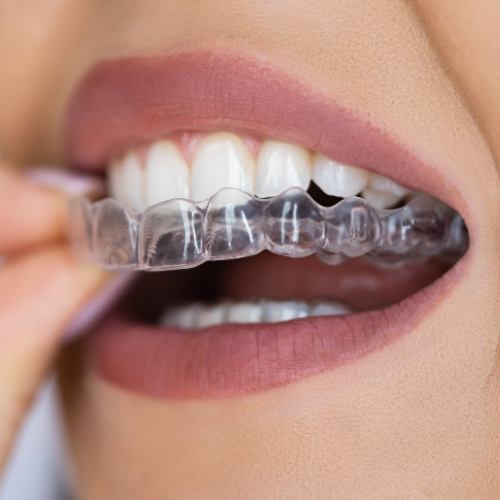
Clear aligners are particularly well-suited for quick orthodontic treatment. They apply controlled pressure in small stages, gently moving teeth into place. For minor cases, this process is streamlined.
Compared to conventional braces, aligners offer:
-
Discreet appearance (almost invisible in daily life)
-
Removability for eating and brushing
-
Predictable, staged progress
For someone looking for cosmetic alignment, this approach feels less intrusive and more manageable.
How long does it actually take?
One of the most common questions is timing. With aligners minor corrections, treatment can often be completed in a few months, depending on the case.
Because the movements are minimal, the trays are designed for efficiency. This makes it ideal for people preparing for an event, a career milestone, or simply wanting a confidence boost sooner rather than later.
Still, it’s important to remember that “quick” doesn’t mean rushed. Proper planning, like what you’d find through the Smileie Scan page, ensures your teeth move safely and predictably.
Cost and value considerations
Minor corrections usually come with a lower cost compared to comprehensive orthodontic treatment. That’s because fewer aligners and shorter timelines are involved.
When evaluating value, it helps to look at transparent pricing structures like those outlined on the Smileie pricing page. The focus isn’t just affordability, it’s about getting the right level of treatment for your needs without unnecessary extras.
Addressing common concerns
People often hesitate because they’re unsure if their case qualifies. A few common thoughts:
-
“My teeth aren’t that bad, do I even need treatment?”
-
“Will aligners actually work for small adjustments?”
-
“Is it worth it for such minor changes?”
In reality, small teeth fixes can make a noticeable difference. Even slight alignment improvements can enhance symmetry, improve oral hygiene access, and boost confidence.
Another concern is effectiveness. When used correctly, aligners minor corrections are highly effective for the cases they’re designed for. The key is proper assessment and planning.
How the process works
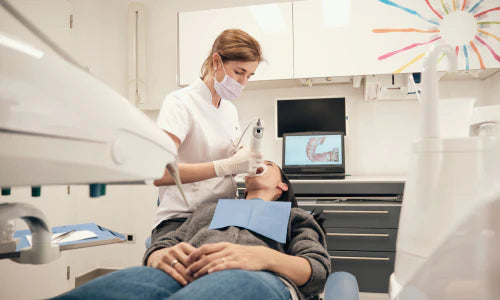
The journey is straightforward. After an initial evaluation, often through a digital scan, you receive a customized treatment plan. This step is explained clearly on the How It Works page.
From there:
-
You receive a series of aligners
-
Each set is worn for a specific period
-
Teeth gradually shift into the desired position
Because the focus is on quick orthodontic treatment, the process feels more manageable and less disruptive to daily life.
Why people choose Smileie for minor corrections
Trust matters, even for small treatments. Smileie focuses on making cosmetic alignment accessible, predictable, and transparent.
Through resources like the Why Smileie page, patients can understand the quality standards, treatment planning approach, and support system behind the process.
For many, the appeal lies in combining convenience with professional oversight, especially for aligners' minor corrections, where precision still matters.
Taking the next step
If you’ve been noticing small imperfections in your smile, it’s worth exploring your options. A simple assessment, like the one available on the Assessment page, can clarify whether you’re a good candidate.
Sometimes, the smallest changes make the biggest difference.
FAQs
1. Are aligners effective for minor corrections?
Yes, they are specifically designed for small adjustments like mild crowding or spacing, making them highly effective for these cases.
2. How long do aligners' minor corrections take?
Most treatments are completed within a few months, depending on how minor the adjustments are.
3. Do small teeth fixes really make a difference?
Absolutely. Even subtle changes can improve symmetry and boost confidence significantly.
4. Is quick orthodontic treatment safe?
Yes, as long as it’s properly planned and monitored. Shorter treatments don’t mean compromised safety.
5. Can aligners fix just one or two teeth?
Yes, aligners minor corrections can target specific teeth if the issue is isolated.
6. Are aligners comfortable to wear?
Most people find them comfortable since they’re smooth and custom-fitted, with no wires or brackets.
7. How do I know if I need cosmetic alignment?
If you notice small gaps, slight crowding, or uneven teeth, an assessment can help determine if aligners are suitable for you.

Latest Blog
-
 Sep 22, 2026
At-Home Impression Kit vs. In-Person 3D Scan: Which Should Encino Residents Choose?
Learn More -

-

-


