




 USA
USA Canada
 UK
UK Italy
Italy Sweden
 Australia

How to Read Your Clear Aligner Treatment Plan: Trays, Stages and Smile Preview

A clear aligner treatment plan is your step-by-step roadmap to a straighter smile. It shows how many trays you’ll wear, how your teeth will move in each stage, and a digital smile preview of the expected result. By understanding trays, stages, and timelines, you can follow progress confidently and know exactly what to do next, like when to switch aligners, how long treatment may take, and when refinements might be needed.
Starting aligners is exciting… until you open your plan and see terms like “stages,” “attachments,” and a long list of tray numbers. If you’re wearing clear aligners (or about to start), knowing how to read your plan helps you stay consistent, avoid delays, and feel confident that your progress is on track.
In this guide, you’ll learn how to understand a clear aligner treatment plan from start to finish, what trays mean, how stages work, and how to interpret your digital smile simulation. You’ll also know what to look for when you view your aligner 3D smile preview, how to track the number of aligner trays, and how an aligner stage breakdown creates a clear orthodontic treatment roadmap you can actually follow.
If you haven’t started yet, begin with the Smileie Scan page to capture accurate records, then complete your Assessment to see if you’re eligible. You can also review How it Works to understand the full process end-to-end.
What a clear aligner treatment plan actually includes
A clear aligner treatment plan is a digital blueprint created from your scan/photos and bite data. Think of it as your “before - during - after” guide. Most plans include:
-
Your current tooth position (baseline)
-
A step-by-step movement simulation
-
The number of aligner trays you’ll wear
-
An aligner stage breakdown showing phases of movement
-
IPR (interproximal reduction) notes, if needed
-
Attachments or elastics guidance (if required)
-
A final predicted result (your smile preview)
On Smileie, you’ll typically see this alongside your aligner 3D smile preview, so you can visualize the direction and pace of movement before you begin. If you want to understand value and options, it’s a good time to browse the Pricing page as well.
Trays explained: what those numbers really mean
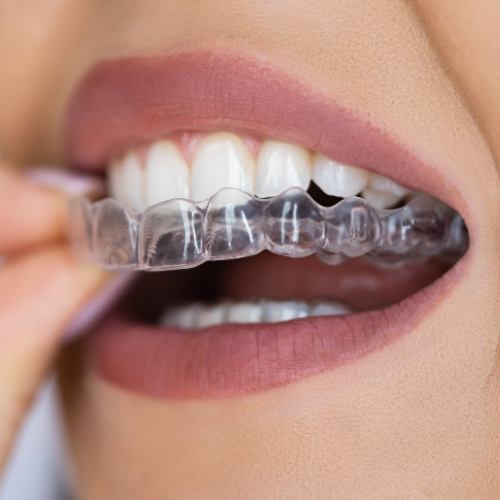
Your plan usually lists trays like “Tray 1–20” (or more). Each tray is a slightly different shape that nudges your teeth toward the next position.
How many trays is “normal”?
The number of aligner trays varies by complexity:
-
Mild crowding/spacing may need fewer trays
-
More rotation, bite correction, or multiple movements may need more
Instead of comparing your count to someone else’s, focus on what your clear aligner treatment plan is designed to do for your teeth specifically. Your tray count is simply the length of your roadmap, not a “good” or “bad” sign.
Tray change schedule
Most plans recommend switching aligners every 7–14 days depending on your case and fit. Your plan will specify the change interval. Follow it strictly, switching early can reduce tracking, and switching late can extend treatment.
Tip: If you’re new, read How it Works on Smileie and keep the Assessment page bookmarked so you can quickly re-check eligibility questions or next steps.
Understanding stages: the “why” behind the sequence
Stages are the big chapters of your plan. Trays are the pages inside each chapter.
An aligner stage breakdown groups tooth movements into logical phases. For example:
-
Stage 1: Create space, align front teeth
-
Stage 2: Rotate specific teeth, refine midline
-
Stage 3: Close gaps, finalize bite and symmetry
This is why your teeth might not “look perfect” halfway through. Your clear aligner treatment plan may prioritize certain movements first (like making space) before closing gaps or perfecting the front-to-front alignment later.
If you want extra confidence in the process, the Why Smileie page is a helpful place to learn about Smileie’s approach to planning, comfort, and support.
How to read your aligner 3D smile preview without overthinking it
Your aligner 3D smile preview is one of the most exciting parts, because it shows the predicted outcome. But it’s important to view it like a forecast, not a guarantee.
What the preview is great for
-
Understanding the direction of movement
-
Seeing changes in crowding/spacing
-
Getting a clear picture of your end goal
-
Motivating you to stay consistent
What the preview doesn’t show perfectly
-
Tiny real-world differences in biology and tracking
-
How attachments might subtly affect appearance during treatment
-
The possibility of refinements near the end
Your clear aligner treatment plan is still the source of truth, and the preview is a visual tool inside that plan. If you ever feel unsure, revisit your plan and compare progress by tray, not by day-to-day mirror checks.
Your orthodontic treatment roadmap: what to track week by week
A strong orthodontic treatment roadmap is simple: wear time, fit, and routine. To stay on track, check these weekly:
1) Fit (“tracking”)
Your aligners should seat fully with minimal gaps. If you notice lifting edges, it’s a sign to focus on wear time or chewie use.
2) Wear time consistency
Most plans require 20–22 hours/day. If you’re slipping, your trays may feel tight longer and tracking can slow.
3) Your stage milestones
Use your aligner stage breakdown to see what the current phase is trying to achieve. For example, if you’re in the “space-making” stage, it’s normal to see gaps before they close later.
4) End-of-plan expectations
Many people need refinements, additional trays to fine-tune results. That’s not failure; it’s common in aligner treatment and part of a complete clear aligner treatment plan.
For a smoother start, begin with the Smileie Scan, then confirm next steps on the Assessment page. If you’re comparing plan options, check Pricing before committing.
Quick checklist: reading your plan like a pro
-
Confirm total number of aligner trays
-
Note your tray change schedule
-
Review the aligner stage breakdown (what happens first vs later)
-
Watch your aligner 3D smile preview to understand the final goal
-
Track fit and wear time every week
-
Expect possible refinements as part of the orthodontic treatment roadmap
FAQs
-
How many aligner trays will I need?
The number of aligner trays depends on how complex your case is. Mild spacing or crowding usually needs fewer trays, while more detailed movements may require more. -
What is an aligner stage breakdown?
An aligner stage breakdown shows how your treatment is divided into phases, with each stage focusing on specific tooth movements until the final alignment is achieved. -
How accurate is an aligner 3D smile preview?
An aligner 3D smile preview is a digital simulation of your expected result. It is highly accurate for planning, though small variations can occur in real treatment. -
What if my aligners don’t fit tightly?
If aligners don’t fit properly, it often means they need more wear time. Wearing them as prescribed usually improves fit within a few days. -
Why do my teeth look worse before they look better?
This happens because many clear aligner treatment plans move teeth in steps, such as creating space first before closing gaps later. -
Can my number of aligner trays change during treatment?
Yes, some people may need refinement trays near the end of treatment to fine-tune their results. -
How do I stay on track with my clear aligner treatment plan?
Wearing your aligners for the recommended hours and switching trays on schedule helps keep your treatment progressing as planned.

Latest Blog
-
 Sep 22, 2026
At-Home Impression Kit vs. In-Person 3D Scan: Which Should Encino Residents Choose?
Learn More -

-

-


