




 USA
USA Canada
 UK
UK Italy
Italy Sweden
 Australia

Clear Aligners at Work: A Natural Smile Upgrade

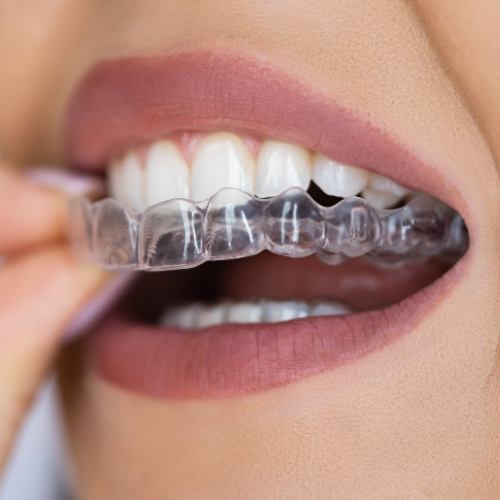
Clear aligners at work are usually easy to manage: you wear them during meetings, take them out to eat, and keep a small case and rinse routine handy. Most people adjust to speaking quickly, and the trays are subtle enough that coworkers often don’t notice unless you bring it up.
There’s a moment many working adults recognize: you catch your reflection in a meeting-room screen or a quick selfie before heading out, and you think, I’d love to fix a few things… but I don’t want it to become a “whole thing.” Not a big dramatic makeover. Just a natural upgrade, something that still feels like you, only more polished.
That’s exactly why clear aligners at work have become such a practical choice for professionals. They fit into real schedules, real deadlines, real conversations. You can keep showing up as yourself while quietly improving your smile in the background, no obvious brackets, no frequent in-clinic visits that disrupt your week, and no need to announce anything to your team unless you want to.
If you’re considering treatment, the biggest question is usually simple: Will this feel normal at the office? Let’s walk through what day-to-day life with aligners is actually like, including the small habits that make it easy.
The workday reality: what it’s like wearing aligners in a professional setting
Clear aligners are removable trays that gently guide teeth into a planned position over time. You wear them most of the day and night, taking them out to eat and drink anything other than water, then popping them back in.
For professionals, the appeal is straightforward: clear aligners at work are discreet and predictable. They’re designed to blend into your routine rather than take it over. The first few days tend to be the most “new.” After that, most people stop thinking about them until it’s time to eat.
A few everyday moments matter most:
1) Meetings, presentations, and speaking clearly
Most people adjust to speaking with aligners faster than they expect. You might notice a slight lisp for a day or two, usually on “s” or “sh” sounds, especially if you speak quickly or for long stretches. The fix is boring but effective: read out loud for 10–15 minutes in the evening. Your tongue adapts.
If you’re giving an important presentation and you’re in the very early phase, it’s okay to practice with aligners in so you feel fully confident. With time, invisible braces at work become something colleagues often don’t notice at all, unless you mention it.
2) Lunch, coffee, and client dinners
This is where the removable part is both the benefit and the habit challenge. With clear aligners at work, you’ll plan slightly differently:
-
Eat, rinse, brush if you can, and put them back in.
-
If brushing isn’t possible, a thorough rinse and aligning back in is still better than leaving trays out for hours. You can brush properly when you’re back at your desk or home.
Coffee is the classic sticking point. Hot drinks can warp trays, and darker beverages can stain them. Many professionals keep coffee as a “break time” drink, finish it, rinse, and move on. If you sip slowly over two hours, it gets harder to hit wear-time targets.
3) Hybrid schedules, travel, and long days
For professionals who bounce between office, site visits, and flights, consistency matters more than perfection. Keep a small kit in your laptop bag: travel toothbrush, mini toothpaste, floss picks, and a case. That case alone prevents so many “wrapped in a napkin and accidentally thrown away” stories.
With invisible braces at work, the best routine is the one you can repeat even on busy days. Aligners don’t need you to be “ideal.” They need you to be reasonably steady.
Why “invisible” matters in the workplace (and when it doesn’t)
Some people choose aligners because they genuinely want discretion, client-facing roles, leadership positions, interviews, or simply personal preference. Others choose them because they’re comfortable and removable, and the subtle look is just a bonus.
Either way, clear aligners at work offer a professional-friendly approach:
-
No metal brackets catching light in photos or meetings
-
No obvious “adult braces” look if that’s not your style
-
Easier oral hygiene than fixed appliances
That said, the best orthodontic option is the one that matches your case. Some tooth movements respond better to fixed appliances, particularly in more complex bite problems. A reputable provider will tell you when aligners are a great fit and when they’re not.
Clear aligners vs other options: what professionals should know
Without naming brands, here’s the practical comparison that matters for professionals:
Clear aligners
-
Discreet, removable, and typically easier to manage around meetings and meals
-
Require strong wear-time habits (the “removable” part is only helpful if they’re actually in)
-
Great for many mild-to-moderate alignment concerns, depending on case
Fixed braces
-
Not removable, so compliance isn’t the issue
-
Often recommended for more complex movements or bite correction
-
More visible, and hygiene takes more effort
If you’re weighing invisible braces at work, the decision often comes down to: Do I want something I can manage discreetly and consistently, or do I need something fixed because my case demands it? That’s where an assessment matters.
Common doubts at the decision stage (and honest answers)
“Will people notice?”
Most colleagues don’t. Even when someone does notice, it’s usually because you’ve taken them out at lunch or you mentioned it. Clear aligners at work tend to sit in the category of “subtle personal improvement”, like changing your hairstyle or upgrading your glasses.
“Will it hurt during work?”
Expect pressure more than pain, especially in the first 48 hours of a new set. Many patients prefer switching aligners at night so the most noticeable tightness happens while they sleep. By the time the workday starts, it’s usually manageable.
“What if I have to speak all day?”
Teachers, managers, salespeople, and public-facing professionals do fine. The key is practicing early on and staying hydrated. Dry mouth can make speech feel slightly “sticky” at first, and water helps.
“Is it awkward to take them out in public?”
It can feel that way for the first week. Then it becomes routine, step into the restroom, wash hands, remove, store. After a few days, it’s like contact lenses: personal, normal, and not something you need to perform publicly.
“What about big work events, conferences, weddings, client dinners?”
Plan ahead. If you know a dinner will be long, try to keep the rest of the day consistent. One evening won’t derail treatment, but repeated long gaps can. Professionals succeed with aligners by thinking in patterns, not perfection.
How to make aligners feel effortless in your work routine
You don’t need a complicated system, just a few smart defaults.
1) Keep a desk kit and a bag kit
Case, travel toothbrush, toothpaste, floss picks, and a small mouth rinse. Professionals who do this rarely get “stuck” leaving trays out longer than planned.
2) Switch aligners at night
A classic orthodontic tip. It reduces daytime distraction and helps you sleep through the tightest phase.
3) Build a “meeting-proof” habit
Before a long meeting block, check: trays in, water nearby, and you’re set. Clear aligners at work become easiest when they’re your default state.
4) Don’t negotiate with yourself at lunch
Take them out, eat, rinse, and put them back. The longer they stay out, the harder it is to regain momentum.
5) Protect your trays
Always use the case. Napkins, pockets, and open tables are the top ways trays disappear.
Where Smileie fits in for working adults
If you’re exploring clear aligners at work and want a process that respects your schedule, Smileie is built around simple, guided steps, without turning treatment into a full-time project.
-
If cost and overall value are part of your decision, it’s worth checking the Smileie pricing page to see what’s included and what the plan looks like.
-
If you’re wondering how you even start, the Smileie Scan page is a practical first step for an initial assessment pathway.
-
If trust and quality are your main filters (especially as professionals who want predictability), the Why Smileie page explains the standards and the “why” behind the approach.
-
If you want to understand the flow from start to finish, the How It Works page lays out what happens when, and what you’re responsible for day to day.
-
If you’re close to ready and just want the next step clearly, the Assessment page is the clean handoff point.
The best outcomes usually come from a good plan and steady wear. The brand matters, but the clarity of the process and the quality of guidance matter even more.
FAQs
1. Can I wear clear aligners during meetings and presentations?
Yes. Most people wear clear aligners at work all day, including during meetings and presentations. They’re designed to be subtle, and in most cases colleagues won’t notice them unless you point them out.
2. Do clear aligners affect speech at work?
Some people notice a slight change in speech for the first few days, especially if they speak a lot. This usually fades quickly as the mouth adapts. Reading out loud or practicing presentations with aligners in can speed up the adjustment.
3. How do I manage lunch with invisible braces at work?
You simply remove the aligners, eat, rinse your mouth, and put them back in. Brushing is ideal, but if it’s not possible right away, a good rinse and brushing later is still a workable routine for invisible braces at work.
4. Can I drink coffee or tea while wearing aligners?
Water is best. Hot drinks can warp aligners, and darker drinks may stain them. Many professionals finish their coffee during a break, rinse, and then put the aligners back in.
5. What if I forget my aligner case at the office?
It happens, but it’s best to avoid it. Without a case, aligners are easy to lose or damage. Keeping a spare case in your work bag is a simple way to stay prepared.
6. Are clear aligners suitable for professionals who travel often?
Yes, they can work very well for professionals with busy or flexible schedules. As long as you carry a small cleaning kit and stay consistent with wear time, travel usually doesn’t disrupt treatment.
7. How do I know if clear aligners are right for me?
That depends on your teeth, bite, and goals. An assessment is the best way to know for sure. Smileie offers a guided assessment process to help determine whether aligners are a good fit for your situation.

Latest Blog
-
 Sep 22, 2026
At-Home Impression Kit vs. In-Person 3D Scan: Which Should Encino Residents Choose?
Learn More -

-

-


