




 USA
USA Canada
 UK
UK Italy
Italy Sweden
 Australia

Are You a Good Candidate for Clear Aligners? Find Out in Minutes

You've probably caught yourself doing it more than once.
Looking at your smile in the mirror. Zooming in on photos. Wondering if it's finally time to straighten your teeth, but stopping short because you're not sure if clear aligners would even work for you.
That's where most people get stuck.
Not because they don't want a straighter smile, but because they don't want to spend money or commit to treatment only to discover they weren't the right candidate in the first place.
The good news? You don't need to guess.
In many cases, you can get a realistic idea of whether you're a good fit for clear aligners before committing to treatment. Understanding what makes someone an ideal candidate can help you make a confident, informed decision.
Are You a Good Candidate for Clear Aligners?
If you're wondering whether you're a clear aligners candidate, the answer depends on your teeth, bite, and treatment goals rather than your age. Adults with mild to moderate alignment concerns are often suitable, while more complex orthodontic problems may require in-person treatment. The best way to know is through a professional assessment of your smile.
What Makes Someone a Good Clear Aligners Candidate?
One of the biggest misconceptions is that clear aligners only work for people with "perfectly easy" teeth.
In reality, they can successfully treat many common orthodontic concerns.
You may have good aligner eligibility if you have:
-
Mild to moderate crowding
-
Small gaps between teeth
-
Slightly crooked teeth
-
Minor bite issues
-
Teeth that have shifted after previous braces
A common concern we hear is, "My teeth aren't that bad, but they're not straight either."
Ironically, that's often the type of case where clear aligners perform very well.
Treatment planning has become increasingly precise, allowing many adults to improve their smiles without traditional braces. That said, every smile is different, which is why an individual assessment matters more than comparing yourself to someone else's results.
When Clear Aligners May Not Be the Best Option
It's equally important to know when another treatment could be a better fit.
Clear aligners aren't designed to solve every orthodontic problem.
Depending on your situation, your provider may recommend another approach if you have:
-
Severe crowding
-
Significant bite problems
-
Teeth that require major movement
-
Certain jaw alignment concerns
-
Active gum disease or untreated dental problems
This isn't necessarily bad news.
Sometimes addressing dental health first, or choosing a different orthodontic solution, leads to a better long-term outcome.
One mistake people often regret is trying to force the wrong treatment simply because it seems more convenient. The right treatment is the one that safely achieves the result you're after.
Age Isn't Usually the Deciding Factor
Many adults assume they missed their chance.
The reality is that orthodontic treatment isn't just for teenagers.
Some people begin treatment in their twenties after college. Others wait until their thirties or forties because they're finally ready to invest in themselves. We've even seen adults who had braces years ago decide to correct teeth that gradually shifted over time.
What matters isn't your age.
It's whether your teeth and gums are healthy enough for orthodontic movement and whether your treatment goals match what clear aligners can realistically achieve.
"Am I Good for Aligners?" Ask Yourself These Questions
If you've been searching "am I good for aligners", these questions can help you think through your situation before getting assessed.
Do you have relatively healthy teeth and gums?
Are your alignment concerns mild or moderate rather than severe?
Can you commit to wearing aligners for around 20–22 hours each day?
Are you comfortable removing them before eating and putting them back afterward?
Do you want a discreet way to straighten your teeth without brackets and wires?
If you answered "yes" to most of these, you're already pointing in the right direction.
The final answer, though, should always come from a professional evaluation rather than self-diagnosis.
Commitment Matters More Than Many People Expect
People often focus entirely on whether they're eligible.
They spend much less time thinking about whether they'll actually stick with treatment.
That's understandable, but consistency is one of the biggest predictors of success.
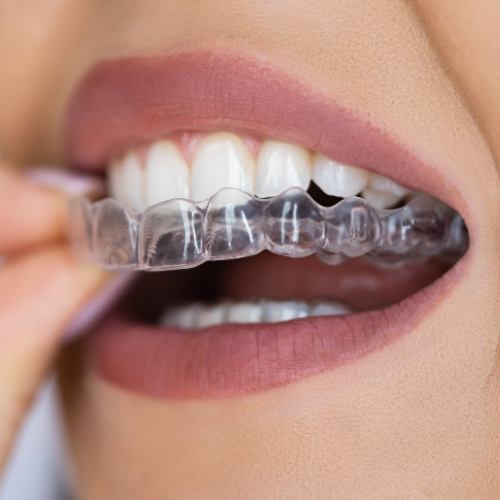
Unlike fixed braces, teeth aligners are removable.
That flexibility is one of their greatest advantages, but it also comes with responsibility. Wearing aligners for the recommended amount of time each day helps your teeth move according to the treatment plan.
Most people adjust surprisingly quickly.
After the first week or two, removing aligners before meals and cleaning them becomes part of a normal routine.
Cost Concerns? Eligibility Comes Before Pricing
Another hesitation people have is financial. They don't want to explore treatment if it's going to be outside their budget anyway. That's perfectly reasonable.
Before comparing prices, it's worth confirming whether you're actually a suitable candidate. Once you know treatment is appropriate for your smile, you can better evaluate different payment options and overall value. If affordability is one of your biggest questions, Smileie's Pricing page can help you understand what treatment may cost before making a decision.
How Do You Actually Find Out?
This is the part many people overcomplicate. You don't need to book months of appointments just to get started.
Today, many providers begin with an online smile assessment, where you answer a few questions and submit photos of your teeth. A dental professional reviews your case and determines whether clear aligners are likely to work for you.
Smileie offers a simple Smile Assessment that helps you understand your options before moving forward, making it easier to explore treatment without unnecessary commitment.
If you're a suitable candidate, you'll receive guidance on the next steps. If you're not, you'll know before investing time and money into treatment that isn't right for you.
That's valuable information either way.
The Best Decision Starts With the Right Information
The people who feel happiest with their treatment usually have one thing in common.
They didn't rush.
They asked questions, understood what treatment could realistically achieve, and confirmed they were suitable before getting started.
If you've been wondering about your invisible braces suitability, you don't need to keep guessing or comparing your smile to photos online. A professional assessment gives you a personalised answer based on your own teeth, not someone else's.
Knowing where you stand is often the hardest part. Once you have that clarity, deciding what comes next becomes much easier.
Frequently Asked Questions
How do I know if I'm a good candidate for clear aligners?
Most adults with mild to moderate spacing, crowding, or alignment concerns may be suitable candidates. The only reliable way to know is through a professional assessment of your teeth and bite.
Can severe crooked teeth be treated with clear aligners?
Some complex cases can be treated with aligners, but severe crowding or significant bite issues may require alternative orthodontic treatment. Your provider will recommend the safest option.
Is there an age limit for clear aligners?
No. Healthy adults of many ages can be eligible for clear aligners, provided their teeth and gums are suitable for orthodontic treatment.
Do I need healthy teeth before starting aligners?
Yes. Cavities, gum disease, or other untreated dental issues should usually be addressed before beginning treatment to help achieve the best results.
How long does it take to find out if I'm eligible?
Many providers can review your initial assessment within a few days after receiving your information and photos, although timelines vary.
Are clear aligners worth it for mild crooked teeth?
For many adults, they can be an effective option because they focus on correcting the concerns that are most noticeable while remaining discreet and removable.
What's the first step before starting clear aligners?
The best first step is completing a smile assessment so a dental professional can evaluate your teeth and determine whether you're a suitable candidate.

Latest Blog
-
 Sep 22, 2026
At-Home Impression Kit vs. In-Person 3D Scan: Which Should Encino Residents Choose?
Learn More -

-

-


