




 USA
USA Canada
 UK
UK Italy
Italy Sweden
 Australia

Clear Aligners Cleaning Routine: Keep Them Fresh and Clear Daily

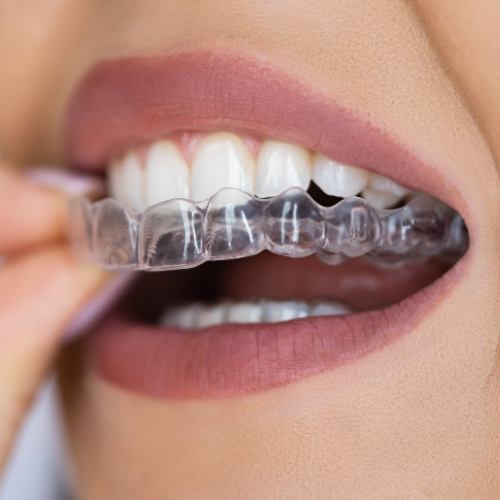
A clear aligner cleaning routine involves rinsing trays after removal, gently brushing them with a soft toothbrush and mild soap, and soaking them daily in an aligner cleaner. This prevents plaque buildup, keeps aligners transparent, and avoids odor.
Clear aligners are designed to be nearly invisible, but they stay that way only if they’re cared for properly. Many patients assume that simply rinsing them with water is enough. In reality, a consistent aligner cleaning routine plays a major role in keeping trays clear, odor-free, and hygienic throughout treatment.
The trays sit over your teeth for 20–22 hours a day. That means they’re constantly exposed to saliva, plaque, and bacteria. Without proper care, that buildup can make even brand-new trays look cloudy or smell unpleasant.
Understanding how to clean clear aligners properly each day helps preserve both the appearance of the trays and the health of the teeth underneath.
Why aligners lose their clarity
Clear aligners are made from medical-grade thermoplastic. While the material is durable, it can easily collect microscopic plaque films. These films aren’t always visible at first, but they accumulate quickly.
Think of it like a glass left on the counter overnight. Even if it looks clean, a thin residue forms on the surface. Aligners experience the same process inside the mouth.
When people don’t clean clear aligners regularly, three things typically happen:
-
Plaque and saliva minerals create a cloudy film
-
Bacteria produce mild odor inside the trays
-
Food pigments stain the plastic
A daily aligner cleaning routine prevents this buildup before it becomes noticeable.
The simple daily routine orthodontists recommend
A practical routine doesn’t need to be complicated. Most orthodontic professionals suggest cleaning trays twice daily, once in the morning and once before bed.
First, rinse the aligners with lukewarm water when removing them. This washes away saliva and prevents residue from drying onto the plastic.
Next, gently brush the trays using a soft toothbrush and clear, non-abrasive soap. Toothpaste may seem logical, but many formulas contain micro-abrasives that scratch the plastic surface. Those tiny scratches can make aligners look cloudy even when they’re clean.
Patients who consistently clean clear aligners this way often notice their trays remain transparent throughout the full wear cycle.
A brief soak in an aligner cleaning solution once a day can also help maintain fresh aligners, particularly for people who wear them for long hours.
What actually causes odor in aligners
Many patients worry when trays develop a slight smell. In most cases, the cause isn’t the plastic itself.
Odor typically comes from bacteria trapped between the teeth and the aligner surface. If plaque remains on the teeth, the aligner simply seals it in place.
That’s why brushing and flossing before reinserting trays matters just as much as cleaning the trays themselves.
When patients maintain both oral hygiene and an aligner cleaning routine, they rarely experience odor problems and consistently keep fresh aligners.
Habits that quietly stain aligners
Another common question patients ask is why trays turn yellow even when they brush them.
The answer is usually daily habits.
Coffee, tea, turmeric, and colored beverages easily stain clear plastic. Drinking them while wearing trays allows pigments to settle directly into the material.
Removing aligners before eating or drinking anything besides water is one of the easiest ways to keep fresh aligners and avoid discoloration.
It’s also important to avoid hot water when cleaning trays. Heat can slightly warp the plastic, which affects how the aligner fits.
The bigger picture of aligner care
Keeping trays clean may seem like a small detail, but it plays an important role in the overall success of treatment.
Clean trays fit better, stay transparent, and feel more comfortable to wear. Patients who consistently clean clear aligners also tend to be more consistent with wearing them the recommended number of hours each day.
For people starting treatment, Smileie’s How It Works page explains how aligner therapy gradually moves teeth through a series of custom trays. Many patients begin by using the Smileie Scan to capture an initial dental impression at home before receiving their aligners.
Once treatment begins, maintaining fresh aligners becomes part of the daily routine, just like brushing and flossing.
FAQs
1. Why do clear aligners turn cloudy even if I rinse them?
Cloudiness usually comes from microscopic plaque and mineral deposits. Water alone doesn’t remove this film, which is why orthodontists recommend gently brushing trays to properly clean clear aligners.
2. Can toothpaste damage clear aligners?
Many toothpastes contain mild abrasives designed to polish enamel. On aligners, those particles can scratch the plastic and make the trays appear dull.
3. How often should I clean clear aligners each day?
Most orthodontists recommend cleaning trays twice daily, morning and night, along with rinsing them whenever they’re removed.
4. Can I soak aligners overnight?
Yes, short daily soaks in aligner cleaning tablets or mild solutions can help maintain fresh aligners, but they should still be brushed lightly afterward.
5. Why do my aligners smell even after rinsing?
Odor usually comes from bacteria on the teeth rather than the trays themselves. Brushing and flossing before reinserting trays helps prevent this.
6. Is it okay to drink coffee while wearing aligners?
It’s best to remove them first. Coffee pigments can stain the plastic, which makes it harder to keep fresh aligners.
7. Does cleaning aligners affect how they work?
Indirectly, yes. When patients consistently clean clear aligners, the trays stay clear and comfortable, making it easier to wear them for the recommended hours each day.

Latest Blog
-
 Sep 22, 2026
At-Home Impression Kit vs. In-Person 3D Scan: Which Should Encino Residents Choose?
Learn More -

-

-


