



 USA
USA Canada
 UK
UK Italy
Italy Sweden
 Australia

Clear Aligners Price Factors: What Changes the Total Cost

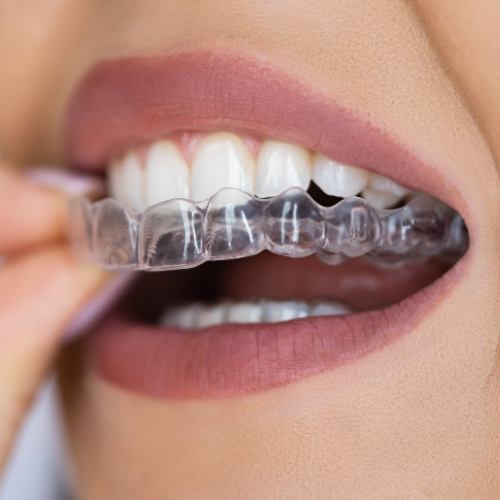
The clear aligners cost depends on several factors including treatment complexity, treatment duration, technology used for planning, dentist supervision, and post-treatment retainers. Mild cases are typically less expensive, while complex bite corrections require more aligners and monitoring, which increases the overall price.
But orthodontic treatment rarely works like that. Two people can both want straighter teeth and still receive very different quotes. The difference isn’t random. It usually comes down to several specific aligner cost factors that influence the final price.
Understanding these factors helps patients make smarter decisions. Instead of focusing only on the number they see first, they can evaluate what they’re actually paying for, treatment design, technology, monitoring, and long-term results.
Before committing to treatment, it’s worth knowing what really shapes the clear aligners' cost and why prices can vary so much between providers.
Why Clear Aligner Pricing Isn’t One Fixed Number
Orthodontic treatment is customized for every patient. No two smiles move exactly the same way, and that’s why the invisible braces price can vary even when the treatment method looks identical.
Some people need only minor alignment adjustments. Others may require multiple stages of movement to correct spacing, crowding, or bite issues. Each stage adds planning time, manufacturing steps, and monitoring.
The clear aligners cost ultimately reflects the amount of work needed to safely guide the teeth into their new positions.
Treatment Complexity: The Biggest Cost Driver
If there is one factor that influences pricing more than any other, it’s the complexity of the case.
Minor alignment issues, slightly crooked front teeth, mild spacing, or small rotations, usually require fewer aligners and shorter treatment plans. These cases tend to sit on the lower end of the invisible braces price spectrum.
More complex orthodontic situations change the equation.
Examples include:
-
Significant crowding
-
Bite misalignment
-
Rotated teeth that require gradual movement
-
Teeth that need vertical repositioning
These situations require more aligners and more detailed planning, which naturally increases the clear aligners cost.
Treatment Length and Number of Aligners
Each aligner in a series performs a small movement. Over time, those movements add up to create the final result.
Shorter treatments may require around 10–20 aligners. More advanced cases can involve 30 or more. Every additional aligner means more manufacturing and more detailed treatment planning.
This is one of the most practical aligner cost factors patients should understand: the longer the treatment timeline, the higher the total investment is likely to be.
Technology Behind the Treatment Plan
Modern clear aligner therapy depends heavily on digital planning.
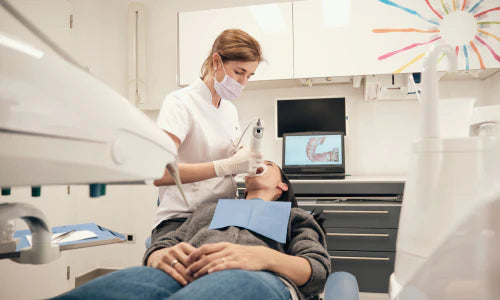
Before treatment begins, a digital model of the patient’s teeth is created and used to simulate every stage of movement. This process determines how each aligner will guide the teeth step by step.
The sophistication of that planning system influences the clear aligners cost. Higher-quality treatment planning software allows orthodontists to design more precise movement sequences and predict outcomes more accurately.
At Smileie, patients typically begin the process through the Smileie Scan page, where a digital impression or at-home scan helps create the personalized treatment plan.
Dentist or Orthodontist Supervision
Another major contributor to the invisible braces price is professional supervision.
Clear aligners may look simple, but tooth movement is a biological process. Teeth must move gradually to protect the surrounding bone and gum tissue. Monitoring ensures the treatment stays safe and effective.
Depending on the provider, supervision may include:
-
Initial orthodontic evaluation
-
Treatment plan approval
-
Progress monitoring
-
Adjustments if teeth move differently than expected
These professional steps are essential parts of responsible aligner treatment and represent another key aligner cost factor.
Materials and Manufacturing Quality
Not all aligners are manufactured the same way. Material thickness, flexibility, and durability affect both comfort and effectiveness. Higher-quality aligner materials tend to deliver more controlled movement and better durability during wear. Manufacturing precision also matters. Even small inconsistencies can affect how an aligner fits or moves teeth. Because of this, production quality contributes directly to the clear aligners cost.
Retainers After Treatment
Once teeth reach their final position, retainers help maintain the result. Without retention, teeth naturally attempt to shift back over time. Retainers are designed to prevent this relapse and preserve the alignment achieved during treatment.
Retainers are often included in the invisible braces price, but sometimes they are priced separately. Either way, they are an important part of the full orthodontic investment.
Monitoring and Support During Treatment
Many aligner systems include ongoing monitoring throughout the treatment period.
This may involve:
-
Progress check-ins
-
Digital photo reviews
-
Treatment adjustments when needed
-
Customer support and guidance
These services improve treatment success rates and form another one of the important aligner cost factors patients may not immediately notice when comparing prices.
Payment Options and Financing
One reason people hesitate when they see the clear aligners cost is the assumption that it must be paid all at once. In reality, many providers offer monthly payment plans that spread the invisible braces price across manageable installments. Flexible payment structures often make treatment far more accessible than patients initially expect.
How Smileie Approaches Cost Transparency
For patients researching orthodontic treatment, transparency matters.
Smileie explains treatment steps and pricing clearly through several resources. The Smileie pricing page outlines cost options so patients can understand the investment before starting.
Patients can also review the Why Smileie page to learn about treatment standards and the philosophy behind the approach.
For those curious about the treatment journey itself, the How It Works page walks through each stage, from initial scan to aligner delivery and progress monitoring.
When someone is ready to take the next step, the Assessment page helps determine whether clear aligners are the right option for their specific situation.
Cost Should Reflect Value, Not Just Price
Choosing orthodontic treatment based only on the lowest number can lead to disappointment later. A lower price may mean fewer aligners, limited monitoring, or less detailed treatment planning. On the other hand, a well-designed treatment plan considers long-term stability and safety.
When patients evaluate clear aligners cost, it helps to look at the full picture: planning, supervision, materials, and post-treatment retention. That combination ultimately determines the quality of the final result.
FAQs
1. Are clear aligners cheaper than braces?
In many cases, yes. Clear aligners can be more affordable than traditional braces, especially for mild to moderate alignment issues. However, the final cost depends on treatment complexity, monitoring requirements, and the number of aligners needed.
2. What is the average clear aligners cost?
The average clear aligners cost varies depending on the treatment plan, but it generally falls within a moderate orthodontic price range. Simpler cases usually cost less, while more complex corrections requiring longer treatment increase the overall price.
3. Why does invisible braces price vary so much?
The invisible braces price can vary because every smile is different. Factors such as the complexity of tooth movement, treatment length, number of aligners, and professional supervision all influence the final cost.
4. Are clear aligners worth the cost?
For many patients, clear aligners are worth the investment. They offer a discreet appearance, removable convenience for eating and cleaning, and digitally planned treatment designed to move teeth gradually and safely.
5. What are the biggest aligner cost factors?
Some of the most important aligner cost factors include treatment complexity, the total number of aligners required, the technology used to design the treatment plan, professional monitoring, and retainers after treatment.
6. Do clear aligners cost more for longer treatments?
Yes. Longer treatments typically require more aligners and additional monitoring, which increases the overall clear aligners cost compared to shorter treatments designed for minor corrections.
7. How can I know if aligners will work for me?
The best way to find out is through a smile assessment. A provider evaluates your teeth digitally to determine whether clear aligners are suitable for your case and how complex the treatment may be.

Latest Blog
-
 Sep 22, 2026
At-Home Impression Kit vs. In-Person 3D Scan: Which Should Encino Residents Choose?
Learn More -

-

-


