



 USA
USA Canada
 UK
UK Italy
Italy Sweden
 Australia

Do Clear Aligners Work for Crowded Teeth and Rotated Teeth? Dentist-Backed Guide

Yes, clear aligners can treat many cases of mild to moderate crowding and rotated teeth by gradually moving teeth into better alignment with custom-made trays. Results depend on crowding severity, available space, tooth rotation angle, gum/bone health, and consistent wear (typically 20–22 hours/day). Complex rotations, severe crowding, or bite issues may require attachments, IPR (safe enamel reshaping), or in-person orthodontic care for best outcomes.
If you’ve ever looked in the mirror and wished your teeth weren’t overlapping, twisting, or squeezing into each other, you’re not alone. Crowding and rotations are two of the most common alignment concerns, and also two of the most asked-about when people consider at-home orthodontic options. The good news: clear aligners for crowded teeth can be highly effective when the case is right and the plan is clinically guided.
In this dentist-backed guide, we’ll break down how aligners move crowded and rotated teeth, what “realistic results” look like, who is (and isn’t) a good candidate, and how to start with Smileie.
Why Teeth Get Crowded or Rotated
Crowding happens when your jaw doesn’t have enough space for teeth to line up. Rotations occur when a tooth turns on its axis, often because it’s fighting for room, erupting at an angle, or shifting over time. Habits like mouth breathing, early tooth loss, or genetics can all contribute.
When you’re deciding on clear aligners for crowded teeth, the key question is: Is there enough space (or can we safely create it) to align the teeth without harming your bite or gums?
How Clear Aligners Fix Crowding (In Simple Terms)
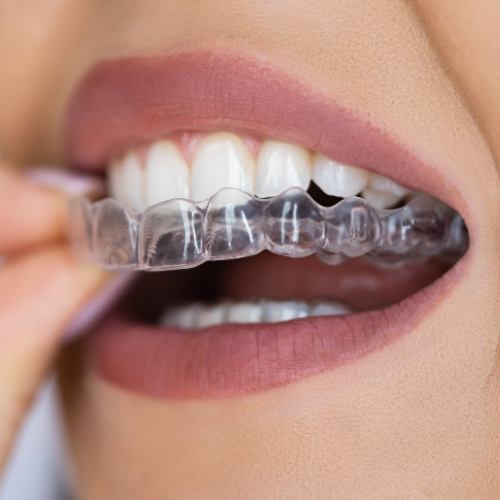
Clear aligners work by applying controlled pressure in tiny increments. Each set of aligners is slightly different, nudging teeth closer to the planned position. For mild to moderate crowding, aligners can:
-
Unstack overlapping teeth
-
Expand arches slightly (within safe limits)
-
Close small gaps created strategically
-
Improve symmetry and aesthetics
In many plans, your dentist may recommend IPR (interproximal reduction), a safe, minimal reshaping between teeth, to create space. This helps aligners deliver better crowded teeth aligner results without forcing teeth outside the bone.
If you want to understand the full step-by-step, you can interlink your How It Works page here (Smileie’s process is especially helpful for first-timers).
Do Aligners Work for Rotated Teeth?
Yes, aligners for rotated teeth can work well, especially when rotations are mild to moderate. However, rotations are often more challenging than simple spacing because a rotated tooth needs “grip” to turn. That’s where:
-
Attachments (small tooth-colored bumps)
-
Optimized tray edges
-
Careful staging in the treatment plan
…can make a big difference. If your plan includes attachments, it’s not a bad sign, it’s often what helps aligners straighten twisted teeth more predictably.
What Counts as “Mild to Moderate Crowding”?
A practical way to think about mild to moderate crowding is how much overlap exists and whether teeth can be aligned without major bite correction. Signs you may fall into this category:
-
Slight overlap or one tooth sitting behind another
-
Front teeth that look uneven in photos
-
Mild rotations (a tooth turned but not severely)
-
Flossing is difficult due to tight contacts
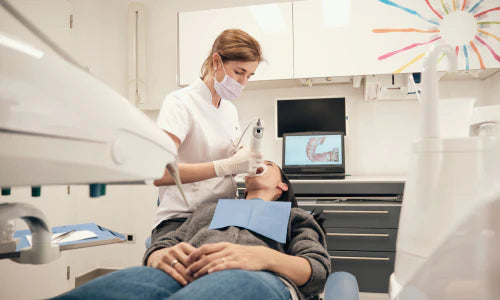
To be sure, start with a proper evaluation. Smileie makes this easy: you can begin with a Smileie Scan (great for understanding your current alignment) and then proceed to the Assessment page to confirm candidacy and next steps.
Realistic Results: What You Can Expect
People searching for crowded teeth aligner results usually want the truth: “Will it look straight, and will it stay that way?”
Here’s what most well-managed cases can expect:
Aesthetic improvements
-
Straighter front teeth
-
Reduced overlap
-
Improved smile symmetry
-
Less “shadowing” from crooked angles
Functional improvements
-
Easier flossing and brushing
-
Reduced plaque traps caused by crowding
-
Better comfort in many cases (less tooth-on-tooth interference)
For rotated teeth, results depend on rotation severity, tooth shape, and how consistently you wear aligners. If you’re trying to straighten twisted teeth, compliance matters more than almost anything else.
Timeline: How Long Does It Take?
Treatment varies by complexity, but here’s a helpful guide:
-
Mild crowding: ~3–6 months
-
Mild to moderate crowding: ~6–10 months
-
Rotations (especially canines/premolars): may add time depending on movement needs
For more detailed information you can check out our How it Works page.
When Clear Aligners May Not Be the Best Option
While clear aligners for crowded teeth are effective for many people, aligners may not be ideal for:
-
Severe crowding needing extractions
-
Significant bite issues (deep bite, crossbite, open bite)
-
Teeth requiring major root movement
-
Uncontrolled gum disease or weak bone support
-
Very severe rotations that need stronger mechanics
A trustworthy brand doesn’t “yes” in every case. Smileie’s clinician-led evaluation helps match you to the safest plan, this is a great moment to interlink your Why Smileie page to emphasize dentist oversight and case suitability.
How to Improve Your Aligner Results (Dentist-Approved Tips)
If you want the best crowded teeth aligner results and better success with aligners for rotated teeth, focus on these habits:
-
Wear time: 20–22 hours/day consistently
-
Change schedule: switch trays exactly as prescribed
-
Chewies: use aligner seaters to fully seat trays
-
Oral hygiene: brush/floss after meals to prevent staining and inflammation
-
Track progress: check fit, tightness is normal, “floating trays” aren’t
-
Retention: wear retainers after treatment to prevent relapse
If you’re comparing options, interlink your Pricing page here, people often decide once they understand the plan tiers, what’s included, and how follow-ups work.
Getting Started with Smileie
If you’re exploring clear aligners for crowded teeth, here’s a clean way to start:
-
Begin with Smileie Scan to map your alignment
-
Complete your Assessment to confirm eligibility
-
Review treatment details in How It Works
-
Compare packages on Pricing
-
Build trust and clarity on Why Smileie
FAQs
-
Do clear aligners work for crowded teeth without removing teeth?
Yes, clear aligners for crowded teeth can often correct mild to moderate crowding without tooth removal by creating space through controlled tooth movement or minor enamel reshaping (IPR), as approved by a dentist. -
Can aligners fix rotated teeth and how long does it take?
Yes, aligners for rotated teeth can successfully treat mild to moderate rotations. Treatment time typically ranges from 6 to 10 months, depending on the level of rotation and how consistently the aligners are worn. -
What level of crowding is too severe for clear aligners?
Severe crowding that requires tooth extractions, major bite correction, or extensive root movement may not be suitable for clear aligners and usually needs in-clinic orthodontic treatment. -
Do I need attachments for rotated teeth with aligners?
In many cases, attachments are recommended to help aligners grip the teeth better, allowing them to rotate teeth more effectively and deliver predictable results. -
Are crowded teeth aligner results permanent?
Crowded teeth aligner results can be long-lasting when retainers are worn as prescribed after treatment. Without proper retention, teeth may gradually shift back over time. -
Can clear aligners straighten twisted teeth faster than braces?
For mild to moderate cases, clear aligners can straighten twisted teeth in a similar timeframe to braces, with added benefits like comfort, aesthetics, and easier oral hygiene. -
Do aligners hurt more when fixing crowding or rotations?
Most people experience mild pressure or tightness during the first few days of a new aligner set, but the discomfort is temporary and generally less intense than traditional braces.

Latest Blog
-
 Sep 22, 2026
At-Home Impression Kit vs. In-Person 3D Scan: Which Should Encino Residents Choose?
Learn More -

-

-


