



 USA
USA Canada
 UK
UK Italy
Italy Sweden
 Australia

Clear Aligners Under $2,000: What's Real and What to Watch Out For

You’ve found a clear aligner plan for less than $2,000, and part of you is wondering what the catch is. Can teeth really be straightened at that price, or does choosing the cheaper option mean compromising on treatment or results?
That hesitation makes sense. Most people reach this point after seeing treatment prices ranging from well under $2,000 to several thousand dollars, with every option promising a straighter smile.
The reality is more nuanced. Affordable clear aligners can be a legitimate option, particularly for mild to moderate alignment concerns. But price alone tells you very little about the quality of a treatment plan.
What matters is what you actually receive for that price, and what happens if your teeth don’t move exactly as expected.
Can You Really Get Clear Aligners Under $2,000?
Yes, legitimate clear aligner treatment can cost under $2,000, especially with remote or at-home treatment models that have lower overhead than traditional orthodontic offices. The important question isn’t simply whether the price is real, but whether professional treatment planning, monitoring, necessary adjustments, and retainers are included.
That distinction matters because two plans advertised at similar prices can offer very different levels of care.
A lower price can come from a more efficient treatment model rather than lower-quality aligners. At-home providers, for example, may reduce costs associated with repeated office appointments while still using dental professionals to review treatment.
Before deciding, look beyond the headline number.
Why Some Clear Aligners Cost Less
Traditional orthodontic treatment includes more than the physical appliances. You’re also paying for office facilities, appointments, staff time, diagnostic equipment, and ongoing in-person supervision.
Some affordable teeth aligners use a different model. Your case may begin with an at-home impression kit or a dental scan, followed by remote treatment planning and delivery of your aligners.
That can reduce the overall cost considerably.
It doesn’t automatically make a lower-priced treatment better or worse. The real question is whether your particular case can be treated appropriately through that model.
If you’re comparing options, reviewing exactly what is included on Smileie’s Pricing page can be more useful than comparing advertised starting prices alone.
What Should Be Included in an Affordable Aligner Plan?
One mistake people often make is comparing the price of the aligners rather than the complete treatment.
A genuine treatment package should explain how your teeth are evaluated, who reviews your case, how your treatment plan is created, what support is available during treatment, and what happens once active treatment ends.
Pay particular attention to retainers. Your teeth naturally have a tendency to shift after treatment, so retention is an important part of protecting the result.
You should also understand the policy on refinements or additional aligners. Teeth don’t always follow a digital treatment simulation perfectly. If additional movement is needed, you want to know whether that is included or comes with another charge.
A $1,500 plan with several necessary extras can eventually cost more than a $1,900 package that includes them.
Low Cost Aligners: What Should You Watch Out For?
A low price should make you ask questions, not automatically walk away.
The first thing to watch for is vague pricing. If a company promotes an attractive starting price but doesn’t clearly explain what treatment, retainers, impressions, scans, or refinements cost, it becomes difficult to calculate your real expense.
The second concern is unclear professional oversight. Moving teeth is a healthcare treatment, not simply a cosmetic purchase. You should know that your case is evaluated to determine whether aligners are appropriate for you.
Be cautious of promises that sound unusually certain, too. No responsible provider can guarantee that every person will achieve exactly the same result or finish treatment within the same number of months.
Your teeth, bite, treatment complexity, and consistency wearing the aligners all matter.
Cheap Doesn't Always Mean Poor Quality, and Expensive Doesn't Guarantee Better Results
This is where clear aligner shopping becomes confusing.
People sometimes assume that the most expensive option must produce the best result. Others assume every set of invisible braces works essentially the same way, so they choose whichever has the lowest price.
Neither approach is particularly reliable.
A better comparison starts with your case. Someone with relatively minor spacing may not need the same treatment model as someone with significant crowding or a complicated bite issue.
For suitable cases, a budget aligner plan may provide exactly what is needed without the cost of frequent office visits. More complex cases may benefit from in-person orthodontic care and additional treatment options.
The goal isn't to find the cheapest possible treatment. It's to avoid paying for a treatment model you don't need while making sure you receive the care you do need.
Who Is a Good Candidate for Affordable Teeth Aligners?
Clear aligners are commonly considered for concerns such as mild to moderate crowding, gaps, or certain alignment problems. Eligibility cannot reliably be determined from price, photographs, or a quick online quiz alone.
Your teeth and bite need to be properly evaluated.
This is one reason an Online Assessment is a useful starting point. It allows the provider to determine whether aligner treatment is appropriate before you commit to a full plan.
If your case requires treatment beyond what a remote aligner system can safely or predictably handle, being told that early is a good thing. A trustworthy provider should be willing to say when its treatment isn't the right solution.
What Does the Treatment Process Actually Look Like?
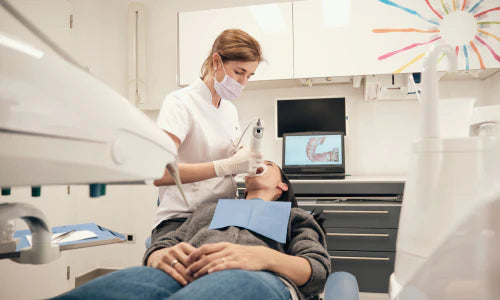
Most aligner journeys begin by capturing the current position of your teeth through impressions or a digital scan. That information is used to evaluate your case and develop a planned sequence of tooth movements.
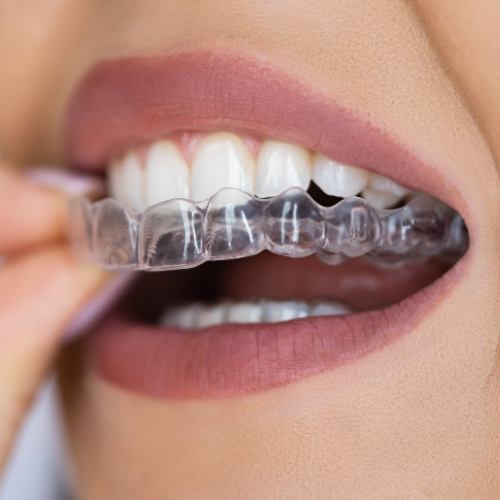
If you're approved, you'll receive a series of custom teeth aligners. Each set gradually moves your teeth toward the planned position, and you'll typically need to wear them consistently each day according to your treatment instructions.
You can see Smileie’s How It Works process before starting so you understand what happens from assessment through treatment rather than making a decision based only on price.
That matters because affordable treatment still requires commitment. Aligners sitting in their case cannot move your teeth.
The Questions to Ask Before Paying
Before choosing any clear aligner provider, make sure you can answer a few basic questions.
Who reviews my case? What exactly is included in the advertised price? Are impressions or scans extra? What happens if I need additional aligners? Are retainers included? What support is available during treatment? And what happens if I'm not eligible?
You shouldn't need to dig through pages of fine print to understand the basic financial commitment.
Also check the payment terms carefully. Monthly payments can make treatment easier to manage, but compare the total amount paid, not just the monthly number. Financing fees or longer payment periods can change the final cost.
Is Under $2,000 the Right Price for You?
For the right candidate, spending under $2,000 on clear aligners can be completely realistic. The number itself shouldn't be what convinces, or scares, you.
Instead, compare the full treatment experience.
If the provider clearly explains eligibility, professional oversight, treatment planning, support, retainers, additional aligners, and total costs, you have something meaningful to evaluate.
If those details remain unclear while the low price receives most of the attention, keep asking questions.
Affordable treatment should mean spending less because the model is efficient, not receiving less information about the care you're agreeing to.
FAQs About Affordable Clear Aligners
How much do affordable clear aligners cost in the USA?
Costs vary by provider and treatment model, but some clear aligner plans are available for less than $2,000. Always compare the complete treatment price, including impressions or scans, retainers, refinements, and any financing charges.
Are clear aligners under $2,000 actually safe?
They can be appropriate when your case is properly evaluated and treatment is planned with professional oversight. Price alone does not determine safety; your oral health, treatment complexity, provider standards, and monitoring process all matter.
Do cheap clear aligners work as well as expensive ones?
Lower-priced aligners can work well for suitable cases, but not every treatment model is appropriate for every person. Results depend on accurate planning, case complexity, professional oversight, and how consistently you wear your aligners.
How long do affordable clear aligners take to straighten teeth?
Treatment time varies depending on how much movement your teeth require and how closely you follow the prescribed wear schedule. A provider should give you an estimated timeline after evaluating your teeth rather than promising the same treatment length for everyone.
Am I eligible for low cost aligners?
People with mild to moderate spacing or crowding may be candidates, but eligibility depends on your individual teeth, bite, and oral health. An assessment using impressions or a scan is needed to determine whether a particular aligner system is suitable.
Are retainers included with affordable clear aligners?
It depends on the provider and package. Check before purchasing because retainers are an important part of maintaining your new tooth positions after active treatment ends.
Are affordable clear aligners better than traditional braces?
Neither option is universally better. Affordable clear aligners may suit people with eligible cases who value discreet treatment and convenience, while traditional braces and in-person orthodontic treatment may be more appropriate for certain complex tooth or bite movements.

Latest Blog
-
 Sep 01, 2026
At-Home Impression Kit vs. Mobile 3D Scan: Which Should Palm Harbor Residents Choose?
Learn More -

-

-


