



 USA
USA Canada
 UK
UK Italy
Italy Sweden
 Australia

Clear Aligners vs At-Home Orthodontic Alternatives: What Works Best Today

You’ve probably had this moment: you notice your smile in a photo and think, “I should finally fix this.” Then comes the overwhelm, clear aligners, DIY kits, mail-order retainers, braces alternatives… it’s not obvious what actually works anymore.
If you’re comparing clear aligners alternatives USA and trying to figure out the best teeth straightening options USA, this guide breaks it down the way real people evaluate them, practically, not theoretically.
Quick Answer
Clear aligners remain the most reliable at-home orthodontic option today because they combine medical planning with convenience. Other alternatives (like DIY kits or retainers) may be cheaper but often lack precision and long-term effectiveness, especially for moderate to complex cases.
What People Actually Want When Straightening Teeth
Before comparing options, it helps to be honest about what matters most:
-
“Will this actually fix my teeth, or just make them look slightly better?”
-
“How visible is it?”
-
“How much time and effort is involved?”
-
“Is it safe without frequent dental visits?”
-
“What happens if something goes wrong?”
Most people aren’t just choosing a product, they’re choosing risk vs convenience vs results.
The Main Teeth Straightening Options in the USA Today
Let’s break down the most common categories.
1. Clear Aligners (Doctor-Directed, At-Home Friendly)
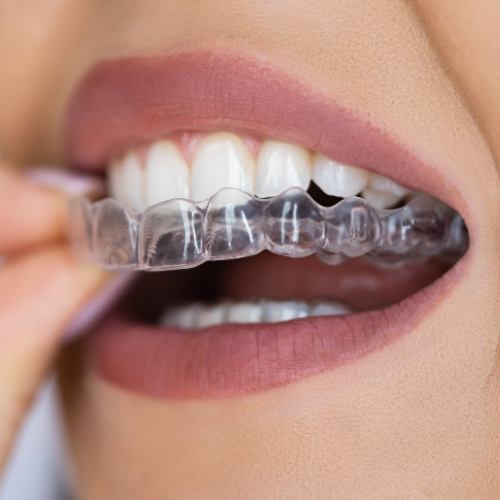
Clear aligners are custom trays designed to gradually move teeth over time. Today, many systems allow you to do most of the process from home while still being guided by dental professionals.
What stands out:
-
Personalized treatment plan based on your scans
-
Predictable movement (step-by-step adjustments)
-
Remote monitoring in many cases
-
Nearly invisible appearance
This is why clear aligners dominate discussions around clear aligners alternatives USA, they sit at the intersection of convenience and clinical accuracy.
If you're curious about how the process actually unfolds, from scan to final results, you can explore the How It Works journey in more detail.
2. DIY / Over-the-Counter Straightening Kits
These are typically one-size or minimally customized solutions you can order online.
Why people consider them:
-
Low upfront cost
-
No appointments
-
Quick start
Where hesitation comes in:
-
Limited personalization
-
No real-time supervision
-
Risk of ineffective or uneven movement
These options can be tempting when budget is the main concern, but many people later question whether they’re actually correcting alignment or just shifting teeth slightly.
3. Retainers as “Straightening” Tools
Some brands position retainers as a way to improve alignment.
Reality check: Retainers are designed to maintain, not significantly move teeth.
They might help with:
-
Very minor shifting
-
Post-treatment adjustments
But for most people exploring teeth straightening options USA, retainers alone won’t deliver meaningful results.
4. Traditional Braces (Still Relevant, Less Popular for Adults)
Braces are still the gold standard for complex cases.
Why they’re less common in this conversation:
-
Highly visible
-
Require frequent in-office visits
-
Less flexible for adult lifestyles
That said, if your case is severe, braces might still be the most effective route.
The Real Comparison: What Actually Works Today?
Clear Aligners
-
Effectiveness: High (best for mild to moderate cases)
-
Customization: Fully personalized treatment plan
-
Supervision: Remote dental guidance
-
Comfort: High
-
Visibility: Low (nearly invisible)
-
Lifestyle fit: Excellent (flexible, easy to manage)
DIY Kits
-
Effectiveness: Low to moderate
-
Customization: Limited
-
Supervision: None or minimal
-
Comfort: Moderate
-
Visibility: Low
-
Lifestyle fit: Good
Retainers
-
Effectiveness: Low (mainly for maintenance, not full correction)
-
Customization: Minimal
-
Supervision: None
-
Comfort: High
-
Visibility: Low
-
Lifestyle fit: Excellent
Braces
-
Effectiveness: Very high (works for complex cases)
-
Customization: Fully personalized
-
Supervision: Regular in-person visits
-
Comfort: Moderate
-
Visibility: High
-
Lifestyle fit: Limited (more restrictions)
Bottom line: Clear aligners are currently the most balanced solution for adults who want real results without the disruption of braces.
Where People Hesitate (And What Actually Matters)
“Is at-home treatment safe?”
This depends entirely on whether a dental professional is involved in planning your treatment.
With guided clear aligners, your case is reviewed and monitored. With DIY options, you’re largely on your own.
“Will it actually work for my teeth?”
Not every option works for every case.
-
Minor spacing - multiple options could work
-
Moderate crowding - clear aligners are usually ideal
-
Complex bite issues - may require in-office orthodontics
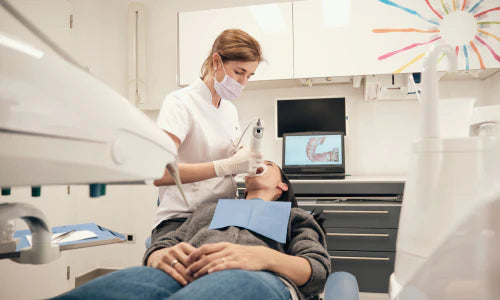
This is why starting with an assessment matters. A proper scan gives you a realistic preview of what’s possible.
“Is it worth the cost difference?”
Cheaper options can feel appealing, until they don’t deliver.
When people compare value, they often look at:
-
Likelihood of success
-
Time to results
-
Need for retreatment later
If you’re evaluating cost vs outcome, it helps to look at transparent breakdowns like Smileie’s pricing approach to understand what you’re actually paying for.
How to Decide What’s Right for You
Instead of asking “Which is best?”, ask:
-
How complex is my case?
-
Do I want professional oversight?
-
How important is predictability vs saving money?
-
Am I okay with trial-and-error, or do I want a clear plan?
For most adults, the decision comes down to:
-
DIY options - cheaper, but uncertain
-
Clear aligners - balanced, structured, reliable
-
Braces - most powerful, least convenient
A Smarter Starting Point
If you’re still unsure, the best next step isn’t choosing a product, it’s understanding your case.
A simple scan or assessment can show:
-
How your teeth will move
-
How long it will take
-
Whether aligners are right for you
That’s why many people start with a digital preview (like Smileie’s Scan & Assessment process) before committing.
Final Thought
There’s no shortage of clear aligners alternatives USA, but not all of them are built to deliver real, lasting results. Most people don’t regret straightening their teeth. They regret choosing the wrong method the first time.
If you prioritize predictability, comfort, and a plan you can trust, clear aligners are still the strongest option available today.
FAQs
Can at-home teeth straightening really work?
Yes, if it’s guided by dental professionals with a personalized treatment plan. Fully DIY options are less reliable.
Are clear aligners better than DIY kits?
In most cases, yes. Clear aligners offer better customization and predictable results, especially for anything beyond minor adjustments.
What’s the cheapest way to straighten teeth in the USA?
DIY kits are usually the cheapest upfront, but they may not deliver effective results, which can lead to higher long-term costs.
4. How long do clear aligners take to work?
Most treatments take 4–8 months for mild to moderate cases, depending on your specific alignment needs.
5. Can retainers fix crooked teeth?
Retainers can maintain alignment or fix very minor shifts, but they are not designed for full teeth straightening.
6. Are clear aligners safe without in-person visits?
Yes, if the treatment is remotely monitored by licensed professionals. Safety depends on proper planning and supervision.
7. How do I know if I’m a good candidate for aligners?
The easiest way is to get a scan or assessment, which shows whether your teeth can be effectively treated with aligners.

Latest Blog
-
 Sep 22, 2026
At-Home Impression Kit vs. In-Person 3D Scan: Which Should Encino Residents Choose?
Learn More -

-

-


