




 USA
USA Canada
 UK
UK Italy
Italy Sweden
 Australia

Clear Aligners vs Braces: Why Adults Prefer Removable Treatment

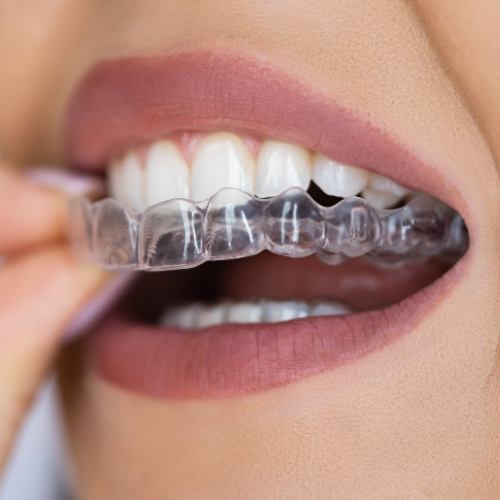
Clear aligners vs braces for adults: Adults often prefer clear aligners because they’re removable, nearly invisible, and easier to maintain than braces. Clear aligners can be taken out for meals and brushing, making them a popular adult orthodontic option for mild to moderate alignment issues. Braces may still be better for complex bite problems or severe tooth rotations.
If you’re considering straightening your teeth as an adult, you’ve probably searched clear aligners vs braces for adults more times than you can count. And it makes sense, adult life comes with meetings, weddings, photos, travel, and busy schedules. Traditional braces work well, but many adults now prefer removable, low-visibility solutions that fit their lifestyle.
So what’s driving the shift? Let’s break down the real-world differences, comfort factors, and results, so you can choose the right treatment with confidence.
Why adults are choosing removable orthodontics now
Adults often delay orthodontic care because they don’t want the look or maintenance of metal braces. That’s where removable braces (a common way people describe clear aligners) stand out. They’re discreet, flexible, and built for modern routines.
When comparing clear aligners vs braces for adults, the biggest adult priorities usually include:
-
Appearance at work and social events
-
Comfort (less irritation than brackets and wires)
-
Convenience during travel and dining
-
Easy cleaning (better hygiene control)
-
Fewer in-clinic emergencies (like broken wires)
If you want to explore whether aligners fit your case, you can start with the Smileie Scan page or take a quick eligibility check through the Assessment page.
Clear aligners vs braces for adults: the key differences
Here’s the straightforward comparison most adults care about.
1) Visibility and confidence
For many people, the deciding factor in clear aligners vs braces for adults is visibility. Aligners are clear and low-profile, making them popular for professionals, creators, and anyone who’s frequently on camera. Braces are more noticeable, even with ceramic options.
2) Comfort and mouth irritation
Braces can cause friction against lips and cheeks. Aligners generally feel smoother because there are no brackets. Adults often describe aligners as “pressure” rather than “pain,” especially after switching trays.
3) Eating freedom
With braces, certain foods become a no-go, sticky, hard, crunchy items can break brackets. With removable braces, you simply take them out for meals. That flexibility is a major reason why clear aligners vs braces for adult searches keep rising.
4) Oral hygiene and cleanliness
Adults worry about gum health, plaque buildup, and bad breath, especially if they’ve had dental work before. Aligners allow normal brushing and flossing, while braces require extra tools and more time.
This is also why many people consider aligners as one of the most practical adult orthodontic options today.
Who is a good fit for aligners?
In many cases, aligners work well for mild to moderate issues like:
-
Crowding
-
Spacing
-
Minor bite problems
-
Relapse after past braces
For more complex bite corrections or severe rotations, braces may still be recommended. The best way to know is to check your case with Smileie’s process, start on the How It Works page, then use the Assessment page to see what’s possible.
Why removable treatment fits adult life better
Adults aren’t avoiding treatment, they’re choosing smarter treatment.
When evaluating clear aligners vs braces for adults, aligners feel more “adult-friendly” because they:
-
Blend into your routine (work, gym, travel)
-
Let you eat normally
-
Support better daily cleaning
-
Reduce unexpected repairs
-
Help you stay confident in photos and meetings
Many adults who choose removable braces also like the predictable step-by-step progress: each tray is a small move toward the final smile.
If you’re comparing costs, it’s a good time to check the Pricing page. And if you want to understand what makes Smileie different from generic options, the Why Smileie page is worth reviewing.
Are braces still better sometimes?
Yes, braces can be ideal when:
-
tooth movement needs very precise control
-
complex bite corrections are required
-
compliance is a concern (aligners must be worn 20–22 hours/day)
That said, for many modern adults seeking flexible treatment, clear aligners vs braces for adults often comes down to lifestyle, and aligners usually win on convenience.
FAQs
-
Are clear aligners better than braces for adults?
Clear aligners are often better for adults who want a discreet, removable option and have mild to moderate alignment needs. Braces may be better for complex cases. -
Do removable braces work as well as metal braces?
For the right case, yes. Removable braces (clear aligners) can be very effective when worn consistently as prescribed. -
How long do clear aligners take for adults?
Treatment length varies by case, but many adult aligner treatments range from a few months to over a year. -
What are the disadvantages of clear aligners?
They require discipline (wear time matters), and they may not suit severe bite issues without additional orthodontic planning. -
Do adults choose braces anymore?
Yes. Some adults still choose braces for complex corrections, personal preference, or if they want a non-removable solution. -
Do aligners hurt less than braces?
Many adults report fewer mouth sores because aligners have no brackets or wires, though you may feel pressure after tray changes. -
What adult orthodontic options are available besides braces?
Common adult orthodontic options include clear aligners, ceramic braces, lingual braces, and traditional metal braces, your best fit depends on your case and goals.

Latest Blog
-
 Sep 22, 2026
At-Home Impression Kit vs. In-Person 3D Scan: Which Should Encino Residents Choose?
Learn More -

-

-


