




 USA
USA Canada
 UK
UK Italy
Italy Sweden
 Australia

Clear Aligners vs DIY Teeth Straightening Methods: What’s Safe and Effective?

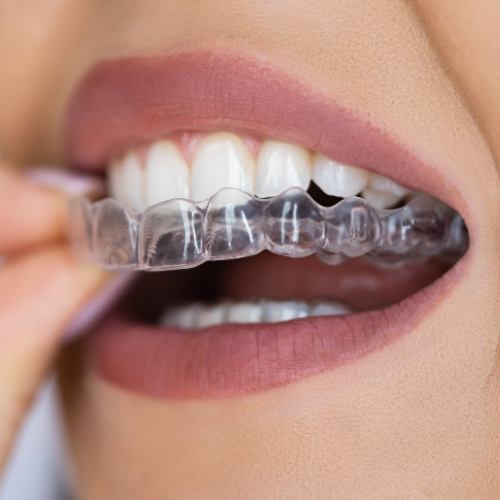
When choosing between DIY teeth straightening USA methods and clear aligners, clear aligners are generally the safer and more effective option. DIY methods can cause unpredictable tooth movement, while clear aligners use a customized treatment plan to move teeth gradually and safely.
Many people reach a point where they start noticing their teeth more closely. Maybe a front tooth has shifted over time. Maybe there’s crowding that’s become more noticeable in photos. Or perhaps you've always wanted straighter teeth but aren't sure where to begin.
At this stage, it’s common to start researching options online. Along the way, many people come across DIY teeth straightening USA trends, homemade methods, and social media advice promising quick fixes.
The challenge is knowing which options are actually safe, and which could create bigger problems later.
This guide explains the difference between DIY teeth straightening methods and professionally designed clear aligners, so you can make a confident, informed decision.
Why DIY Teeth Straightening Appeals to So Many People
The appeal is understandable.
Many people want:
-
A lower-cost alternative
-
Faster results
-
A solution they can start from home
-
Less time spent visiting dental offices
Online videos and social media posts often make DIY teeth straightening look simple. Common methods may involve rubber bands, makeshift retainers, or other home-based techniques intended to move teeth.
The problem is that teeth don't move independently.
Every tooth is connected to surrounding bone, gums, roots, and supporting tissues. Moving one tooth affects the entire system. Without understanding how these structures respond, it becomes difficult to predict what will happen.
That's why professional orthodontic treatment focuses on controlled, planned movement rather than simply applying pressure.
What You Need to Understand Before Starting Any Teeth Straightening Treatment
Before choosing any method, it helps to understand one important fact:
Straightening teeth isn't just about appearance.
A successful outcome depends on factors such as:
-
Tooth position
-
Root alignment
-
Bite relationship
-
Gum health
-
Bone support
-
Existing dental work
Two smiles that look similar on the surface may require completely different treatment approaches.
This is one reason why safe orthodontic options begin with evaluating your current dental condition rather than jumping straight into treatment.
DIY Teeth Straightening: What Are the Risks?
DIY methods often rely on guesswork. While some techniques may appear harmless, they can create issues that aren't immediately visible.
Potential risks include:
Uncontrolled Tooth Movement
Teeth may move in unintended directions, creating new alignment problems instead of solving existing ones.
Bite Problems
Even small changes can affect how upper and lower teeth fit together, leading to discomfort or uneven wear.
Gum Irritation
Improper pressure may irritate gums and surrounding tissues.
Root Damage
Moving teeth too quickly or incorrectly can place unnecessary stress on tooth roots.
Delayed Professional Treatment
Sometimes DIY methods create complications that make future orthodontic treatment more complex.
The biggest concern is that it's difficult to monitor what's happening beneath the surface without professional oversight.
How Clear Aligners Work Differently
Clear aligners are designed around a treatment plan rather than trial and error.
Instead of forcing movement, they guide teeth through a series of small, controlled adjustments.
The process typically follows these steps:
Step 1: Start With an Assessment
The first step is understanding your current alignment and treatment goals.
A professional assessment helps determine whether clear aligners are appropriate for your situation and what results may be achievable.
Step 2: Create a Customized Treatment Plan
Your teeth are mapped and analyzed before treatment begins.
This allows movements to be planned in advance rather than guessed along the way.
Step 3: Wear Your Aligners Consistently
Each set of aligners gradually moves teeth toward their intended position.
Because movements happen incrementally, the process is generally more predictable.
Step 4: Progress Through the Series
As treatment progresses, aligners are changed according to the prescribed schedule.
Each stage builds upon the previous one.
For people who want a simple overview, Smileie's How It Works process explains each stage from assessment to treatment completion.
Are Clear Aligners a Safe Orthodontic Option?
For many people, clear aligners are considered one of the most accessible and safe orthodontic options available today.
They are commonly used to address:
-
Mild to moderate crowding
-
Gaps between teeth
-
Minor bite concerns
-
Relapse after previous orthodontic treatment
However, not every case is suitable for aligners alone.
That's why an assessment remains an important first step before beginning treatment.
What Results Can You Realistically Expect?
One of the biggest sources of hesitation is uncertainty about results.
People often wonder:
-
How long will treatment take?
-
Will my teeth become perfectly straight?
-
Is it worth the effort?
The answer depends on your starting point.
Some cases show noticeable improvement within a few months, while others require a longer treatment timeline.
Most people achieve the best outcomes when they:
-
Follow their wear schedule consistently
-
Change aligners as directed
-
Maintain good oral hygiene
-
Complete the full treatment plan
Clear aligners are designed for gradual progress rather than overnight transformation.
What Makes the Process Easier?
People who have a positive experience with aligner treatment often focus on preparation rather than speed.
A few things can make the journey smoother:
Know Your Goals
Understanding what you'd like to improve helps create realistic expectations.
Follow the Plan
Consistency tends to have the biggest impact on treatment progress.
Ask Questions Early
If you're unsure whether aligners are right for you, starting with a Smileie Online Assessment can help clarify your options before making a commitment.
Understand the Costs Upfront
Cost concerns are common. Reviewing treatment details and the Smileie Pricing information early can help eliminate uncertainty and support better decision-making.
The Bottom Line
When comparing DIY teeth straightening USA methods with professionally designed clear aligners, the key difference is predictability.
DIY approaches often rely on experimentation and can carry unnecessary risks.
Clear aligners, on the other hand, are designed around planned tooth movement and individualized treatment goals.
If you're considering straightening your teeth, taking the time to understand your options first can help you choose a path that's both safer and more effective.
Frequently Asked Questions
1. Is DIY teeth straightening safe?
Most DIY teeth straightening methods carry risks because they lack professional planning and monitoring. Uncontrolled tooth movement can lead to alignment issues, bite problems, or damage to supporting structures.
2. Are clear aligners safer than DIY methods?
Clear aligners are generally considered safer because treatment is planned around your specific dental condition and tooth movement is guided gradually.
3. Can clear aligners fix crowded teeth?
Many mild to moderate crowding cases can be treated successfully with clear aligners, though eligibility depends on the complexity of the case.
4. How long does clear aligner treatment usually take?
Treatment timelines vary, but many people complete treatment within several months to over a year depending on their alignment needs.
5. Are clear aligners worth the cost?
For many people, the value comes from having a structured treatment plan, predictable progress, and reduced risk compared to DIY alternatives.
6. Can I start teeth aligners from home?
Many modern teeth aligners begin with an at-home assessment process, though suitability still depends on professional review and treatment planning.
7. How do I know if I'm a good candidate for clear aligners?
The best way to determine eligibility is through an assessment that evaluates your teeth, bite, and treatment goals before treatment begins.

Latest Blog
-
 Sep 22, 2026
At-Home Impression Kit vs. In-Person 3D Scan: Which Should Encino Residents Choose?
Learn More -

-

-


