



 USA
USA Canada
 UK
UK Italy
Italy Sweden
 Australia

How Clear Aligners Help Improve Long-Term Dental Health

Most people start looking into clear aligners because they want straighter teeth. What often gets overlooked is what happens after alignment improves.
Crowded teeth, bite issues, and shifting teeth can quietly affect your dental health for years, making brushing harder, increasing plaque buildup, and even contributing to uneven tooth wear. That’s why more adults in the USA are now exploring clear aligners not just for cosmetic reasons, but for long-term oral health benefits too.
Clear aligners can improve long-term dental health by making teeth easier to clean, reducing plaque buildup, improving bite alignment, and lowering the risk of uneven tooth wear or gum problems. For many adults in the USA, aligners support both a healthier smile and better daily oral hygiene habits.
Straight Teeth Matter More Than People Realize
A lot of dental issues don’t begin with pain. They start with small daily problems that slowly build over time.
Think about someone who flosses regularly but still struggles with food getting trapped between crowded lower teeth. Or someone who notices one tooth chipping repeatedly because their bite puts too much pressure on one area.
These situations are common. And in many cases, alignment plays a bigger role than people expect.
When teeth are crowded, rotated, or spaced unevenly, it becomes harder to clean properly. That can increase the chances of:
-
Plaque buildup
-
Gum inflammation
-
Cavities between teeth
-
Persistent bad breath
-
Uneven enamel wear
-
Jaw discomfort from bite imbalance
Clear aligners are often evaluated for aesthetics first, but one of the biggest aligners benefits is how they can support healthier function over time.
How Clear Aligners Support Better Oral Hygiene
One of the most practical oral health benefits of clear aligners is simple: they’re removable.
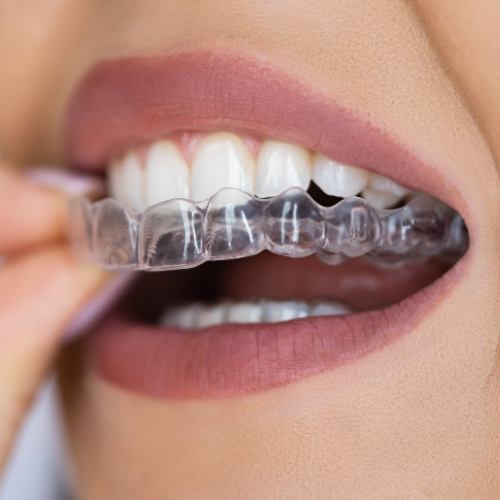
Unlike traditional braces, aligners can be taken out during meals and brushing. That means people can maintain a more normal oral hygiene routine without navigating around wires or brackets.
For adults balancing work, travel, or busy schedules, that flexibility matters.
Easier Brushing and Flossing
When teeth move into healthier alignment, brushing becomes more effective. Areas that were once difficult to reach become easier to clean consistently.
That can help reduce:
-
Plaque accumulation
-
Gum irritation
-
Tartar formation
-
Risk of interproximal cavities
Many people notice that flossing becomes less frustrating once crowding improves.
Less Food Trapping
Food trapped between overlapping teeth can contribute to bacterial growth and gum sensitivity over time.
By improving spacing and alignment, clear aligners may help reduce those recurring problem areas that people often ignore until a dental cleaning points them out.
Bite Alignment and Long-Term Dental Health
Dental health isn’t just about straight-looking teeth. Bite alignment also affects how force is distributed across the mouth.
If certain teeth absorb more pressure than others, it can lead to:
-
Premature enamel wear
-
Small fractures or chipping
-
Tooth sensitivity
-
Jaw tension
-
Grinding-related damage
Clear aligners are commonly used to improve mild to moderate bite concerns, helping teeth meet more evenly over time.
For many adults in the USA, this becomes part of preventive dental care rather than purely cosmetic treatment.
The Connection Between Gum Health and Alignment
Gum health is closely tied to tooth positioning.
Crowded teeth can create tight spaces where bacteria accumulate more easily. Over time, this may increase inflammation and contribute to gum recession or periodontal concerns if left unmanaged.
Straighter teeth are generally easier to keep clean consistently, which supports healthier gums long term.
That’s one reason many dentists discuss aligners dental health USA trends in the context of preventive care, especially for adults who want to improve oral hygiene without major lifestyle disruption.
Why Adults Often Delay Treatment
A surprising number of adults spend years thinking about aligners before starting.
Usually, it’s not because they dislike the idea. It’s because they’re weighing practical concerns like:
-
“Will it actually help my dental health?”
-
“Is this worth the cost?”
-
“Will aligners fit my routine?”
-
“Am I too old for treatment?”
-
“How noticeable will they be?”
These are reasonable questions.
For many people, the decision shifts once they realize alignment problems can gradually become harder, and more expensive, to manage later.
Clear Aligners vs. Ignoring Minor Alignment Issues
Not every alignment issue requires treatment. But mild crowding or bite changes can slowly worsen over time, especially in adulthood.
Teeth naturally shift with age. Someone who had braces years ago may notice:
-
Lower teeth becoming crowded again
-
Increased grinding
-
Difficulty flossing certain areas
-
Changes in bite comfort
Addressing these concerns earlier may help reduce future dental complications.
That’s why many adults start with an online smile assessment before deciding whether treatment makes sense for them. Smileie’s online assessment process allows people to understand potential eligibility from home before committing to next steps.
What People Often Overlook About Clear Aligners
One overlooked factor is consistency.
Clear aligners work best when worn as directed, typically 20–22 hours daily. People evaluating treatment should realistically consider their routine and habits.
Someone who removes aligners constantly or forgets to wear them may not get ideal results.
On the other hand, adults who prefer a more flexible, discreet option often appreciate that aligners fit into daily life without the appearance or food restrictions associated with braces.
Understanding how the process works beforehand usually helps set realistic expectations. That’s why many people spend time reviewing treatment timelines, monitoring methods, and care instructions before choosing a provider.
Evaluating Cost vs. Long-Term Value
When people compare aligner options, they often focus only on the upfront price.
But long-term dental health can also affect value.
Preventing excessive enamel wear, reducing future restorative work, and improving daily oral hygiene may contribute to fewer complications later on.
For adults considering treatment, it’s worth evaluating not just what aligners cost today, but what improved dental health may help avoid over time.
Smileie’s pricing information is often helpful for people comparing affordability alongside treatment goals.
Choosing an Aligner Provider Carefully
Not all aligner experiences feel the same to patients.
People often evaluate providers based on:
-
Treatment oversight
-
Transparency
-
Impression or scan process
-
Support responsiveness
-
Comfort with remote treatment
-
Overall trust and credibility
That’s especially true for first-time aligner users who want reassurance before starting.
Many adults researching aligners dental health USA options spend significant time reviewing how treatment is monitored and whether the process feels realistic for their lifestyle.
Long-Term Dental Health Is Usually About Small Daily Improvements
Clear aligners don’t just change how teeth look in photos.
For many adults, the biggest difference is more practical:
-
brushing becomes easier,
-
flossing improves,
-
bite pressure feels more balanced,
-
and oral hygiene becomes less frustrating overall.
Those small daily improvements can add up over years. And that’s often the real reason people decide treatment is worth considering.
FAQs
Do clear aligners actually improve dental health or just appearance?
Clear aligners can support better dental health by improving tooth alignment, making brushing and flossing easier, and helping reduce uneven wear caused by bite issues.
Can crowded teeth increase the risk of cavities?
Yes. Crowded teeth can create hard-to-clean areas where plaque and bacteria build up more easily, increasing cavity risk over time.
Are clear aligners better for oral hygiene than braces?
Many people find aligners easier for oral hygiene because they’re removable during brushing and flossing, unlike fixed braces.
Can aligners help with grinding or uneven tooth wear?
In some cases, improving bite alignment may reduce uneven pressure on certain teeth, which can help limit excessive wear.
Is it too late to get clear aligners as an adult?
No. Many adults in the USA choose clear aligners later in life to improve both smile appearance and long-term dental health.
Do teeth shift naturally with age?
Yes. Teeth can gradually shift over time, especially if previous orthodontic treatment wasn’t followed with retainer use.
How do I know if I’m a good candidate for clear aligners?
Most people begin with a smile assessment or dental evaluation to determine whether their alignment concerns are suitable for clear aligners.

Latest Blog
-
 Sep 22, 2026
At-Home Impression Kit vs. In-Person 3D Scan: Which Should Encino Residents Choose?
Learn More -

-

-


