



 USA
USA Canada
 UK
UK Italy
Italy Sweden
 Australia

How Clear Aligners Work: The Simple Science Behind Teeth Movement

You can probably picture the result of clear aligners, a straighter smile, but what most people struggle to understand is how a thin piece of plastic can actually move teeth.
It's a fair question. Teeth feel solid. They're anchored into your jaw. They don't seem like something that should shift just because you're wearing transparent trays for a few months.
Yet orthodontists have been moving teeth safely for decades, and clear aligners simply use the same biological principles in a different, more precise way. The trays themselves don't "pull" teeth into place. Instead, they gently encourage your body's natural bone-remodelling process to reshape the space around each tooth.
Understanding this process doesn't just satisfy curiosity, it also explains why wearing aligners consistently matters, why treatment takes time, and why every person's timeline is a little different.
How do clear aligners work?
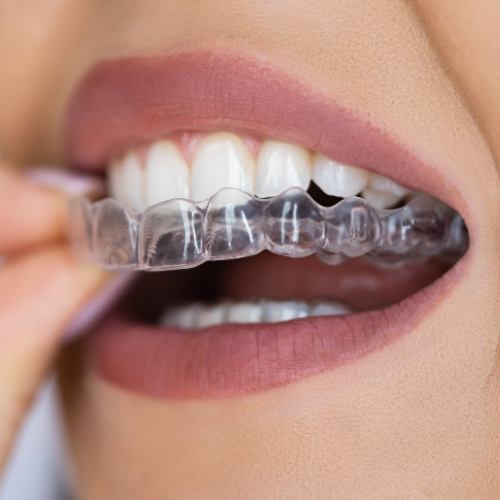
Clear aligners work by applying gentle, controlled pressure to specific teeth over time. This pressure triggers a natural biological process where bone is gradually removed from one side of the tooth and rebuilt on the other, allowing teeth to shift safely into their planned positions. Each new aligner continues this movement in small, carefully calculated steps.
Teeth aren't fixed in place as firmly as they seem
Many people imagine teeth as being cemented directly into the jawbone.
They aren't.
Each tooth sits inside a socket and is connected to the surrounding bone by a thin layer of tissue called the periodontal ligament. Think of it as a tiny cushion made up of specialised fibres that allows for microscopic movement.
This ligament is the reason orthodontic treatment is possible.
When a controlled force is applied to a tooth, one side of the ligament compresses while the opposite side stretches. Your body responds naturally:
-
Bone begins to break down where pressure exists.
-
New bone forms behind the moving tooth.
-
The tooth slowly settles into its new position.
This continuous cycle of bone remodelling is the real science behind orthodontic treatment, not the plastic aligner itself.
Clear aligners don't force teeth, they guide them
One of the biggest misconceptions about clear aligners is that they're physically pushing teeth into place through brute force.
That's actually the opposite of what good orthodontics aims to do.
Healthy tooth movement depends on light, consistent pressure, not heavy pressure.
Imagine trying to bend a young tree. A gentle support stake gradually guides it as it grows. Trying to force it suddenly would likely damage it instead.
Teeth respond in much the same way.
Each aligner is designed to move teeth only a fraction of a millimetre before the next tray takes over. Those tiny adjustments eventually add up to significant changes over several months.
Counterintuitively, more force doesn't usually mean faster movement. Excessive pressure can actually slow the biological response because the surrounding tissues need time to recover before healthy movement can continue.
That's one reason professionally planned treatment follows carefully calculated stages rather than trying to move everything at once.
Why do you need multiple aligners?
A common question is why treatment involves dozens of trays instead of just one.
The answer lies in biology.
Your teeth simply cannot move several millimetres overnight. Bone needs time to remodel after each small adjustment.
Every aligner represents one stage in a much larger treatment plan.
For example:
-
Aligner 1 begins very small movements.
-
Aligner 2 builds on those changes.
-
Aligner 3 continues the process.
-
Each new tray fits the position your teeth are expected to reach after wearing the previous one correctly.
It's similar to climbing stairs. You don't jump directly to the top floor, you reach it one step at a time.
How much do teeth move with each aligner?
The amount varies from person to person and depends on the treatment plan, but most aligners move teeth by only a fraction of a millimetre per stage.
That may sound insignificant.
In orthodontics, tiny movements are exactly what create predictable results.
Moving teeth gradually helps protect:
-
surrounding bone
-
tooth roots
-
gums
-
bite alignment
Trying to move teeth too far too quickly would reduce accuracy and increase the risk of unwanted movement.
Why do you need to wear aligners for 20–22 hours every day?
This recommendation isn't arbitrary.
The gentle pressure created by the aligners only works while they're actually being worn.
When aligners are removed for long periods, the pressure disappears. The surrounding tissues begin trying to return the teeth toward their previous positions before enough bone remodelling has occurred.
That's why wearing aligners consistently is usually more important than wearing them for longer overall.
Someone who wears their trays faithfully every day often progresses more predictably than someone who repeatedly forgets them, even if both have the same treatment plan.
Most people remove their aligners only for:
-
eating
-
drinking anything besides water
-
brushing
-
flossing
The rest of the day, the aligners should stay in place.
Why treatment time varies between people
People often ask why one person finishes treatment in six months while another needs over a year.
The answer isn't simply how crooked the teeth appear.
Several factors influence aligner teeth movement, including:
The complexity of tooth movement
Closing a small gap is usually much simpler than correcting rotations, crowding, or bite problems.
Some movements respond very quickly.
Others naturally take longer.
Bone biology
Everyone's body remodels bone at a slightly different rate.
Age can influence this, but healthy adults generally respond well to orthodontic treatment too.
While teenagers often experience slightly faster biological changes because they're still growing, adults can achieve excellent outcomes with realistic timelines.
Wearing aligners consistently
This is one of the few factors patients can directly control.
Skipping trays frequently or wearing them inconsistently often delays progress because teeth simply haven't reached the expected position before the next aligner.
Individual treatment goals
Some patients only want to correct mild crowding.
Others require comprehensive improvements involving multiple teeth, spacing, rotations, or bite adjustments.
Naturally, more extensive corrections require more treatment stages.
How are aligners designed to move only certain teeth?
One of the most fascinating parts of modern orthodontic science is that aligners aren't trying to move every tooth equally.
Each aligner is digitally designed to apply force only where it's needed.
Advanced treatment planning creates highly controlled movements that may include:
-
rotating individual teeth
-
closing gaps
-
relieving crowding
-
improving alignment
-
correcting bite relationships
This level of precision comes from digital treatment planning before manufacturing begins.
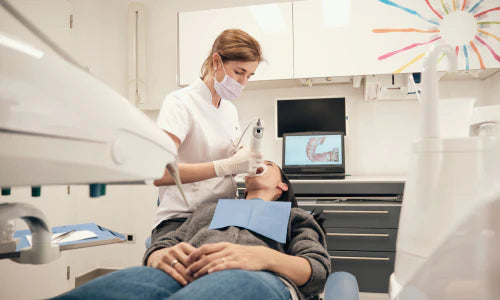
That's why every treatment starts with an assessment, impressions, or a digital scan to map the exact positions of your teeth before creating a personalised series of aligners. If you're considering treatment, Smileie's online Assessment helps determine whether your smile may be suitable before moving to the next stage.
What happens if an aligner feels tight?
A little tightness is usually expected when switching to a new tray.
That's simply the new aligner beginning its next planned stage of movement.
Many people notice:
-
mild pressure for a day or two
-
slight tenderness when biting
-
temporary awareness of the aligners
These sensations typically improve as the teeth begin adapting.
Sharp pain, significant swelling, or prolonged discomfort should always be discussed with your dental provider.
Can clear aligners move every type of tooth problem?
This is where nuance matters.
Many mild to moderate orthodontic concerns respond extremely well to clear aligners.
These commonly include:
-
mild crowding
-
spacing
-
minor rotations
-
small bite corrections
However, some complex orthodontic cases may require additional techniques or different treatment approaches.
Examples can include:
-
severe jaw discrepancies
-
significant bite problems
-
impacted teeth
-
advanced skeletal issues
This isn't a limitation of clear aligners alone, it's about selecting the right treatment for the specific diagnosis.
That's why proper evaluation before treatment is so important.
How does digital treatment planning improve accuracy?
Traditional orthodontics relied heavily on manual adjustments.
Today's aligner systems use sophisticated digital planning to visualise tooth movement before treatment even begins.
Using scans or impressions, specialised software maps every planned stage from your current smile to the desired outcome.
This allows providers to:
-
sequence movements safely
-
avoid conflicting tooth movements
-
estimate treatment timelines
-
create a customised series of aligners
At Smileie, you can also explore How It Works to understand how your treatment progresses from assessment through your personalised aligner plan.
Why do retainers matter after treatment?
Many people think treatment ends when the last aligner comes off.
Biologically, that's only part of the story.
Although your teeth have moved into their new positions, the surrounding tissues continue adapting for some time.
Without retainers, natural forces from the gums, ligaments, and everyday chewing can gradually encourage teeth to drift.
Retainers help stabilize those new positions while the surrounding bone fully remodels. In many ways, they're what protects all the progress you've already made.
The real science is your body's ability to adapt
The remarkable thing about orthodontic treatment isn't actually the aligner.
It's your body's natural ability to reshape bone throughout adulthood.
Clear aligners simply provide carefully controlled guidance for that biological process. When worn consistently and used under appropriate professional planning, they allow predictable tooth movement while respecting the way your body naturally heals and adapts.
That's why successful treatment isn't about forcing teeth into place. It's about working with biology instead of against it.
Frequently Asked Questions
Do clear aligners really move teeth?
Yes. Clear aligners apply gentle, controlled pressure that stimulates the natural remodelling of bone around the teeth. Over time, this allows teeth to shift safely into new positions under a customised treatment plan.
How long does it take for clear aligners to start working?
Many people notice mild pressure within the first day of wearing a new aligner. Visible tooth movement usually becomes noticeable after several weeks, although every treatment progresses at its own pace.
Why do I have to wear aligners for 22 hours a day?
Teeth only move while consistent pressure is being applied. Wearing aligners for 20–22 hours daily helps maintain that pressure and allows bone remodelling to continue as planned, reducing treatment delays.
Can clear aligners fix crowded teeth?
In many cases, yes. Mild to moderate crowding often responds very well to clear aligners. More complex cases may require additional orthodontic techniques, so a professional assessment is essential.
Do clear aligners move teeth faster than braces?
Not necessarily. Treatment speed depends more on the complexity of the case, treatment planning, and how consistently the aligners are worn than on the appliance itself. Both approaches rely on the same biological process.
Is tooth movement with aligners painful?
Most people experience temporary pressure or mild soreness when switching to a new aligner. This usually settles within a day or two and is a normal sign that the next stage of tooth movement has begun.
How do I know if I'm a good candidate for clear aligners?
The best way is through a professional evaluation. Factors such as the position of your teeth, bite, and overall oral health determine whether clear aligners are the right solution for your specific case.

Latest Blog
-
 Sep 22, 2026
At-Home Impression Kit vs. In-Person 3D Scan: Which Should Encino Residents Choose?
Learn More -

-

-


