




 USA
USA Canada
 UK
UK Italy
Italy Sweden
 Australia

Lingual Braces vs Clear Aligners: Hidden vs Invisible – What’s the Real Difference?

Lingual braces vs clear aligners differ mainly in comfort, visibility, and lifestyle impact. Lingual braces are placed behind the teeth (hidden but fixed), while clear aligners are removable, nearly invisible trays that offer greater comfort, easier oral hygiene, and more flexibility. Aligners are ideal for mild to moderate cases, whereas lingual braces suit complex corrections.
If you're exploring discreet teeth-straightening options, you’ve probably come across two popular choices: lingual braces vs clear aligners. Both treatments are designed for people who want a straighter smile without the look of conventional metal braces, but their approach, comfort, effectiveness, and lifestyle impact are very different.
In this in-depth guide, we’ll break down everything you need to know about lingual braces vs aligners, explain how behind-the-teeth braces work, and help you decide which option aligns best with your lifestyle, goals, and timeline.
Smileie has helped thousands of people transform their smiles with convenient, affordable at-home clear aligner treatment. If you’re wondering whether clear aligners can work for you, you can start with our assessment, pricing, how it works, and why Smileie to explore more.
Let’s dive in.
What Are Lingual Braces? (Also Known as Behind-the-Teeth Braces)
Lingual braces are similar to traditional metal braces, but with one major difference, they are fixed behind the teeth, also referred to as behind-the-teeth braces. Because they sit on the inside surface (the lingual side), they remain hidden when you speak or smile.
How They Work
-
Brackets and wires are custom-designed to fit behind each tooth.
-
Orthodontists adjust them every few weeks to shift your teeth into position.
-
Treatment time often ranges from 12–24 months depending on complexity.
Why People Choose Them
-
They are concealed from the outside.
-
Ideal for those who prefer a “fixed” treatment where the orthodontist controls every step.
-
Can treat complex orthodontic issues similar to traditional braces.
However, lingual braces also come with unique challenges such as speech difficulties, tongue irritation, difficulty cleaning, and higher costs.
What Are Clear Aligners?
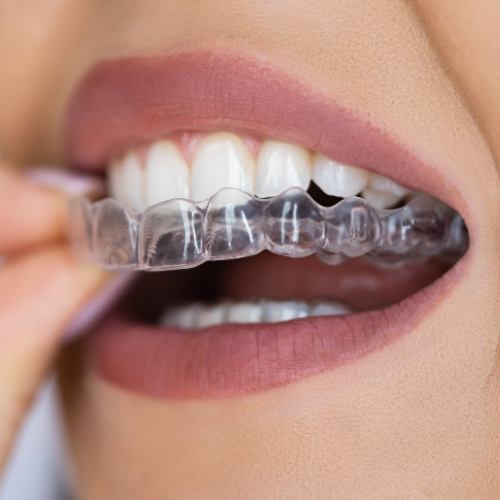
Clear aligners, like the ones offered by Smileie, are transparent, removable trays designed to gradually move your teeth into alignment. They’re nearly invisible, comfortable, and allow you to straighten your teeth discreetly while maintaining your lifestyle.
How Clear Aligners Work
-
A 3D scan or impressions create a customized digital treatment plan.
-
You receive a set of aligners that you change every 10–14 days.
-
The aligners apply controlled pressure to shift your teeth gradually.
Clear aligners are ideal for people looking for a flexible, modern, and pain-reduced orthodontic solution without having to deal with metal brackets or wires.
Lingual Braces vs Clear Aligners: What’s the Real Difference?
Let’s break down the major differences in simple, easy-to-understand pointers (instead of a comparison table):
1. Visibility
-
Lingual braces: Hidden behind the teeth but may cause speech issues.
-
Clear aligners: Almost invisible; most people won’t know you’re wearing them.
2. Comfort
-
Lingual braces: Metal brackets may irritate the tongue and cause sores.
-
Clear aligners: Smooth plastic trays are gentle and comfortable.
3. Oral Hygiene
-
Lingual braces: Harder to brush and floss due to their placement.
-
Clear aligners: Completely removable, making brushing and flossing easier.
4. Eating & Lifestyle
-
Lingual braces: Food restrictions (sticky, hard foods); cleaning is difficult.
-
Clear aligners: Eat anything—just remove your aligners while eating.
5. Speech Changes
-
Lingual braces: May affect speech temporarily and cause lisping.
-
Clear aligners: Very minimal speech changes, if any.
6. Treatment Control
-
Lingual braces: Orthodontist-controlled fixed treatment.
-
Clear aligners: Digital and dentist-monitored treatment with predictable results.
7. Cost
-
Lingual braces: Among the costliest orthodontic treatments.
-
Clear aligners: More affordable, especially with brands like Smileie that offer accessible pricing and remote monitoring.
8. Convenience
-
Lingual braces: Multiple in-clinic visits required.
-
Clear aligners: Fewer visits; Smileie offers remote tracking from home.
Lingual Braces vs Clear Aligners – Which Is Better for You?
Choosing between lingual braces vs clear aligners depends on your unique goals, lifestyle, and oral condition.
Choose Lingual Braces When:
-
You need complex orthodontic correction.
-
You prefer a fully supervised treatment with an orthodontist.
-
You don’t mind discomfort or higher costs.
-
You’re okay with in-clinic visits every 4–6 weeks.
Choose Clear Aligners When:
-
You want a comfortable, lifestyle-friendly treatment.
-
You want minimal disruption to speaking and eating.
-
You want a discreet look without wires or brackets.
-
You prefer an affordable, flexible treatment plan.
-
You want predictable, digital, remotely-monitored orthodontic correction.
Most adults and teens today prefer clear aligners due to comfort, aesthetics, and ease of use. With Smileie, you can start your transformation without stepping out of your home.
Why Smileie Clear Aligners Are the Better Path to a Confident Smile
At Smileie.com, we offer dentist-supervised, custom-designed clear aligners that allow you to straighten your teeth in your own time, at your own comfort, and at a price that fits your budget.
Here’s how we make it easier:
Affordable Pricing
Smileie offers flexible payment options. You can explore our plans on the pricing page.
Dentist-Designed Treatment Plans
Your aligner plan is created and approved by licensed dental professionals.
At-Home Convenience
Start with an online assessment, order your impression kit, and get a complete smile analysis.
Easy Process
Learn everything about the aligner journey on our how it works page.
Trusted, Transparent, and Customer-Focused
Want to know what sets us apart? Visit why Smileie to understand our philosophy, customer experience, and quality promise.
With Smileie, achieving a confident, straighter smile is simple, predictable, and stress-free.
Benefits of Choosing Clear Aligners Over Behind-the-Teeth Braces
If you're still deciding between lingual braces vs clear aligners, here are the most practical advantages of choosing aligners:
-
No mouth sores or tongue irritation
-
Zero food restrictions
-
Virtually invisible
-
Removable anytime
-
Easy to clean
-
Shorter average treatment duration
-
Fewer clinic visits
-
Digital treatment planning ensures predictable outcomes
-
3D before-and-after simulation
-
More affordable than lingual braces and even traditional braces
Smileie clear aligners offer all these benefits while ensuring top-tier clinical oversight so you get the smile you love, without the hassle of wires.
Frequently Asked Questions (FAQs)
1. Are clear aligners faster than lingual braces?
In many cases, yes. Clear aligners often provide faster and more predictable results for mild to moderate cases because of digital planning and targeted tooth movement.
2. Do lingual braces affect speech?
Yes, behind-the-teeth braces may temporarily cause lisping or speech issues. Clear aligners usually have minimal effect on speech.
3. Are clear aligners suitable for complex dental issues?
For complicated cases, orthodontists may recommend braces. However, Smileie handles most mild to moderate alignment issues effectively.
4. Which option is more painful: lingual braces or aligners?
Lingual braces tend to cause more discomfort due to metal brackets rubbing the tongue. Clear aligners are generally more comfortable with mild pressure during each tray change.
5. How do I know if Smileie clear aligners are right for me?
You can begin with our online assessment, where dental professionals determine your eligibility for clear aligner treatment.

Latest Blog
-
 Sep 01, 2026
At-Home Impression Kit vs. Mobile 3D Scan: Which Should Palm Harbor Residents Choose?
Learn More -

-

-


