




 USA
USA Canada
 UK
UK Italy
Italy Sweden
 Australia

5 Signs You're Ready to Start Clear Aligner Treatment

You may have been thinking about straightening your teeth for months or even years. Maybe you catch yourself hiding your smile in photos. Maybe one crowded tooth has started bothering you more than it used to. Or perhaps you've researched clear aligners several times, only to close the tab because you're still not sure whether you're actually ready.
That hesitation is normal. Starting treatment isn't just about wanting straighter teeth. It means deciding whether the timing, commitment, cost, and treatment expectations make sense for your life right now.
Most people reach this point when the question changes from "Would I like straighter teeth?" to "Am I actually ready to do something about it?"
If that sounds familiar, these five signs can help you make a more confident decision.
What Are the Signs You're Ready for Clear Aligners?
The main signs you're ready for clear aligners are that you genuinely want to improve your smile, understand that treatment requires consistent wear, have realistic expectations about results, are prepared for the financial commitment, and are willing to complete an assessment to confirm whether your teeth are suitable for treatment.
1. You've Been Thinking About Your Smile for More Than a Few Weeks
There is a difference between occasionally noticing a crooked tooth and repeatedly thinking about changing your smile.
Maybe you've become more conscious of your teeth during work calls. You might avoid smiling with your teeth in photos, or you've started wondering whether crowding or spacing could become more noticeable over time.
When the thought keeps returning, it's usually worth exploring your options even if you haven't decided to start treatment yet.
This doesn't mean you need to dislike your smile. Many adults who choose teeth aligners aren't looking for a dramatic transformation. They simply want to correct something that has bothered them for a long time.
One of the clearest signs of aligner readiness is that the decision is coming from you rather than pressure from someone else.
2. You're Prepared to Wear Your Aligners Consistently
This is one of the most important parts of any start invisible braces checklist, and it's also where realistic expectations matter.
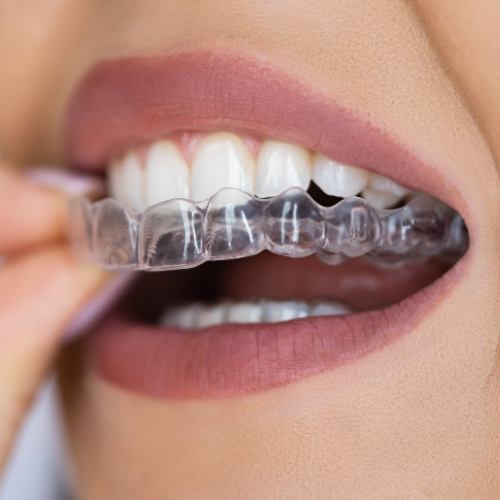
Clear aligners work because they apply controlled pressure to move teeth gradually. That means they need to be worn according to your prescribed treatment plan, typically for most of the day and night, removing them mainly for eating, drinking anything other than water, and oral hygiene.
A common concern we hear is, "What if I forget to wear them?"
Missing a few minutes isn't the issue. The bigger question is whether you can build aligner wear into your normal routine.
Think about an average day. Could you remove your aligners before lunch, brush or clean your teeth afterward, and put them back in? Could you remember them during travel, dinners out, or busy workdays?
You don't need a perfect routine before treatment begins. But you do need to be willing to create one.
If you're already thinking, "Yes, I can make that work," that's a strong sign you're ready.
3. Your Expectations Are About Improvement, Not Perfection
People sometimes begin researching invisible braces expecting treatment to produce an exact smile they've imagined or to guarantee the same result they saw in someone else's before-and-after photo.
Teeth don't work that way.
Your treatment depends on your starting alignment, bite, tooth movement, oral health, and how consistently you follow the prescribed plan. Some cases are relatively straightforward, while others require more complex dental or orthodontic care.
Being ready means understanding that clear aligners are a treatment process, not an instant cosmetic fix.
It also means being willing to find out whether you're actually a suitable candidate rather than assuming aligners can correct every concern.
Smileie's How It Works information can help you understand what happens from your initial assessment through your personalized treatment plan before deciding whether you're comfortable moving forward.
4. You've Thought About the Cost and Want to Understand the Value
For many adults, the biggest hesitation isn't whether they want straighter teeth. It's whether treatment fits their budget.
That's a reasonable concern.
Instead of asking only, "How much do aligners cost?", look at what you're receiving for that price. Consider what is included in the treatment package, how your treatment plan is developed, what support is available during treatment, and whether there are additional costs you should anticipate.
The lowest advertised number isn't automatically the best value if important parts of treatment aren't included.
At the same time, you shouldn't feel pressured to start simply because financing or payment options are available. Look at Smileie's Pricing information, understand the total expected cost, and decide whether the commitment works comfortably within your budget.
If you've moved from avoiding the cost question to actively comparing what you're getting for your money, that's another sign you're approaching the decision thoughtfully.
5. You're Ready to Find Out Whether You're Actually a Candidate
You can research clear aligners for weeks, but eventually there is one question the internet can't answer for you:
Are aligners appropriate for my teeth?
Clear aligners can address many common alignment concerns, including certain types of crowding and spacing. But suitability depends on your individual teeth, bite, dental health, and treatment needs.
That's why the most useful next step isn't necessarily buying treatment. It's getting evaluated.
An Assessment / Scan gives you the information needed to understand whether aligners for teeth may be appropriate and what your treatment could involve.
This is an important distinction. Being ready to explore treatment doesn't mean you've committed to treatment.
It simply means you're ready to replace guesswork with information.
"Am I Ready for Aligners?" A Better Question to Ask Yourself
People often wait for a moment when they suddenly feel 100% certain.
That moment doesn't always come.
A better way to think about aligner readiness is to ask whether you have enough information and enough willingness to take the next sensible step.
You may be ready if you understand that aligners require consistency, you're comfortable with gradual rather than instant results, you've considered the financial commitment, and you're willing to have your teeth assessed before assuming treatment is right for you.
You don't need to know exactly how your smile will look months from now. That's what an assessment and personalized treatment plan are meant to clarify.
The people who tend to feel most comfortable with their decision aren't necessarily the ones who started fastest. They're the ones who understood what treatment required before they started.
Before You Start, Be Honest About Your Routine
There is one final question worth considering:
Can I realistically follow the treatment plan in my everyday life?
Think beyond an ideal week. Consider vacations, long workdays, social events, meals out, and mornings when you're rushing out the door.
If you're willing to keep your aligners with you, follow the wear schedule, maintain good oral hygiene, and stay engaged with your treatment, you've already addressed one of the biggest factors within your control.
If you're not ready for that commitment yet, waiting can be the smarter decision.
And if your answer is yes, the next step isn't to keep researching indefinitely. It's to find out what treatment would actually look like for your teeth.
Frequently Asked Questions About Starting Clear Aligners
How do I know if I'm ready for clear aligners?
You're likely ready when your desire to straighten your teeth is consistent, you understand the daily wear commitment, and you're prepared to follow a treatment plan. An assessment is still needed to determine whether clear aligners are clinically appropriate for your teeth.
How do I know if I'm eligible for clear aligners?
Eligibility depends on factors such as your tooth alignment, bite, oral health, and the complexity of the movements required. Photos, impressions, or a dental scan may be used to evaluate your case before treatment is recommended.
How much do clear aligners cost?
Clear aligner costs vary depending on the provider, treatment package, case requirements, and what's included. Look at the total treatment value rather than comparing advertised prices alone, and check for potential additional costs before committing.
How long does clear aligner treatment take?
Treatment time varies according to the starting position of your teeth, the movements required, and how closely you follow your prescribed wear schedule. Your estimated timeline should be explained after your case has been assessed and a treatment plan created.
Do clear aligners work for everyone?
No. Clear aligners can treat many alignment concerns, but they aren't appropriate for every orthodontic or dental case. More complex bite or tooth-movement problems may require different treatment or in-person orthodontic care.
Are clear aligners better than traditional braces?
Neither option is automatically better for everyone. Clear aligners are removable and less noticeable, while traditional braces can be more appropriate for certain complex cases. The right choice depends on your treatment needs, lifestyle, and professional evaluation.
What should I do before starting clear aligner treatment?
Make sure you understand the expected cost, treatment process, wear requirements, estimated timeline, and what's included in your plan. You should also complete the appropriate assessment so your suitability can be evaluated before beginning treatment.

Latest Blog
-
 Sep 08, 2026
At-Home Impression Kit vs. Mobile 3D Scan: Which Should Newport Beach Residents Choose?
Learn More -

-

-


