



 USA
USA Canada
 UK
UK Italy
Italy Sweden
 Australia

How Smileie Builds Your Treatment Plan for Predictable Results

A Smileie treatment plan is built by taking precise 3D scans of your teeth, mapping each tooth’s movement digitally, and having licensed dental professionals review the plan before aligners are made. The process ensures gradual, controlled shifts designed for safe, predictable results.
Most people don’t worry about aligners. They worry about results.
Will my teeth actually move the way they’re supposed to?
Will the plan work for my specific case?
Is this safe?
Those are valid questions. Orthodontic treatment isn’t just about straightening teeth, it’s about controlled, biologically sound tooth movement. And that starts with how the treatment plan is built.
A well-designed Smileie treatment plan is not a generic digital simulation. It’s a structured process that combines 3D modeling, dental expertise, and movement sequencing to create predictable, measurable progress from start to finish.
Here’s how that works.
The Foundation: Accurate Data Collection
Every predictable orthodontic outcome starts with precise data.
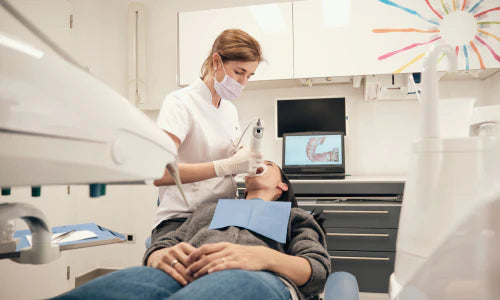
With Smileie, the process begins through the Smileie Scan page, where you either upload clear impressions or complete a digital scan. These scans capture the exact position of each tooth, rotation, spacing, crowding, bite alignment, and arch shape.
This is where clear aligner planning truly begins.
The quality of your impressions or scans directly influences how well your teeth can be mapped. Even a small inaccuracy at this stage can impact movement projections. That’s why careful instructions and review matter so much before any aligners are designed.
Once your records are submitted, licensed dental professionals review them to determine if your case is appropriate for remote aligner treatment. Not every case is suitable, and that screening step protects your results.
Step Two: Digital Modeling and Movement Mapping
After approval, your scans are converted into a 3D digital model of your teeth.
This is where the Smileie treatment plan starts to take shape.
Using specialized orthodontic software, each tooth is isolated and mapped individually. Tooth movement isn’t guessed. It’s calculated in small, controlled increments. Rotations, tipping, bodily movement, and intrusion are carefully sequenced.
Clear aligner planning works best when movements are broken down into safe biological steps. Teeth don’t jump into position overnight. They respond gradually to sustained pressure.
The digital system creates a step-by-step roadmap that guides your teeth from their current position to the desired alignment. Each aligner in the series represents a small stage in that progression.
The Smile Preview: Seeing the Plan Before It Begins
One of the most reassuring parts of the process is the smile preview.
Before manufacturing begins, you receive a 3D visualization showing:
-
Your current smile
-
The projected final alignment
-
The stages in between
This smile preview allows you to understand what changes are planned. It’s not just cosmetic. It reflects the actual tooth movements built into the aligners.
For many people, this is the moment things become real. You can see how gaps close. How crowding reduces. How rotations unwind.
Importantly, the smile preview is based on your approved Smileie treatment plan, not a generic animation. It represents the sequenced digital movements designed specifically for you.
How Predictability Is Built Into the System
Predictability in orthodontics comes from three core principles:
-
Controlled force
-
Proper staging
-
Patient compliance
The Smileie treatment plan is designed around these principles.
Each aligner is engineered to apply calibrated pressure. The forces are intentional, not excessive. When movements are staged correctly, teeth shift in response to consistent wear (typically 20–22 hours per day).
Skipping aligners, switching too quickly, or inconsistent wear can disrupt the plan. That’s why adherence matters. The system works when the biology and the schedule stay aligned.
Clear aligner planning is not about speed. It’s about controlled progression.
Professional Oversight Behind the Scenes
One common misconception about remote aligners is that they’re entirely automated. They’re not.
Each Smileie treatment plan is reviewed and approved by licensed dental professionals before aligners are fabricated. That review ensures:
-
Movements are realistic
-
The case is appropriate for remote treatment
-
The bite relationship remains balanced
-
There are no red flags requiring in-office care
This layer of oversight is essential. It bridges digital technology with clinical judgment.
If you’re curious about Smileie’s standards and approach to quality, the Why Smileie page explains how the company prioritizes safety, transparency, and outcome-focused planning.
Manufacturing With Precision
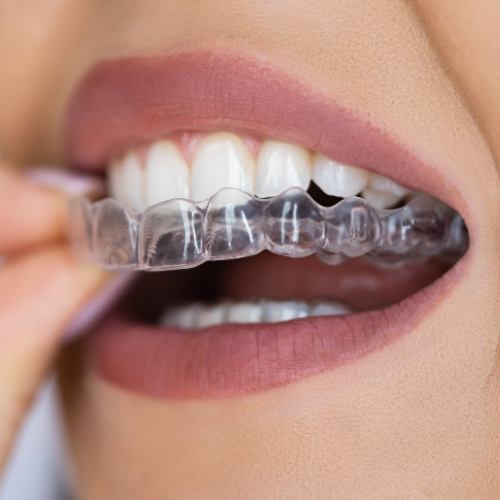
Once approved, aligners are fabricated using medical-grade, BPA-free thermoplastic material. They’re trimmed for comfort and designed to fit snugly against each tooth surface.
Fit matters more than most people realize.
If an aligner fits correctly, the programmed force is delivered properly. If it doesn’t, the intended movement may not occur as predicted.
That’s why accuracy at every step, scan, design, review, production, supports the reliability of the Smileie treatment plan.
Monitoring Progress During Treatment
Predictable results aren’t just about the beginning. They depend on progress tracking.
Throughout treatment, Smileie monitors your case remotely. You may be asked to submit photos at intervals to confirm teeth are tracking as planned.
If adjustments are needed, refinement aligners can be designed. This flexibility is part of modern clear aligner planning. Teeth are biological structures, and biology sometimes requires minor recalibration.
The How It Works page outlines this entire flow clearly, from assessment to refinements and retention.
What Makes a Treatment Plan “Good”?
Patients often ask how they can judge whether a plan is well designed.
A strong Smileie treatment plan will:
-
Address crowding or spacing methodically
-
Maintain functional bite alignment
-
Avoid unrealistic movement claims
-
Show realistic staging in the smile preview
-
Include retention planning after completion
Orthodontics doesn’t end when teeth look straight. Retainers are essential to preserve the final result. A plan that doesn’t account for retention isn’t truly complete.
Common Concerns at the Decision Stage
“How do I know this will work for me?”
Suitability is determined during the initial assessment. Mild to moderate crowding and spacing cases respond very well to aligner-based treatment.
If your case requires complex bite correction or significant skeletal changes, you may be advised to seek in-office orthodontic care instead.
“Is remote treatment safe?”
When properly screened and professionally reviewed, clear aligner planning can be both safe and effective for appropriate cases. Compliance plays a major role in outcomes.
“What about cost?”
Cost often influences timing. Many people compare options before committing.
Smileie’s pricing page provides transparent breakdowns, helping you understand what’s included, from aligners to monitoring to retainers. Value isn’t just about price. It’s about predictable results without unnecessary add-ons.
Why Planning Matters More Than Marketing
Clear aligners are not magic trays. They are medical devices programmed to move teeth in calculated stages.
The difference between frustration and satisfaction usually comes down to how carefully the plan was built.
The Smileie treatment plan focuses on structure before speed. Digital accuracy before manufacturing. Professional review before approval.
If you’re considering treatment, the next logical step is starting with the Smileie Scan page or completing the Assessment page to determine eligibility.
When planning is done correctly, results follow naturally.
FAQs
1. How long does a Smileie treatment plan take to complete?
Most cases range from 4 to 8 months, depending on the level of crowding or spacing. Your timeline is determined during clear aligner planning after your scans are reviewed.
2. Can I see my results before committing?
Yes. You’ll receive a smile preview showing projected results before aligners are manufactured. This allows you to review the expected outcome in advance.
3. Is the smile preview exactly how my teeth will look?
It represents a realistic projection based on your digital plan. Final results depend on wearing aligners as directed and following the recommended schedule.
4. What if my teeth don’t move as expected?
If minor tracking issues occur, refinement aligners can be designed to fine-tune your results. Monitoring is part of the Smileie treatment plan process.
5. Are Smileie aligners safe?
They are made from medical-grade, BPA-free materials and designed under professional supervision for approved cases.
6. Do I need to visit a dentist during treatment?
Routine dental checkups are always recommended for overall oral health. However, the Smileie treatment plan itself is managed remotely once your case is approved.
7. How do I know if I’m eligible for clear aligners?
The best way is to complete the Assessment page or submit your scans through the Smileie Scan page. A licensed professional will review your case to determine suitability.

Latest Blog
-
 Sep 01, 2026
At-Home Impression Kit vs. Mobile 3D Scan: Which Should Palm Harbor Residents Choose?
Learn More -

-

-


