



 USA
USA Canada
 UK
UK Italy
Italy Sweden
 Australia

Why More Americans Are Choosing At-Home Clear Aligners in 2026

At-home clear aligners in the USA are becoming more popular because they offer a convenient, discreet, and often more affordable way to straighten teeth. Advances in remote orthodontics allow licensed dental professionals to monitor treatment digitally, reducing the need for frequent in-office visits while still maintaining clinical oversight.
A few years ago, straightening your teeth almost always meant regular orthodontic visits, metal braces, and long waiting room appointments.
In 2026, that picture looks very different.
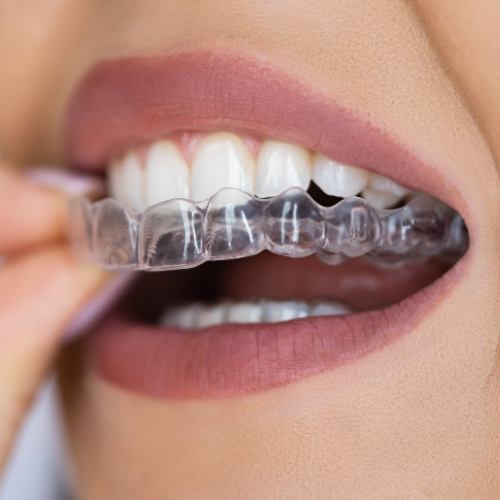
Millions of Americans are now exploring at-home clear aligners in the USA as a more flexible way to improve their smiles without disrupting work, parenting, travel, or daily life. What once seemed like a niche alternative has become a mainstream orthodontic option for adults and teens with mild to moderate alignment concerns.
But why is this shift happening now?
The answer goes beyond convenience. Advances in digital scanning, treatment planning, and remote monitoring have changed how orthodontic care can be delivered safely and effectively.
The Biggest Shift: Orthodontics Is Becoming More Accessible
Traditional orthodontic treatment works well, but for many Americans, the process itself can feel difficult to manage.
People often delay treatment because of:
-
Busy work schedules
-
Childcare responsibilities
-
Long commutes
-
High treatment costs
-
Anxiety about braces
-
Difficulty finding time for appointments
At-home aligner systems changed the conversation by removing many of these barriers.
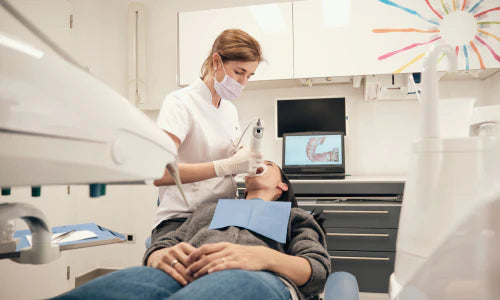
Instead of visiting a clinic every few weeks, patients can now complete much of the process remotely while still being overseen by dental professionals through modern remote orthodontics in the USA.
Think of it like the difference between traditional banking and mobile banking. The core service still exists, but technology has made access simpler and more convenient.
Why Clear Aligners Appeal to Adults More Than Ever
Adults now make up a large percentage of orthodontic patients in the United States.
One reason is visibility.
Many adults avoided braces for years because they didn’t want metal brackets affecting their appearance at work or in social settings. Clear aligners solved that problem by offering a nearly invisible treatment option.
But appearance is only part of the story.
Adults also appreciate that aligners are removable. That means they can:
-
Eat normally
-
Brush and floss more easily
-
Avoid food restrictions
-
Maintain professional confidence
-
Continue daily routines with fewer interruptions
For many people, treatment feels less like a major lifestyle change and more like a manageable habit.
The Rise of Remote Orthodontics in the USA
The growth of telehealth influenced nearly every healthcare industry, including orthodontics.
Today’s remote orthodontics in the USA relies on digital tools that allow providers to evaluate progress without requiring constant in-person visits.
This doesn’t mean treatment happens without supervision.
In reputable systems, licensed dental professionals still review cases, create treatment plans, and monitor tooth movement throughout the process.
The difference is that technology handles communication and tracking more efficiently.
Patients may upload progress photos, receive digital updates, or communicate with support teams online instead of traveling to a clinic repeatedly.
For many Americans, especially those in rural areas or busy cities, that convenience matters enormously.
Technology Has Improved Dramatically
One major misconception is that at-home aligners are “basic” or less advanced than traditional orthodontic systems.
In reality, the technology behind clear aligners has evolved significantly.
Modern treatment planning uses:
-
3D imaging
-
Digital modeling
-
AI-assisted simulations
-
Precision manufacturing
-
Progressive aligner staging
This allows providers to map tooth movement gradually and predictably.
A helpful analogy is GPS navigation.
Years ago, directions were static and less adaptive. Today, navigation systems constantly adjust based on real-time information. Modern aligner planning works similarly, treatment can be monitored and refined using digital feedback throughout the process.
Many providers now use digital impressions or a professional smile evaluation process instead of older molding techniques. Some patients complete a physical impression kit at home, while others begin with a professional 3D Scan for more precise imaging.
Americans Are Becoming More Cost-Conscious
Cost remains one of the biggest reasons people delay orthodontic treatment.
Traditional braces or in-office aligners can sometimes cost several thousand dollars more than remote treatment models.
At-home clear aligners in the USA have gained attention because they often reduce expenses tied to:
-
Frequent office visits
-
Physical clinic overhead
-
Chair time
-
Multiple adjustment appointments
That doesn’t automatically make every system equal in quality, but it has made orthodontic care financially accessible to more people.
For many families, affordability turns smile correction from a “someday” goal into something realistic now.
Convenience Is No Longer a Luxury, It’s an Expectation
Consumer behavior changed rapidly over the last decade.
People now expect convenience in nearly every service:
-
Grocery delivery
-
Virtual healthcare
-
Online banking
-
Remote work
-
Telemedicine
Orthodontics is following the same pattern.
Patients increasingly prefer treatment systems that fit into their lives instead of forcing their lives around treatment schedules.
This is especially important for:
-
Parents balancing family responsibilities
-
Professionals with demanding schedules
-
College students
-
People who travel frequently
-
Residents in areas with limited orthodontic access
At-home aligners match modern expectations around flexibility and time efficiency.
Are At-Home Clear Aligners Safe?
This is one of the most common concerns people search online.
The answer depends heavily on the provider and the complexity of the case.
Clear aligners can be effective for many mild to moderate orthodontic concerns, including:
-
Crowding
-
Spacing
-
Minor bite irregularities
-
Mild relapse after braces
However, severe orthodontic cases may still require traditional in-office treatment.
The safest approach is proper case evaluation before treatment begins.
Responsible providers screen patients carefully and determine whether remote treatment is appropriate. That evaluation process matters far more than whether treatment begins at home or in a clinic.
Why Patients Care More About Comfort in 2026
Orthodontic expectations have changed.
Patients today are not only asking, “Will this work?”
They are also asking:
-
“Will this fit my lifestyle?”
-
“Will treatment feel manageable?”
-
“Can I avoid constant appointments?”
-
“Will people notice?”
Clear aligners address many of those concerns simultaneously.
Compared to traditional braces, aligners generally involve:
-
Less irritation from brackets and wires
-
Fewer emergency visits
-
Easier oral hygiene
-
Greater dietary freedom
-
More discreet treatment
That overall experience plays a major role in rising adoption.
Trust Still Matters More Than Marketing
As demand grows, patients are becoming more informed.
People no longer choose orthodontic treatment based only on advertisements. They research:
-
Provider oversight
-
Clinical support
-
Treatment transparency
-
Customer experience
-
Monitoring process
-
Safety protocols
This is where trust becomes essential.
Patients want reassurance that real professionals are involved in their treatment journey and that support is available if questions arise.
That’s one reason many brands now emphasize education and treatment transparency alongside convenience.
The Future of Orthodontics Is Likely Hybrid
The future probably won’t be “traditional orthodontics versus remote orthodontics.”
Instead, the industry is moving toward hybrid care models that combine:
-
Digital monitoring
-
Remote communication
-
Professional oversight
-
Select in-office support when necessary
This approach gives patients more flexibility while still maintaining clinical structure.
For many Americans, that balance feels like the best of both worlds.
If you’re exploring how treatment works, understanding the evaluation and monitoring process is often the most important first step, not simply comparing prices.
Final Thoughts
The growing popularity of at-home clear aligners in the USA reflects a bigger shift in healthcare overall: people want treatment that is effective, flexible, and easier to fit into everyday life. With improvements in digital treatment planning and remote orthodontics in the USA, more Americans now have access to smile correction without the traditional barriers that once discouraged them from starting.
The most important step is choosing a treatment approach that matches your specific dental needs and is backed by proper professional oversight. Take this personalized assessment which can help you determine whether clear aligners are the right option for your smile goals.
At Smileie, the process is designed to make that first step simple and informative. From the initial smile assessment to remote treatment monitoring, the focus is on helping patients better understand their alignment needs while making orthodontic care more accessible, comfortable, and manageable for modern lifestyles.
FAQs
Are at-home clear aligners effective?
Yes, at-home clear aligners can be effective for mild to moderate alignment issues when treatment is properly planned and monitored by licensed dental professionals.
How does remote orthodontics work in the USA?
Remote orthodontics allows providers to evaluate, plan, and monitor treatment digitally. Patients typically submit impressions, scans, or progress photos while communicating online throughout treatment.
Are clear aligners better than braces?
It depends on the case. Clear aligners are popular because they are removable and discreet, but severe orthodontic issues may still require braces or in-office treatment.
How long do at-home aligners take to work?
Treatment time varies based on complexity, but many mild to moderate cases take between 4 and 12 months.
Are at-home clear aligners safe?
They can be safe when prescribed and monitored appropriately. Proper screening and professional oversight are important for successful treatment.
Why are more adults getting clear aligners now?
Adults often prefer clear aligners because they are discreet, removable, and fit more easily into professional and social lifestyles.
Do at-home aligners cost less than traditional braces?
In many cases, yes. Remote treatment models often reduce costs associated with repeated office visits and clinic overhead, making treatment more affordable for many patients.

Latest Blog
-
 Sep 22, 2026
At-Home Impression Kit vs. In-Person 3D Scan: Which Should Encino Residents Choose?
Learn More -

-

-


