




 USA
USA Canada
 UK
UK Italy
Italy Sweden
 Australia

Why Do My Aligners Feel Tight on the First Day? Normal vs Not-Normal Discomfort

It’s normal if your clear aligners feel too tight on the first day, that snug pressure is usually your teeth starting to shift, especially with a new tray. Mild soreness, tightness, or pressure for 1–3 days is common. It’s not normal if you have sharp pain, bleeding gums, aligners that won’t fully seat after a day or two, new cracks, or a bite that suddenly feels “off.” To improve comfort, wear aligners 20–22 hours, switch trays at night, use chewies, stay hydrated, and avoid removing them too often. If symptoms worsen or you can’t seat the tray, complete the Smileie assessment, or book a Smileie Scan to check fit.
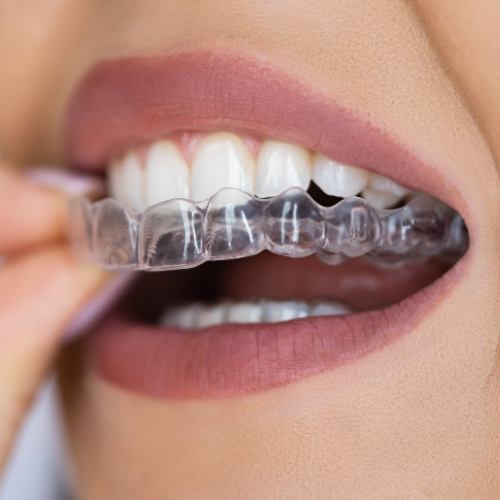
Putting in a fresh tray can feel like your teeth suddenly got “smaller.” If your clear aligners feel too tight on the first day, you’re not alone, and in most cases, it’s a good sign. That snug, controlled pressure is how aligners guide your teeth into the next planned position.
Still, there’s a line between normal adjustment pressure and a fit problem that needs attention. Let’s break down what’s expected, what’s not, and how to make your first-day wear a lot more comfortable, especially when you’re starting a new set.
Why new aligners feel tighter on Day 1
Every new tray is designed to be slightly different from the last. That’s why clear aligners feel too tight right after you switch. Your teeth haven’t moved into the new position yet, so the tray needs to “encourage” the movement.
This is also why people describe aligner pressure first tray as the most noticeable. Early in treatment, your mouth is still learning the routine, your teeth are beginning their first shifts, and the sensation can feel intense, even if everything is perfectly normal.
If you’re considering aligners or just starting treatment, you can explore your options on the Smileie Pricing page and understand the full journey on the How It Works page.
Normal discomfort vs not-normal discomfort
What’s normal (and common)
In most cases, when aligner pain is normal, it looks like this:
-
Tightness or pressure for the first 24–72 hours after switching trays
-
Mild soreness when biting, especially on day one
-
A “full” feeling around the teeth (like gentle aching)
-
Slight tenderness at the gumline as your mouth adapts
-
Pressure that improves each day (not worse)
This is typical “movement pressure,” and it’s especially common when clear aligners feel too tight after a tray change.
What’s not normal (red flags)
Not-normal discomfort usually signals aligner fit issues or irritation that needs a fix. Watch for:
-
Sharp, stabbing pain (not just pressure)
-
Bleeding gums or cuts that don’t improve
-
Aligners that won’t seat fully even after 24–48 hours
-
A tray that looks warped, cracked, or uneven
-
Severe headaches, jaw pain, or a bite that suddenly feels wrong
-
Pain that gets worse after day two
If any of these happen, don’t “push through.” Persistent aligner fit issues can slow progress and create unnecessary soreness.
If you’re unsure, the fastest way to confirm fit is to complete the Smileie Assessment page and schedule a Smileie Scan, both help verify that your trays are tracking properly and your plan still matches your tooth movement.
Why the first tray can feel the strongest
Many patients say aligner pressure first tray is more noticeable than later trays. That’s normal for a few reasons:
-
Your teeth are starting movement for the first time
-
Your mouth isn’t used to the plastic edges yet
-
You may be wearing aligners for longer continuous hours for the first time
-
The initial shift can feel dramatic even if it’s tiny in millimeters
So if clear aligners feel too tight during your first week, it doesn’t automatically mean something is wrong. It often means your aligners are doing their job.
How to tell if your tray fits correctly
A good fit feels snug, but it also looks right. Here are quick checks to spot aligner fit issues:
-
The aligner sits flush with minimal gaps
-
No major “air space” near the chewing surface
-
It doesn’t pop off when you speak
-
It seats more comfortably after a few hours of wear
-
Using chewies improves the fit within a day
If gaps remain large or the aligner won’t seat at all, that’s a stronger sign of aligner fit issues, not normal pressure.
Aligner comfort tips that actually work
If clear aligners feel too tight, try these practical aligner comfort tips (most people feel relief quickly):
-
Switch trays at night
Put the new tray in before bed so you sleep through the peak pressure. This is one of the best aligner comfort tips. -
Use chewies for 5–10 minutes
This helps seat the tray properly and reduces aligner fit issues. -
Wear them consistently (20–22 hours/day)
The more you remove them, the more “tight” they feel each time you put them back in. Consistency reduces the “first day” intensity. -
Cold water + hydration
Staying hydrated can reduce irritation and keep your mouth comfortable. Avoid hot drinks while wearing trays. -
Manage edges safely
If a corner rubs, dental wax can help temporarily. If it keeps cutting your gums, that’s likely more than normal pressure, possible aligner fit issues. -
Soft foods on day one
Choose softer meals when aligner pressure first tray hits hardest. -
Only remove aligners when needed
Frequent removal makes the “tight” sensation repeat. This is a small habit that makes a big difference.
If you want to confirm you’re on the right plan and timeline, refer to Smileie How It Works and compare options on the Pricing page, then complete your Assessment for personalized guidance.
When you should contact support or get checked
Here’s a simple rule: when aligner pain is normal, it improves daily. If pain stays the same or worsens after day 2–3, treat it as a fit or tracking concern.
It’s time to check in if:
-
Clear aligners feel too tight and won’t seat after 48 hours
-
You suspect aligner fit issues (gaps, popping off, uneven seating)
-
You see gum cuts or ulcers forming
-
You can’t wear them for the required hours due to pain
A Smileie Scan can quickly confirm whether the tray is tracking correctly, and the Assessment page helps your team understand your symptoms and next steps.
FAQs
-
Is it normal that clear aligners feel too tight on the first day?
Yes, tightness and pressure are common for 1–3 days after switching trays. -
How long does first-day aligner pressure last?
Most people feel improvement within 24–72 hours, especially with consistent wear. -
What should I do if my aligners won’t fully seat?
Use chewies and wear them consistently. If gaps remain after 48 hours, it may be aligner fit issues. -
Why does my first tray hurt more than others?
Aligner pressure first tray is often stronger because your teeth and mouth are adjusting to the process. -
Can tight aligners damage my teeth?
Proper aligners apply controlled force. Sharp pain, worsening symptoms, or poor seating can signal aligner fit issues. -
Do I switch aligners in the morning or at night?
Night is usually better, one of the most effective aligner comfort tips for day-one pressure. -
When should I worry about aligner pain?
If pain is sharp, causes bleeding, worsens after day two, or the tray won’t seat—these are signs it’s not the typical “when aligner pain is normal” scenario.

Latest Blog
-
 Sep 22, 2026
At-Home Impression Kit vs. In-Person 3D Scan: Which Should Encino Residents Choose?
Learn More -

-

-


