




 USA
USA Canada
 UK
UK Italy
Italy Sweden
 Australia

Everything You Need to Know Before Starting Clear Aligners in the USA

Clear aligners are custom-made transparent trays that gradually move teeth into better alignment. They are removable, comfortable, and suitable for many mild to moderate orthodontic issues when worn for 20 to 22 hours each day under a personalized treatment plan.
Thinking about straightening your teeth but not sure where to begin?
You're not alone. Many adults and teens spend weeks comparing treatment options, reading reviews, and wondering whether clear aligners will actually work for their smile. Questions about cost, comfort, treatment time, and whether they're as effective as braces are completely normal.
The good news is that today's clear aligner technology has made orthodontic treatment more accessible than ever. But starting treatment isn't simply about ordering a set of trays. Understanding how the process works and what to expect can help you make a confident, informed decision.
This article explains everything you should know before beginning treatment, from how aligners move teeth to daily wear, maintenance, and who makes the best candidate.
What Are Clear Aligners?
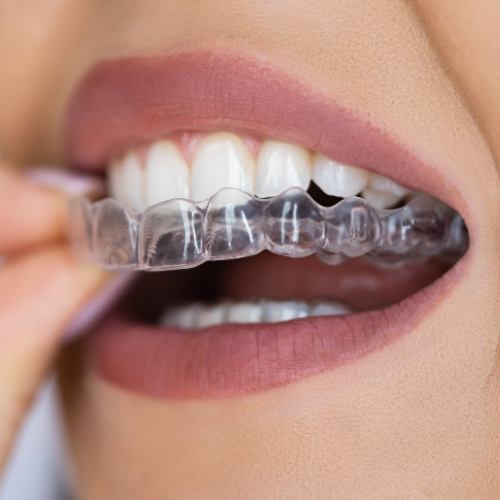
Clear aligners are transparent, removable orthodontic trays designed to gently reposition your teeth over time.
Unlike traditional braces that rely on brackets and wires, aligners fit closely over your teeth and apply controlled pressure. Every one to two weeks, you switch to a new set that continues moving your teeth according to your treatment plan.
Because they're custom-made from digital impressions or 3D scans, every tray is designed specifically for your smile.
Many people also refer to them as:
-
Teeth aligners
-
Invisible braces
-
Clear trays
-
Orthodontic aligners
Although these names are often used interchangeably, they all describe the same modern approach to straightening teeth.
How Do Teeth Aligners Actually Move Your Teeth?
Teeth aren't fixed permanently inside your jawbone.
Instead, they're supported by a living ligament and surrounded by bone that constantly adapts to gentle pressure.
Think about moving a bookshelf across a room. You wouldn't shove it several feet all at once. Instead, you'd move it a little, reposition yourself, and continue until it reaches the right place.
Orthodontic tooth movement works similarly.
Each aligner moves specific teeth by tiny fractions of a millimeter. As gentle pressure is applied:
-
Bone gradually dissolves where space is needed.
-
New bone forms behind the moving tooth.
-
The tooth slowly settles into its new position.
This biological remodeling process takes time, which is why changing aligners too quickly doesn't speed up treatment.
Who Is a Good Candidate for Invisible Braces?
One of the biggest misconceptions is that aligners work for everyone.
The reality is more nuanced.
Most people with mild to moderate orthodontic concerns are excellent candidates, including:
-
Crowded teeth
-
Small spacing or gaps
-
Mild overbite
-
Mild underbite
-
Crossbite
-
Relapse after previous braces
-
Minor bite adjustments
However, some complex orthodontic cases involving severe jaw discrepancies or significant tooth movement may require braces or a combination of treatments.
That's why every treatment should begin with a professional evaluation rather than guessing based on online photos.
What Happens Before Treatment Starts?
Starting treatment involves much more than receiving your first trays.
A proper evaluation typically includes:
Smile Assessment
Your orthodontic provider reviews your teeth, bite, oral health, and treatment goals.
Digital Scan or Impression
Instead of messy traditional molds, many providers now use a comfortable Scan to create an accurate 3D model of your teeth.
Treatment Planning
Specialized software maps every planned tooth movement from your current smile to the expected final result.
Aligner Manufacturing
Once the treatment plan is approved, your custom aligners are fabricated specifically for your teeth.
Understanding How It Works before starting helps set realistic expectations and prepares you for each stage of treatment.
How Long Does Treatment Usually Take?
Treatment time depends on how much movement your teeth need.
General timelines include:
-
Minor corrections: 4 to 6 months
-
Moderate cases: 6 to 12 months
-
More comprehensive treatment: 12 to 18 months
Remember that every smile is different.
Wearing aligners consistently has a much greater impact on treatment length than simply hoping things move faster.
How Many Hours Per Day Should You Wear Aligners?
This is one of the biggest factors influencing success.
Most orthodontists recommend wearing aligners for 20 to 22 hours each day.
They should only be removed for:
-
Eating
-
Drinking beverages other than water
-
Brushing
-
Flossing
Occasionally forgetting isn't usually a problem.
Repeatedly leaving aligners out for several hours each day, however, can delay progress and may require wearing each tray longer.
Do Clear Aligners Hurt?
Pain is probably the wrong word.
Most people experience pressure rather than sharp pain.
When switching to a new tray, it's common to notice:
-
Tightness
-
Mild soreness
-
Increased pressure for one or two days
This sensation is actually a sign that the aligners are working. Most patients adjust quickly, and discomfort usually fades within a few days.
Eating and Drinking With Aligners
One major advantage over braces is flexibility.
Before meals, simply remove your aligners.
This means you can continue enjoying foods that often become difficult with traditional braces, including:
-
Apples
-
Nuts
-
Popcorn
-
Pizza
-
Steak
However, aligners should not be worn while consuming hot beverages, coffee, sugary drinks, or wine because heat can warp the trays and colored drinks may stain them.
Water is always safe.
Daily Cleaning Is Simpler Than Most People Expect
Keeping aligners clean doesn't require expensive products.
Most people maintain them by:
-
Rinsing after removal
-
Brushing gently with a soft toothbrush
-
Using lukewarm water
-
Cleaning before placing them back into the mouth
Avoid using hot water because it can alter the shape of the trays. Good oral hygiene is equally important.
Brush and floss before putting your aligners back in to reduce plaque buildup and help keep your teeth healthy throughout treatment.
Will People Notice You're Wearing Aligners?
For most adults, this is one of the biggest reasons for choosing aligners. Because they're made from clear plastic and fit closely over your teeth, they're far less noticeable than metal braces.
Friends, coworkers, or classmates often don't realize someone is wearing aligners unless they're told.
That said, small attachments bonded to certain teeth may be used in some cases to improve tooth movement. These are tooth-colored and generally blend in well.
Common Myths About Clear Aligners
Myth: They work faster than braces.
Treatment speed depends on your individual case, not simply the appliance being used.
Myth: You can wear them only at night.
Consistent daily wear is essential. Night-only wear usually won't produce planned results unless you're using retainers after treatment.
Myth: They're only cosmetic.
Properly aligned teeth may also improve bite function, oral hygiene, and long-term dental health.
Myth: Every online aligner treatment is the same.
Treatment quality depends on careful planning, appropriate case selection, regular monitoring, and personalized support throughout the process.
Questions to Ask Before Choosing an Aligner Provider
Choosing the right provider is just as important as choosing aligners themselves.
Consider asking:
-
Am I a suitable candidate?
-
How will my treatment be monitored?
-
What happens if my teeth don't track as planned?
-
Are retainers included afterward?
-
What kind of support is available during treatment?
-
How are treatment refinements handled?
Clear answers to these questions often indicate a provider with a well-structured treatment process.
Life After Treatment
Finishing treatment doesn't mean your teeth stop moving. Teeth naturally shift throughout life. That's why retainers are recommended after completing orthodontic treatment.
Wearing retainers as instructed helps preserve your new smile for years to come and protects the time and effort you've invested.
Choosing the Right Path to Your New Smile
Starting orthodontic treatment is a decision that goes beyond appearance. It's about improving your bite, supporting long-term oral health, and feeling more confident every time you smile.
The best results come from understanding the process before you begin, wearing your aligners consistently, and following a treatment plan designed specifically for your needs.
If you're looking for a provider that combines personalized treatment planning, remote monitoring, and expert-guided care, the Why Smileie page is worth exploring. With customized clear aligner treatment designed around your smile and lifestyle, the process is made simple, convenient, and easy to follow from start to finish.
Frequently Asked Questions
1. Are clear aligners as effective as braces?
For many mild to moderate orthodontic cases, clear aligners can achieve results comparable to traditional braces when worn consistently. More complex cases may still benefit from braces or a combination of treatments.
2. How many hours should I wear my teeth aligners each day?
Most treatment plans recommend wearing teeth aligners for 20 to 22 hours daily. They should only be removed for eating, drinking anything other than water, brushing, and flossing.
3. Can I eat while wearing invisible braces?
No. Invisible braces should be removed before eating or drinking anything besides water to prevent damage, staining, and trapped food particles.
4. How often do I change my aligners?
Most patients change to a new set of aligners every one to two weeks, depending on their personalized treatment plan and their provider's recommendations.
5. Do clear aligners affect speech?
Some people notice a slight lisp for the first few days, but most adjust quickly as their tongue becomes accustomed to the aligners.
6. What happens if I forget to wear my aligners?
Missing several hours occasionally may not significantly affect treatment, but frequent missed wear can delay progress and prevent teeth from tracking properly.
7. Will I need retainers after finishing clear aligners?
Yes. Retainers help maintain your new smile by preventing natural tooth movement after treatment is complete. Following your provider's retainer instructions is essential for long-lasting results.

Latest Blog
-

-
 Sep 08, 2026
At-Home Impression Kit vs. Mobile 3D Scan: Which Should Newport Beach Residents Choose?
Learn More -

-


