



 USA
USA Canada
 UK
UK Italy
Italy Sweden
 Australia

Clear Aligners vs In-Clinic Treatments: Convenience vs Supervision Explained

A lot of people don’t start their teeth-straightening journey because they suddenly love orthodontics. They start because they caught themselves hiding their smile in photos. Or because their bottom teeth have started shifting more over the years. Or maybe they’re finally ready to fix something they’ve thought about since college.
Then comes the real question: Should you go with clear aligners you manage from home, or work directly with an orthodontist through in-clinic treatment? For many adults in the USA, this decision isn’t just about straight teeth. It’s about time, flexibility, comfort, confidence, and how involved they want a professional to be throughout the process.
Quick Answer: Are At-Home Aligners Better Than In-Clinic Treatment?
At-home clear aligners are usually more convenient and affordable for mild to moderate alignment issues, while in-clinic treatments offer more hands-on supervision for complex dental cases. The right option depends on your teeth, lifestyle, comfort level, and how much direct orthodontic oversight you want during treatment.
Why This Choice Feels So Difficult
Most people comparing orthodontic options in USA quickly notice something frustrating: every treatment claims to be “the best.”
But the better question is actually:
What type of treatment fits your life and your dental needs?
Someone juggling work, parenting, or travel may value convenience above all else. Another person with bite problems or previous dental work may feel more comfortable seeing an orthodontist regularly.
Neither choice is automatically wrong. The key is understanding the trade-off between convenience and supervision.
What Are At-Home Clear Aligners?
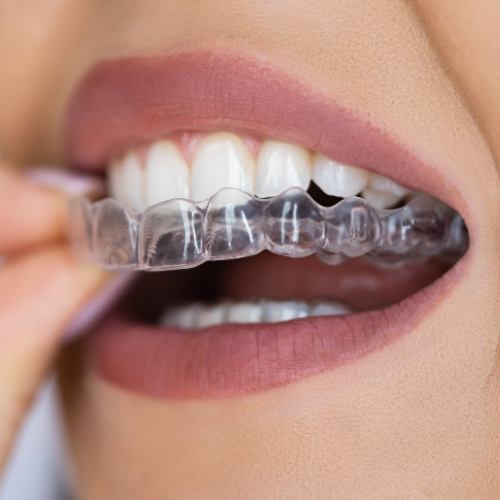
At-home clear aligners are custom trays designed to gradually move teeth without requiring frequent office visits.
The process usually includes:
-
An online assessment or impression kit
-
A digital treatment preview
-
A series of removable aligners
-
Remote monitoring throughout treatment
People often search for “at home vs dentist aligners” because they want straighter teeth without constantly scheduling appointments.
And honestly, that’s understandable.
Traditional orthodontic visits can be difficult to fit into everyday life, especially for adults working full-time or living far from clinics.
Many modern teeth aligners are designed around flexibility. You wear them at home, at work, while traveling, basically everywhere except when eating or drinking anything besides water.
If you're curious about the treatment process itself, Smileie’s How It Works page breaks down what the experience typically looks like from start to finish.
What In-Clinic Orthodontic Treatment Looks Like
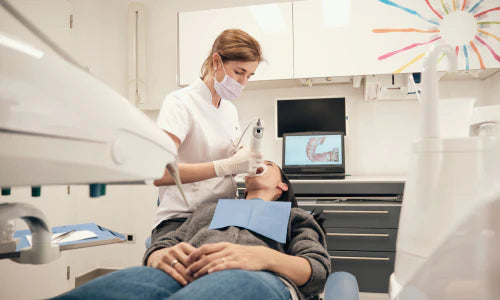
In-clinic treatment involves regular appointments with an orthodontist in the USA who monitors tooth movement in person.
This can include:
-
Clear aligners managed by a clinic
-
Ceramic braces
-
Metal braces
-
Attachments or additional dental adjustments
-
Bite correction monitoring
For some patients, that level of supervision feels reassuring.
You’re sitting with someone face-to-face, asking questions in real time, and having adjustments made when necessary.
This is especially important for:
-
Complex bite issues
-
Significant crowding
-
Rotated teeth
-
Jaw alignment concerns
-
Cases requiring additional dental procedures
In other words, some smiles genuinely need more clinical involvement.
The Biggest Difference: Lifestyle Impact
This is where the decision becomes personal.
At-Home Aligners Fit Around Your Schedule
A remote aligner system appeals to people who want treatment without reorganizing their lives around appointments.
Think about someone who:
-
Travels frequently for work
-
Lives in a smaller town
-
Has unpredictable hours
-
Doesn’t want monthly clinic visits
-
Feels anxious about dental offices
For them, convenience isn’t a luxury, it’s the reason treatment becomes possible at all.
A lot of adults delay orthodontic treatment for years because they assume it will disrupt their routine too much.
Remote teeth aligners changed that expectation.
In-Clinic Treatment Offers More Direct Oversight
Now imagine someone who feels nervous managing treatment remotely.
Maybe they’ve had dental complications before. Maybe they simply feel better knowing an orthodontist is physically checking progress every few weeks.
That peace of mind matters too.
For some people, regular supervision reduces anxiety and helps them stay confident throughout treatment.
Cost Is Usually Part of the Conversation
Even when people say cost “isn’t the main factor,” it usually matters somewhere in the decision-making process.
In-clinic orthodontic treatment in the USA often costs more because it includes:
-
Office visits
-
Chair time
-
In-person adjustments
-
Clinical overhead
At-home aligners are generally more affordable because the process is streamlined and remote.
That doesn’t mean cheaper automatically equals better. But it does make treatment more accessible for many adults who previously couldn’t justify orthodontic costs.
If you’re comparing value and pricing structures, Smileie’s Pricing page gives a practical overview of what treatment can involve financially.
What People Worry About With At-Home Aligners
Most hesitation around at-home aligners comes down to one thing: “Am I doing this safely?”
That’s a fair concern. People want convenience, but they also want confidence that their teeth are moving appropriately.
The reality is that reputable clear aligner systems still involve professional case review and treatment planning. The difference is that communication and monitoring happen remotely instead of inside a clinic.
Still, remote aligners are not ideal for every case. That’s important to say clearly.
Some dental conditions genuinely require in-person orthodontic supervision, which is why starting with a proper assessment matters.
A good provider should tell you whether you’re actually a suitable candidate, not simply approve everyone.
Smileie’s Smile Assessment helps determine whether clear aligners are appropriate before treatment begins.
What People Don’t Always Expect About In-Clinic Treatment
There’s another side people rarely talk about.
Some adults begin traditional orthodontic treatment and later realize they underestimated the time commitment.
Appointments, scheduling conflicts, commuting, waiting rooms, these things add up over months or years.
For teenagers, parents often manage those logistics.
For adults, it’s different.
You’re balancing work meetings, errands, family responsibilities, and everything else life throws at you.
That’s partly why at-home vs dentist aligners has become such a common search topic in recent years. People are evaluating treatment through a lifestyle lens, not just a clinical one.
Appearance and Comfort Matter More Than People Admit
A lot of adults want straighter teeth without making orthodontic treatment obvious.
Clear aligners appeal because they’re discreet and removable.
You can:
-
Take them out for meals
-
Brush normally
-
Avoid food restrictions
-
Keep treatment relatively subtle
That flexibility feels important during work presentations, social events, weddings, or daily interactions. Traditional braces, while highly effective, come with a different experience. Neither option is universally “better.” They simply fit different priorities.
How to Decide Which Option Fits You
A practical way to think about it is this:
At-home aligners may fit you if:
-
Your alignment issues are mild to moderate
-
You want fewer appointments
-
Flexibility matters heavily
-
You’re comfortable following a structured plan
-
You prefer a lower-cost option
In-clinic treatment may fit you if:
-
You have complex bite or alignment concerns
-
You want regular in-person oversight
-
Your dentist recommended direct orthodontic supervision
-
You feel uncomfortable managing treatment remotely
-
You may need additional dental procedures
The best orthodontic options in the USA are the ones that realistically match both your dental condition and your lifestyle. Because the “perfect” treatment on paper doesn’t help much if you can’t consistently stick with it.
Final Thoughts
Most people comparing clear aligners and in-clinic treatment are really trying to answer a simpler question:
“What will make me feel confident, both during treatment and after it?”
For some, that confidence comes from convenience and flexibility. For others, it comes from direct supervision and in-person care.
There’s room for both.
The important thing is choosing a path that feels sustainable, realistic, and aligned with your goals, not pressured by trends or marketing.
Straightening your teeth is a long-term decision. The process should fit your actual life, not an idealized version of it.
FAQs
Are at-home clear aligners safe?
At-home clear aligners can be safe for mild to moderate cases when treatment is professionally reviewed and monitored. However, complex dental conditions may require in-person orthodontic care.
Do dentist-supervised aligners work faster?
Not necessarily. Treatment speed depends more on your dental condition, consistency, and treatment plan than whether monitoring happens remotely or in person.
Can clear aligners fix severe crowding?
Some moderate crowding can be treated with aligners, but severe cases often need more advanced orthodontic treatment supervised directly by an orthodontist.
Why are at-home aligners usually cheaper?
Remote treatment models reduce office visits and clinical overhead, which often lowers overall treatment costs compared to traditional in-clinic orthodontics.
Do I still need dental checkups with at-home aligners?
Yes. Regular dental cleanings and general oral health checkups are still important during any orthodontic treatment.
Are clear aligners painful?
Most people experience mild pressure or soreness when switching to a new aligner tray, especially during the first few days. This is typically temporary.
How do I know which treatment is right for me?
The best option depends on your dental needs, lifestyle, budget, and comfort level with remote versus in-person supervision. A professional assessment is the best place to start.

Latest Blog
-
 Sep 22, 2026
At-Home Impression Kit vs. In-Person 3D Scan: Which Should Encino Residents Choose?
Learn More -

-

-


