




 USA
USA Canada
 UK
UK Italy
Italy Sweden
 Australia

What to Expect During Your First Month of Clear Aligner Treatment

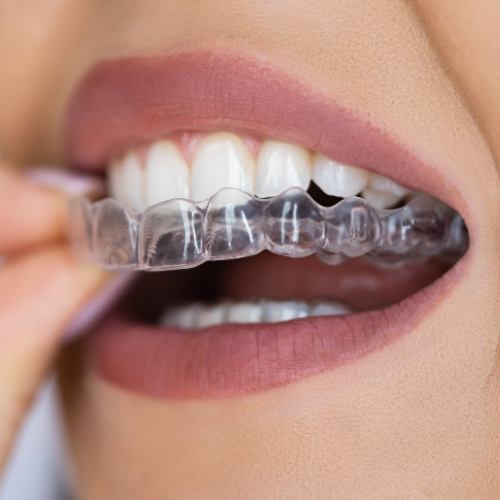
The first month with clear aligners usually involves mild pressure, temporary speech changes, increased saliva, and getting used to wearing trays 20–22 hours daily. This aligner adjustment phase is normal as teeth begin gradually shifting into position. Most discomfort improves within the first one to two weeks.
Starting clear aligner treatment is exciting, but the first few weeks can also feel unfamiliar.
Most people expect the aligners themselves to straighten teeth. What they don’t expect is how much their mouth, habits, and routine need to adapt too.
That first month is often called the aligner adjustment phase because your teeth, gums, tongue, cheeks, and even speech are learning to work with something new inside your mouth almost all day.
The good news? Almost everything people worry about during the first month is completely normal.
Here’s what actually happens during your first month with aligners, week by week, symptom by symptom, and what your teeth are doing behind the scenes.
Why the First Month Feels So Different
Clear aligners work by applying gentle, controlled pressure to specific teeth.
That sounds simple, but biologically, your body is responding to constant force inside the mouth.
Your teeth are not being “pushed through bone.” Instead, the bone around the roots temporarily remodels so teeth can move safely into new positions.
This process takes time, and during the first month, your body is essentially learning a new normal.
Many patients compare it to:
-
Breaking in a new pair of shoes
-
Starting braces after never having anything on their teeth
-
Wearing contact lenses for the first time
At first, you notice everything. Then gradually, your brain stops focusing on it.
Week 1: The Biggest Adjustment
For most people, the first 3–7 days are the hardest part of the entire treatment. Not because the pain is severe, but because everything feels unfamiliar.
What You May Notice
Pressure or Tightness
This is the most common sensation with teeth aligners.
When you insert a new tray, the aligners are slightly different from your current tooth position. That creates pressure designed to trigger movement.
Patients often describe it as:
-
Tightness
-
Soreness when biting
-
Tenderness in front teeth
-
A dull aching sensation
This usually peaks within the first 48 hours.
A common misconception is that stronger pain means faster tooth movement. That’s not true. Mild, controlled pressure is exactly what orthodontists want.
Increased Saliva
Your brain initially treats aligners like a foreign object.
As a result, your mouth may temporarily produce more saliva. Some people feel like they’re swallowing more often during the first few days.
This usually disappears quickly once your mouth adapts.
Speech Changes
Certain sounds, especially “s,” “sh,” “z,” or “th” sounds, may feel awkward at first.
This happens because your tongue suddenly has less room and must relearn where to rest while speaking.
Most patients adjust within a few days simply by talking more. Reading out loud, phone conversations, or singing in the car actually help speed up adaptation.
Dry Mouth or Mild Irritation
Some patients experience:
-
Minor rubbing against cheeks
-
Dry lips
-
Mild gum sensitivity
Orthodontic wax can help if a tray edge feels sharp, though properly trimmed aligners rarely cause major irritation.
Eating Feels Different Too
One of the biggest lifestyle changes during the first month is realizing how often you snack.
With clear aligners, you’ll remove trays before:
-
Eating
-
Drinking anything except water
-
Coffee, tea, soda, or wine
That means many patients naturally reduce unnecessary snacking during treatment. At first, this routine can feel inconvenient. Then it becomes automatic.
The “Removing Aligners” Struggle Is Normal
Almost everyone worries the first time they try removing their trays.
New aligners fit tightly by design, especially during the early stages.
Many patients initially think:
-
“They’re stuck.”
-
“I’m going to break them.”
-
“My teeth feel too attached to the tray.”
This is extremely common.
Usually, by the second week, removal becomes quick and effortless because your hands and mouth learn the technique.
Week 2: Your Mouth Starts Adapting
Around the second week, most people stop constantly thinking about their aligners.
This is when the aligner adjustment phase becomes easier psychologically and physically.
What Typically Improves
Less Soreness
Your teeth are still moving, but your tissues adapt better to the pressure changes.
Most future trays feel easier than the very first set.
Speech Normalizes
Friends and coworkers often stop noticing any difference before you do.
Many patients become fully comfortable speaking publicly, on video calls, or socially within two weeks.
Wearing Them Feels Routine
By now, patients usually develop a rhythm:
-
Remove trays
-
Eat
-
Brush
-
Reinsert
The process becomes part of daily life rather than something unusual.
Why Some Teeth Feel “Loose”
This surprises many people during the first month.
As teeth begin moving, they may temporarily feel slightly mobile when chewing or flossing. This does not mean teeth are falling out.
Tooth movement requires the supporting ligaments around roots to remodel temporarily. Mild looseness is often part of normal orthodontic movement. In fact, completely rigid teeth during active movement would be unusual.
Attachments: The Part Many Patients Don’t Expect
Some patients receive small tooth-colored bumps called attachments.
These help aligners grip teeth more effectively for certain movements like:
-
Rotating teeth
-
Pulling teeth downward
-
Correcting complex angles
Attachments often feel strange initially because they create texture on the teeth.
Ironically, many patients say the attachments bother them more than the trays during the first week.But after adaptation, most people barely notice them.
You May Not See Visible Results Yet, And That’s Normal
One of the biggest misconceptions about teeth aligners is expecting dramatic changes immediately.
During the first month, much of the movement happens in ways you can’t easily see:
-
Small rotations
-
Root positioning
-
Space creation
-
Bite adjustments
Visible cosmetic changes often become more noticeable after several aligner changes.
The early phase is more about creating the foundation for future alignment.
Tray Fit Anxiety Is Extremely Common
Many patients obsess over whether their aligners fit correctly.
Small gaps near the edges are often normal. But major lifting or poor seating may indicate the trays aren’t tracking properly.
Common reasons include:
-
Not wearing them enough hours
-
Switching trays too early
-
Improper seating
Using chewies can help aligners fit more snugly against teeth.
If trays consistently stop fitting, it’s important to follow up with your provider.
The Emotional Side of the First Month
People often underestimate how psychological orthodontic treatment can be.
The first month may include:
-
Excitement
-
Self-consciousness
-
Hyper-awareness of teeth
-
Constant mirror checking
-
Wondering if treatment is “working”
This is normal. Once patients settle into the process, aligners usually become far less emotionally noticeable.
Hygiene Matters More Than Most People Realize
During clear aligner treatment, your trays sit tightly against teeth for most of the day.
That means trapped food particles or poor brushing habits matter more than usual.
During the first month, patients should focus on:
-
Brushing after meals
-
Cleaning trays daily
-
Staying hydrated
-
Avoiding sugary drinks while wearing aligners
Poor hygiene during aligner treatment can increase the risk of:
-
Cavities
-
Staining
-
Gum inflammation
-
Bad breath
What Happens If You Don’t Wear Them Enough?
This is one of the biggest reasons treatment slows down.
Clear aligners depend heavily on consistency.
If trays are worn inconsistently:
-
Teeth stop tracking properly
-
Future trays may not fit
-
Treatment time increases
-
Refinements become more likely
The first month is where long-term habits are built.
Most orthodontists recommend wearing aligners 20–22 hours daily for predictable movement.
How Orthodontists Monitor Early Progress
The first month is important because providers evaluate how your teeth biologically respond to movement.
They look for:
-
Tray tracking
-
Tooth responsiveness
-
Bite changes
-
Attachment retention
-
Oral hygiene
If you're starting treatment remotely, digital monitoring and a proper initial Scan help providers assess movement accuracy early in the process.
When You Should Contact Your Provider
Some discomfort is expected. Certain issues are not.
You should contact your provider if you experience:
-
Severe pain that worsens
-
Sharp tray edges causing cuts
-
Broken aligners
-
Attachments falling off
-
Trays no longer fitting properly
-
Persistent gum swelling or bleeding
Minor pressure is normal. Significant problems should always be checked.
What Most Patients Say After the First Month
Interestingly, most patients describe the first month similarly: “The beginning was weird… then suddenly it became normal.”
That’s the aligner adjustment phase in a nutshell.
By the end of the first month, most people:
-
Remove trays confidently
-
Speak normally
-
Understand their routine
-
Feel less soreness
-
Stop constantly noticing the aligners
And most importantly, their teeth are already beginning to move.
Understanding the Bigger Picture
The first month of clear aligner treatment is less about dramatic cosmetic changes and more about adaptation.
Your teeth are learning to move. Your mouth is learning to function differently. And your daily habits are adjusting around treatment.
That early adaptation period plays a major role in long-term success. Patients who stay consistent early usually experience smoother treatment overall.
If you’re still researching how clear aligners work and what the treatment process involves, Smileie’s How It Works page can help explain the full journey from evaluation to final results.
FAQs
How long does the aligner adjustment phase last?
For most people, the aligner adjustment phase lasts about 1–2 weeks. Speech changes, soreness, and tray awareness usually improve significantly during this time.
Is it normal for teeth to hurt with clear aligners?
Yes. Mild pressure or soreness is expected, especially when starting a new tray. This indicates the aligners are applying controlled force to move teeth gradually.
Why do my teeth feel loose during aligner treatment?
Teeth can feel slightly loose because the surrounding bone and ligaments are remodeling during movement. Mild looseness is a normal part of orthodontic treatment.
Can people tell I’m wearing teeth aligners?
Most clear aligners are difficult to notice during normal conversation. Some people may notice slight speech changes initially, but this usually improves quickly.
What happens if I don’t wear my aligners enough?
Not wearing aligners consistently can slow treatment, cause trays to stop fitting properly, and increase the likelihood of refinements or delays.
Why do new aligners feel tighter?
Each new tray is designed slightly differently to continue tooth movement. That’s why fresh aligners often feel tighter for the first couple of days.
When will I start seeing results from clear aligners?
Some patients notice small changes within the first month, but visible improvements usually become more noticeable after several tray changes as alignment progresses.

Latest Blog
-
 Sep 22, 2026
At-Home Impression Kit vs. In-Person 3D Scan: Which Should Encino Residents Choose?
Learn More -

-

-


