



 USA
USA Canada
 UK
UK Italy
Italy Sweden
 Australia

In-Clinic vs At-Home Clear Aligners: Cost Comparison and Value for Money

At-home clear aligners usually cost less than in-office aligners because they reduce clinic overheads and use remote monitoring. For mild to moderate cases, at-home treatment can offer better value for money when supervised by a licensed dentist. In-clinic aligners may be worth the higher price for complex bite issues that need regular physical checkups.
If you’re deciding between clear aligners you can wear from home and the kind you get through a dentist’s clinic, the first thing you’ll compare is price. But the smarter question is: what are you paying for, and what do you get in return? This guide breaks down in-clinic vs at-home clear aligners on cost and, more importantly, value, so you can make a confident choice for your smile and your budget.
Why this comparison matters more than ever
Clear aligners used to be mostly an in-clinic treatment, often with a premium price tag. Today, remote treatment has changed the market. Ad costs, supply chains, scan technology, and tele-dentistry have made at-home options more accessible. That’s why so many people search for at home clear aligners cost vs in office before they commit.
But cost alone can be misleading. Two treatments can look similar on paper and feel very different in real life, depending on supervision, comfort, predictability, and support.
Understanding in-clinic aligner costs
In-clinic aligner treatment typically includes:
-
A full dental consultation
-
3D scans and X-rays
-
A dentist-approved plan
-
Regular in-person checkups
-
Refinements, if required
-
Chairside assistance and monitoring
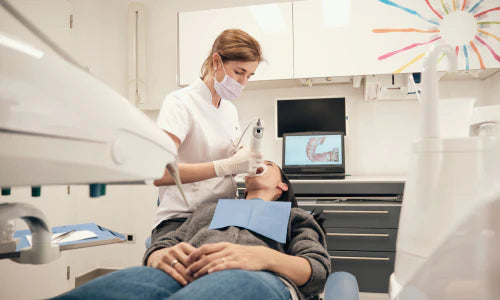
These elements influence aligner clinic fees, which usually reflect the clinic’s overheads: equipment, staff, chair time, and location. In most markets, in-clinic aligners cost more because your dentist is doing in-person diagnostics and follow-ups.
When in-clinic pricing makes sense
If you have complex bite issues, jaw alignment concerns, or require attachments and detailed monitoring, paying a premium in a clinic can be worth it. In these situations, the higher cost isn’t just for aligners, it’s for hands-on clinical risk management.
Even so, many people still compare at home clear aligners cost vs in office because they want to know if the clinic premium is necessary for their case.
Understanding at-home aligner costs
At-home aligners remove most physical clinic visits. Instead, you begin with:
-
A home impression kit or a quick scan option
-
Remote orthodontist/dentist review
-
Digital treatment plan
-
Aligners shipped to your door
-
Progress check-ins online
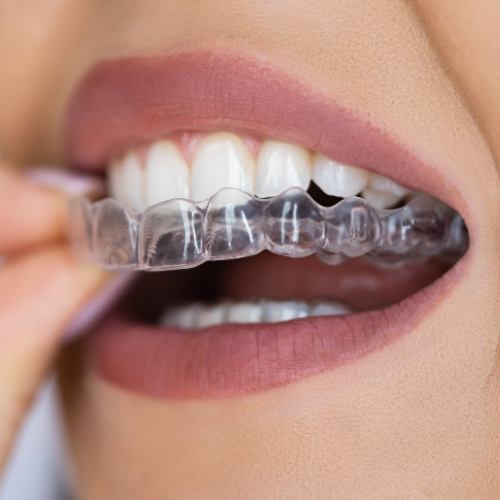
Because there’s no chair time and fewer overheads, at-home aligners often come in lower than in-clinic options. That’s why remote aligner treatment cost tends to be more attractive for mild to moderate cases.
On Smileie, you can start conveniently through Smileie Scan, choose a scan or an impression kit depending on what suits you best. That flexibility helps many users keep costs lower without adding unnecessary steps.
When people compare at home clear aligners cost vs in office, what they’re often really asking is: “Can I get a safe, effective result without paying extra for clinic visits?”
For many cases, the answer is yes, especially when the brand provides strong clinical oversight and a clear treatment pathway.
What drives the price difference?
Here are the biggest cost drivers behind at home clear aligners cost vs in office:
-
Clinic overheads vs remote model
Clinics carry costs that home-based providers don’t, rent, staff, equipment, and chair-time. -
Diagnostic tools
In-office plans may include X-rays and clinical exams by default, which can increase dentist supervised aligners price. -
Monitoring frequency
In-clinic packages include frequent physical visits. Remote packages include virtual check-ins, keeping the remote aligner treatment cost lower. -
Case complexity
Complex cases cost more in any model. If your case is not complex, a clinic premium may not add value.
Because of these factors, at home clear aligners cost vs in office can show a noticeable gap, yet the right choice depends on your needs, not the average price.
Value for money: what you should really judge
This is where most people make the wrong call. They look at the price first, then decide. Instead, judge value on five things:
1. Clinical supervision
At-home doesn’t mean “unsupervised.” The real question is whether a qualified dentist or orthodontist is reviewing your case and tracking progress. That directly impacts aligners value for money.
2. Convenience and consistency
For busy professionals or students, fewer appointments can mean better adherence. If you’re more likely to stay consistent at home, that’s a strong plus in the at home clear aligners cost vs in office debate.
3. Transparency of your plan
A good provider shows your projected movement clearly, explains timelines, and sets realistic expectations. Smileie’s How It Works page walks you through each stage so you know what you’re paying for and why.
4. Refinements and support
Refinements matter. Some cheaper systems don’t include them, which can lower the sticker price but reduce aligners value for money long-term. Always check what happens if your teeth need tweaks mid-treatment.
5. Eligibility check
Not everyone is ideal for remote care. The best brands are upfront about it. Before you start, take Smileie’s Assessment to confirm if at-home aligners are right for your case. That single step protects your outcome and budget.
So which option wins on cost and value?
For mild to moderate alignment needs, at-home aligners frequently offer better value because you’re not paying for overheads you don’t need. That’s why at home clear aligners cost vs in office often favors the remote route for simple cases.
For advanced bite corrections or medically complex situations, in-clinic aligners may still be the safer investment, though you should still ask for a breakdown of aligner clinic fees to understand what you’re paying for.
In short:
-
Simple to moderate case + preference for convenience = at-home value edge
-
Complex case + need for physical monitoring = in-clinic value edge
That’s the real answer behind at home clear aligners cost vs in office.
FAQs
-
Are at-home clear aligners cheaper than in-office aligners?
Yes, at-home aligners are usually cheaper because they eliminate most clinic visit costs and overheads. -
Is remote aligner treatment safe?
Remote treatment is safe for eligible mild to moderate cases when a licensed dentist or orthodontist supervises your plan. -
Why do in-clinic aligners cost more?
In-clinic care includes scans, consultations, X-rays in many cases, and regular in-person monitoring, which raises fees. -
Can at-home aligners fix bite problems?
They can handle minor bite corrections, but complex bite issues often need in-clinic supervision. -
Do at-home aligners include refinements?
Many reputable brands do, but not all. Always confirm refinement and support policies before paying. -
How do I know if I’m eligible for at-home aligners?
Take an eligibility survey like Smileie’s Assessment page to confirm your case is suitable. -
What is better value for money: at-home or in-office aligners?
At-home aligners often provide better value for mild to moderate cases, while in-office aligners may be better for complex needs.

Latest Blog
-
 Sep 15, 2026
At-Home Impression Kit vs. In-Person 3D Scan: Which Should Belleville Residents Choose?
Learn More -

-

-


