



 USA
USA Canada
 UK
UK Italy
Italy Sweden
 Australia

Clear Aligners for Overbite: What Improvements Are Common

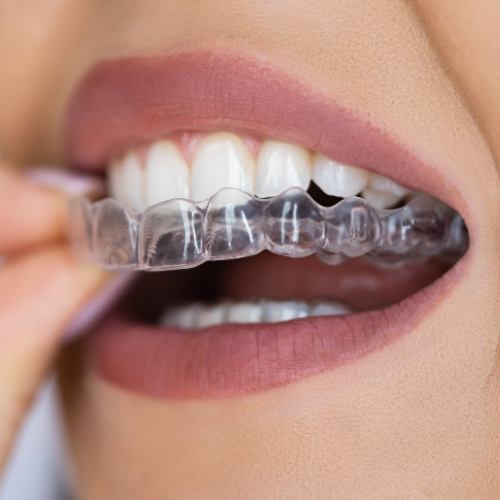
With clear aligners for overbite, common improvements include better front-to-back tooth overlap, more balanced biting pressure, reduced tooth wear, and a smile that looks more proportionate. Many people also notice easier chewing and less “teeth clashing,” especially when aligners are planned to adjust both tooth position and bite contact.
Most people don’t notice an overbite until something starts feeling “off.” Maybe your front teeth look like they sit too far forward in photos. Maybe your lower teeth keep tapping the backs of the upper teeth when you talk. Or you’ve always assumed it’s just how your smile is, until you start seeing wear on the edges of your teeth or your jaw feels tired at the end of the day.
An overbite is common, and it’s not automatically a problem. But when it’s significant or paired with other bite issues, it can affect comfort, confidence, and how evenly your teeth age over time. The good news is that for many people, clear aligners for overbite can make very real, measurable improvements, often in ways that go beyond “straighter teeth.”
What an overbite actually is (and why it happens)
An overbite usually refers to how much the upper front teeth overlap the lower front teeth vertically. A little overlap is normal. When the overlap becomes deeper, the lower teeth may contact the gum behind the top front teeth, or the upper teeth may dominate the smile visually.
Overbites can come from:
-
Tooth positioning (teeth tipped or crowded in a way that deepens overlap)
-
Jaw growth patterns (skeletal relationship between upper and lower jaw)
-
Habit patterns (clenching, thumb-sucking in childhood, etc.)
-
A combination of all three
This distinction matters because bite correction with aligners is most predictable when the main driver is tooth position, not jaw size. If your overbite is largely skeletal, aligners can still help in many cases, but expectations should be set thoughtfully by a dental team.
What improvements are common with clear aligners for overbite
When people ask whether aligners “work” for overbite, they usually mean one thing: Will my bite actually change, or will only my teeth look straighter? With well-planned treatment, clear aligners for overbite can address both.
Here are the improvements orthodontic educators most often see in appropriate cases:
1) A shallower, more comfortable bite
One of the most common outcomes is reducing excessive vertical overlap. That can mean the lower front teeth have more space, and the bite feels less “locked in.”
In day-to-day life, this often shows up as:
-
Less accidental biting of lower lip
-
Less sensation that top teeth “cover” the lower teeth too much
-
A bite that closes more smoothly
This is classic bite correction, not dramatic in one moment, but noticeable as things settle.
2) Better contact between back teeth (not just the front)
Overbites can trick people visually. The front overlap gets attention, but the back teeth often tell the real story. If your bite is deep in front, you may not be getting even contact in the molars, or you might be overloading specific teeth.
With clear aligners for overbite, a common improvement is a more balanced bite pattern, where chewing pressure is shared more evenly. That matters for long-term wear and comfort.
3) Reduced tooth wear and chipping risk over time
A deeper overbite can increase wear on the lower front teeth or the edges of upper teeth, especially if you clench or grind. Aligners can’t erase existing wear, but better tooth positioning can reduce ongoing damage.
This is one reason people choose invisible braces overbite treatment even when their smile “looks fine.” They’re thinking ahead.
4) Straighter front teeth with improved smile proportions
Yes, aesthetics matter. In many overbite cases, the top front teeth are slightly flared, crowded, or uneven in height. Improving alignment can soften the “over-projecting” look and make the smile feel more balanced.
It’s not about chasing perfection. It’s about bringing things into a healthier range.
5) Less crowding-related gum irritation (in some cases)
When teeth are crowded, cleaning becomes harder. With clear aligners for overbite, the crowding that often accompanies an overbite can be corrected, making brushing and flossing more effective. Many people notice less bleeding or tenderness once they can clean better, assuming gum health is stable to begin with.
6) A more stable bite relationship (when retention is taken seriously)
A bite that has been planned properly tends to feel “settled” at the end of treatment. That said, all orthodontic treatment relies on retention. Teeth like to drift, especially in the first months after aligners.
A common improvement isn’t just the bite you end with, it’s keeping it with consistent retainer wear.
How much overbite improvement is realistic?
This depends on what’s causing the overbite.
If your overbite is primarily dental (tooth position), clear aligners for overbite can often create meaningful change. If it’s primarily skeletal (jaw relationship), aligners may still deliver noticeable improvements, but the goal is usually “better” rather than “perfect.” In some skeletal cases, comprehensive orthodontics or other interventions may be discussed by a clinician.
A good assessment should explain:
-
Whether this is mainly a tooth-position issue or jaw-pattern issue
-
What the plan is to achieve bite correction
-
What limitations exist and why they matter
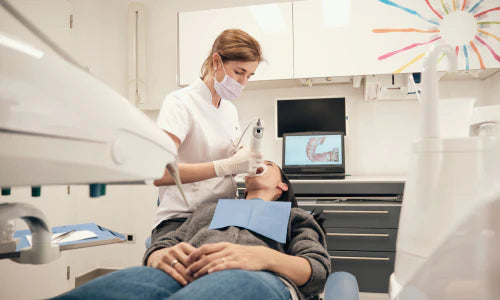
This is where starting properly matters. If you’re considering Smileie, the Smileie Scan page is designed to help you begin with an informed assessment, rather than guessing based on photos.
Clear aligners vs other approaches (without the brand drama)
People often compare aligners to fixed braces. Both can move teeth. The bigger differences are usually about lifestyle, visibility, and how the plan is executed.
Clear aligners for overbite can be a strong option when:
-
Your case is mild to moderate and mainly dental
-
You can wear aligners consistently (this is non-negotiable)
-
The treatment plan includes a clear strategy for bite correction, not just straightening
Other approaches may be preferred when:
-
The overbite is severe and skeletal
-
Multiple complex bite movements are required
-
Compliance is likely to be inconsistent
You’ll also see the term invisible braces overbite used broadly online. Some people mean aligners specifically; others mean any discreet orthodontic method. What matters is not the label, it’s the plan.
Decision-stage doubts people have (and honest answers)
“Will aligners change my bite or just my smile?”
With a proper plan, they can change both. The key is that your case must be suitable, and the treatment must be designed for bite correction, not cosmetic alignment only. Many overbite cases are treated successfully with clear aligners for overbite, but suitability comes first.
“Is it painful?”
Most people feel pressure for a day or two after switching trays. That pressure is a sign things are moving. It’s usually manageable and tends to be less “sharp” than what some people describe with fixed braces.
“How long does it take?”
Timelines vary. Mild cases may be shorter; moderate cases can take longer. Your plan should outline expected stages and what “success” looks like for your bite, not just your front teeth.
“Do I need attachments?”
Sometimes, yes. Small tooth-colored attachments can help aligners grip teeth for specific movements. They’re common and not something to fear, often they’re what makes clear aligners for overbite more predictable.
“What about relapse?”
Relapse is preventable in many cases, but it requires retention. If you’re serious about results, you have to be serious about retainers.
Where Smileie fits in (without making it the whole story)
If you’re looking for a sensible at-home aligner option, it’s reasonable to want clarity on the process, safety checks, and value. Smileie’s How It Works page lays out the treatment flow in a straightforward way, and the Assessment page is a natural next step if you’re ready to see whether your bite is a good fit for aligners.
When you’re comparing value, it’s also worth reading the Smileie pricing page with a practical lens: not “cheap vs expensive,” but what you’re actually getting, planning, monitoring, retainers, refinement policies, and support.
And if trust is your main question, who’s behind the plan, what standards are followed, and what makes the experience reliable, the Why Smileie page is where those details belong. The goal isn’t to convince you. It’s to help you make a decision you won’t second-guess later.
7 FAQs
1. Do clear aligners fix an overbite permanently?
They can, as long as the overbite is treatable with aligners and you wear your retainers after. Teeth naturally drift; retention is what makes results last.
2. How much can clear aligners improve an overbite?
In many mild to moderate cases, clear aligners for overbite can reduce the overlap and improve bite contact noticeably. Severe, jaw-based overbites may improve but may not fully resolve with aligners alone.
3. Can invisible braces help with overbite and deep bite?
Often, yes. Invisible braces overbite treatment can address deep bites when the plan includes specific movements to open the bite and balance tooth contact, not just straighten the front teeth.
4. Do clear aligners make overbite worse if I wear them wrong?
Poor wear time or inconsistent use can lead to incomplete tracking, which can compromise bite correction goals. That’s why follow-ups and sticking to the schedule matter.
5. Is overbite correction with aligners faster than braces?
Not necessarily. Speed depends on your bite, biology, and consistency. Some people finish quickly; others need more stages. A good plan prioritizes stable results over rushing.
6. Will I need extractions for overbite correction?
Most people don’t, but it depends on crowding and the bite relationship. Extractions are more about making space and balancing the bite than “treating overbite” directly.
7. How do I know if I’m a good candidate for clear aligners for overbite?
You’ll need an evaluation that looks at tooth position, bite contact, and jaw relationship. Starting with the Smileie Scan page and then completing the Assessment step is the most practical way to get a clear answer.

Latest Blog
-
 Sep 22, 2026
At-Home Impression Kit vs. In-Person 3D Scan: Which Should Encino Residents Choose?
Learn More -

-

-


