



 USA
USA Canada
 UK
UK Italy
Italy Sweden
 Australia

Clear Aligners for Second-Time Treatment: Fixing Teeth That Moved After Braces

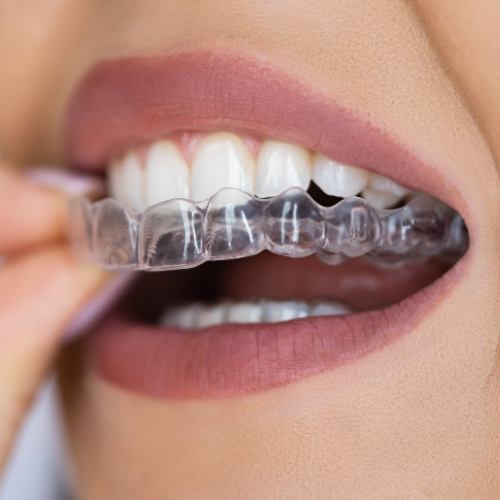
Clear aligners for second-time treatment are a discreet way to fix mild to moderate teeth shifting that happens after braces. If your teeth shifted after braces due to missed retainers or natural changes, a customized aligner plan can re-align them gradually, often faster than first-time treatment, followed by retainers to maintain results. The best next step is an online assessment to confirm candidacy and get a personalized plan.
You did the hard work once, braces, appointments, the full routine, and your smile looked great. Then life happened. Retainers were worn “sometimes,” a few months turned into years, and now you’re noticing it: crowding coming back, a front tooth rotating, or your bite feeling slightly “off.” If that sounds familiar, you’re not alone. Orthodontic relapse is common, and the good news is you usually don’t need to start over from scratch.
Clear aligners for second-time treatment are designed for exactly this situation: helping adults correct relapse comfortably, discreetly, and with a plan that fits real life. In this guide, we’ll cover why relapse happens, who qualifies, what the process looks like, and how to keep your result stable long-term.
Why teeth move after braces (even years later)
If you’re wondering why your teeth shifted after braces, here’s the truth: teeth are not “cemented” in place. They sit in living bones and respond to pressure, habits, and time. The most common reasons include:
-
Retainer inconsistency: The #1 reason teeth drift back is simply not wearing retainers as prescribed, especially in the first year after braces.
-
Natural aging: Even people who never had braces can develop crowding over time, especially in the lower front teeth.
-
Bite forces and grinding: Clenching or grinding can slowly change tooth positions.
-
Wisdom teeth & space changes: While not always the main culprit, changes in the back of the mouth can contribute for some people.
-
Gum issues: If gums and bone support are compromised, teeth can shift more easily.
This is exactly where clear aligners for second-time treatment become a practical option, because relapse is often milder and more targeted than the first round.
Can relapse be fixed with aligners?
In many cases, yes. Retreatment with aligners works especially well when relapse is mild to moderate, like spacing, crowding, small rotations, or bite changes that don’t require jaw correction.
If you’re trying to fix old orthodontic relapse, aligners can gently guide teeth back into a healthier alignment using controlled, staged movement. And for adults, they’re often the preferred approach because they’re subtle and easy to fit into work and social life.
A smart next step is to visit the assessment page on Smileie to check if you’re a candidate and start the evaluation process.
Who is a good candidate for second-time aligners?
You may be a strong fit for clear aligners for second-time treatment if:
-
Your braces results were great once, but shifting returned
-
You want a discreet option without brackets
-
You have mild/moderate crowding or spacing
-
You can commit to wearing aligners consistently
Aligners for adults post braces are especially common because adult schedules and lifestyle often make aligners easier to manage than fixed braces. However, severe bite problems, major tooth rotations, or complex jaw issues may require in-clinic orthodontic care.
To understand eligibility, it helps to read Smileie’s How It Works page, which explains steps like assessment, planning, aligner delivery, and progress tracking.
What the process typically looks like
Here’s what retreatment with aligners usually involves:
1) Assessment and treatment planning
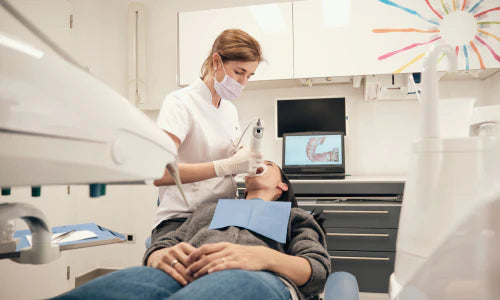
Your teeth are evaluated through photos/scans, and a plan is built around your current relapse pattern, not your past braces plan. Start with the Smileie assessment page to begin.
2) Wearing aligners consistently
Most people wear aligners 20–22 hours/day, removing them for meals and drinks (except water). Consistency is what makes clear aligners for second-time treatment predictable.
3) Check-ins and refinements if needed
Some cases may need small refinements to perfect the final result, especially if relapse included rotations or bite settling.
4) Retainers to lock it in
After you fix old orthodontic relapse, retainers are the real “finish line.” Without them, relapse can return.
For a clearer idea of what treatment may cost, you can reference the Smileie pricing page and align expectations before starting.
How long does second-time treatment take?
The timeline depends on how much your teeth shifted after braces and how closely you follow wear time. But generally, second-time treatment can be faster than your first round because the movements are smaller and more focused.
Many aligners for adults post braces cases fall into shorter treatment ranges, especially if relapse is limited to a few teeth. The best estimate comes after your evaluation and plan review (Smileie’s How It Works page can help set expectations).
Why second-time aligner treatment can be a smart choice
People often delay fixing relapse because they assume it’ll be as intense as braces were. But clear aligners for second-time treatment can feel more approachable because:
-
They’re discreet in photos and everyday conversation
-
They fit into professional and social settings
-
Hygiene is easier (you remove them to brush/floss)
-
The plan is customized to your relapse, not a full restart
If you’re deciding whether Smileie is right for you, mention your quality standards, support, and treatment philosophy by referencing the Why Smileie page.
How to prevent relapse after aligners (this part matters most)
If you’re going to invest in retreatment with aligners, make sure the result lasts. The key is retention:
-
Wear retainers as recommended (especially at night long-term)
-
Replace retainers when worn, a warped retainer can cause shifting
-
Maintain gum health with regular cleanings
-
If you grind your teeth, consider protection to reduce force on alignment
Think of it this way: treatment moves teeth; retention keeps them there.
Ready to fix shifted teeth after braces?
If you’ve noticed your teeth shifted after braces, it’s worth addressing sooner rather than later, small shifts are easier to correct than bigger ones. Clear aligners for second-time treatment can be a comfortable, discreet way to regain alignment and confidence.
To begin, head to the Smileie assessment page for the first step. Then explore pricing, How it works, and Why Smileie to feel confident about your decision.
FAQs
-
Can clear aligners fix relapse after braces?
Yes, many mild to moderate relapse cases respond well to aligners with consistent wear. -
Why did my teeth shift after braces even with a retainer?
Retainers can wear out or not fit perfectly over time; even small gaps in wear can allow movement. -
How long does second-time aligner treatment take?
It depends on the relapse severity, but it’s often shorter than first-time treatment. -
Do I need attachments for retreatment with aligners?
Sometimes. Attachments help guide certain movements like rotations or bite correction. -
Are aligners for adults post braces effective?
Yes, adult relapse correction is one of the most common aligner use cases. -
Will my teeth shift again after I fix old orthodontic relapse?
They can if you don’t wear retainers consistently. Retention is essential. -
What’s the first step to start aligner retreatment?
Complete an online assessment and get a treatment plan based on your current alignment.

Latest Blog
-
 Sep 22, 2026
At-Home Impression Kit vs. In-Person 3D Scan: Which Should Encino Residents Choose?
Learn More -

-

-


