




 USA
USA Canada
 UK
UK Italy
Italy Sweden
 Australia

Clear Aligners for Your Smile Goal: Pick the Best Starting Point

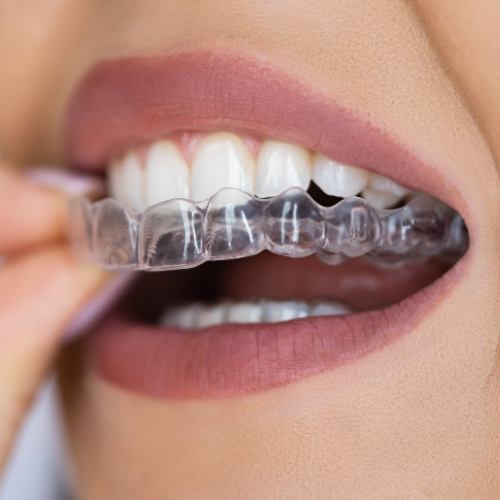
To start with clear aligners, pick a starting point that gives you an accurate scan, a professional assessment tied to your smile goals, and a clear plan before you commit. Compare invisible braces options by checking timeline, daily routine, and cost upfront, so you know what you’re saying yes to.
Most people don’t wake up one day and think, “Today I will start orthodontic treatment.” It’s usually smaller moments that build up.
You catch your smile in a photo and notice one tooth always turns in. You’ve been meaning to fix your bite because it’s started to feel uneven. Or you’ve had braces before and things have shifted, again. Whatever the reason, the search usually starts the same way: you want something discreet, predictable, and realistic to follow through on.
That’s why people land on clear aligners. Not because they’re trendy, but because they feel like a manageable way to move toward your smile goals without putting life on pause.
The first decision isn’t “which brand.” It’s “what’s my starting point?”
When people get stuck, it’s rarely about whether clear aligners work. It’s about where to begin, and how to know they’re choosing the right plan.
A good starting point does three things:
-
Tells you what’s actually going on (spacing, crowding, bite, movement limits)
-
Shows you a realistic outcome tied to your smile goals
-
Explains the steps clearly, so you’re not guessing your way through treatment
If you don’t have those three, it’s easy to hesitate. Or worse, commit without feeling confident.
Simple process, in plain language
Here’s what starting clear aligners should look like when it’s structured well:
Step 1: Get a scan or impression that’s accurate
Everything depends on this. It’s the “map” your treatment is built on. With Smileie, this is where Smileie Scan fits in, because it’s designed to capture what your teeth look like right now, not what you hope they look like.
Step 2: Get an assessment that matches your smile goals
An assessment should answer practical questions, not overwhelm you with dental terms. The Assessment page is the part that helps you understand:
-
what can be improved with clear aligners
-
what will take more time
-
what might need a different approach
And most importantly: whether your smile goals are realistic for aligners.
Step 3: See your plan before you commit
People don’t fear treatment, they fear uncertainty. A good plan lays out the stages, the expected timeline, and what the result is aiming for. It shouldn’t feel like a surprise in month three.
Step 4: Understand what daily life will feel like
If you’re considering invisible braces options, your real question is probably: “Can I actually stick to this?” That’s why the best aligner journeys explain daily wear time, eating, cleaning, and what happens if you miss a day. This is where reading How It Works matters, because it fills in the “okay but what will my routine be?” gap.
Step 5: Know the cost early, not late
Pricing shouldn’t be a final reveal. It should be part of choosing a starting point. The Pricing page belongs in your decision process before you mentally commit, so you can decide without pressure.
How to choose the best starting point for your smile goals
If you’re comparing invisible braces options, it helps to sort yourself into one of these real-world “starting types”:
1) “I just want to fix one or two things”
You’re bothered by a specific tooth, small spacing, or mild crowding. You want a clean improvement, not a full transformation. This is often the easiest place for clear aligners to be a good match, because the plan can be focused and the routine feels lighter.
2) “I want a noticeable change, but I need it to be predictable”
You’re open to a longer timeline, but you need to trust the path. This is where plan clarity matters most: what changes first, what takes time, and what the realistic end result is.
3) “I’ve had braces before and my teeth shifted”
This is extremely common. Retainer drift is real life. The starting point here is understanding why the shift happened and what kind of movement you need now. Clear aligners can work well for relapse cases, but the assessment step is key.
4) “I’m not sure aligners are right for my bite”
If your bite feels off, or you’ve been told you have an overbite/underbite/crossbite, your starting point should be a clear clinical review and an honest plan. Sometimes clear aligners are a fit, sometimes you’ll need a different route. Getting that answer early saves time (and regret).
What Smileie is trying to do is keep this decision calm: scan, assess, show the plan, explain the routine, then let you choose. Simple doesn’t mean “light.” It means fewer unknowns.
FAQs
1. How do I know if clear aligners can fix my teeth, or if I need something else?
The quickest way is a scan + assessment that checks crowding, spacing, and bite, not just “straightness.” Some bite issues need extra steps. A proper review will tell you what’s realistic with clear aligners and what isn’t.
2. What’s the difference between clear aligners and other invisible braces options?
Most invisible braces options aim for discreet tooth movement, but they differ in how you’re assessed, how plans are created, and how progress is monitored. The difference that matters most is whether your plan is personalized and predictable, not just “one-size-fits-most.”
3. Do I need an in-person appointment to begin?
Not always. Many people start with a digital scan and an online assessment, then decide. With Smileie, the Smileie Scan and the Assessment page are designed to help you get clarity before you commit.
4. How long does clear aligner treatment usually take?
It depends on the movement needed: small cosmetic shifts can be shorter, while bite and crowding changes take longer. The key is getting a plan that explains stages clearly, so your smile goals match a realistic timeline.
5. Will clear aligners hurt?
Most people feel pressure or soreness for a couple of days when switching trays. It’s usually manageable and tends to ease as you get used to the rhythm. The bigger challenge for most people is consistency, not pain.
6. What if I travel or have a busy schedule, can I still do clear aligners?
Yes, but only if the process is structured. You’ll want clear instructions, predictable check-ins, and a plan you can follow even when life gets messy. This is why reading How It Works early helps, so you know what the routine expects from you.
7. How do I compare pricing across invisible braces options without getting confused?
Compare what’s included (plan creation, trays, follow-ups, refinements, retainers if offered) and how transparent the cost is upfront. If you’re serious about your smile goals, checking the Pricing page early prevents last-minute surprises.

Latest Blog
-
 Sep 22, 2026
At-Home Impression Kit vs. In-Person 3D Scan: Which Should Encino Residents Choose?
Learn More -

-

-


