




 USA
USA Canada
 UK
UK Italy
Italy Sweden
 Australia

Smileie Clear Aligners: Built for Real-Life Comfort and Fit

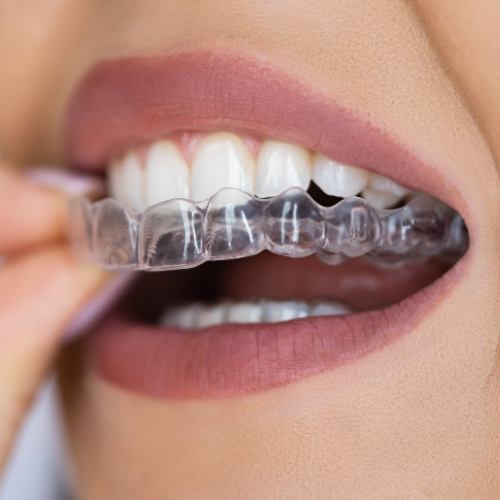
Smileie clear aligners are designed to feel secure without feeling bulky, snug enough to move teeth predictably, smooth enough to wear through normal life. You should expect gentle pressure at first, then a “settling” feeling as the trays seat properly, with less irritation as your mouth adjusts.
If you’ve ever tried to “be good” about a new habit, only to realize your day has other plans, you already understand why comfort and fit matter so much with aligners. A tray that feels fine for ten minutes can feel very different at hour six, during a meeting, on a commute, or when you’re trying to fall asleep.
That’s the real test. Not how an aligner feels when you first pop it in, but how it lives with you, through your routines, your meals, your conversations, your deadlines, your weekends. People don’t quit aligners because they don’t care about their smile. They quit because something feels off: sharp edges, pressure that doesn’t settle, trays that don’t “seat,” speech that won’t normalize, or a fit that makes you constantly aware of your mouth.
This is exactly where Smileie clear aligners aim to shine, designed to be wearable in real life, not just on paper. Let’s talk about what “comfort and fit” actually mean clinically, what you should expect, and how to tell whether a system is built with the everyday wearer in mind.
What comfort and fit really mean in clear aligner treatment
When patients say, “I want comfortable aligners,” they’re usually talking about three things, whether they realize it or not:
-
Edge comfort: Does the tray irritate the gums, lips, or tongue?
-
Pressure comfort: Does the force feel like manageable pressure or distracting pain?
-
Wearability: Can you speak, work, travel, and sleep without feeling like the aligners are constantly “there”?
From a clinical standpoint, comfort is closely connected to clear aligner fit. When aligners fit well, the force is distributed more evenly, seating improves, and the tray is less likely to rub. That’s why fit isn’t only about aesthetics; it’s about biomechanics and day-to-day tolerability.
A well-fitting aligner should feel snug, stable, and thin enough that you’re not fighting it all day. The first few days of a new tray can bring pressure, normal and expected. But persistent sharpness, rocking, or gaps between the tray and teeth are signs something needs attention.
Why real-life fit is harder than it sounds
Teeth aren’t perfect cylinders. Enamel has contours, bite forces vary, and gums respond differently from person to person. Even your habits matter, how often you sip coffee, whether you clench at night, how quickly you get trays back in after meals.
That’s why the quality of the scan, the treatment planning, and the tray finishing all contribute to both aligner comfort and clear aligner fit. The best systems tend to focus on:
-
Accurate starting records (so trays are designed for your real anatomy)
-
Treatment plans that move teeth in realistic steps
-
Tray edges that are smooth and carefully finished
-
Instructions that support consistent wear without making life miserable
This is where the process around Smileie clear aligners matters. Getting started through the Smileie Scan page isn’t just a “step”, it’s the foundation for trays that seat properly. And a strong planning workflow (covered on the How It Works page) is a big reason some people find treatment surprisingly easy to stick with.
How Smileie approaches comfort without sacrificing movement
There’s a balancing act in aligner therapy: if a tray is too loose, it may feel “comfortable” but won’t deliver consistent movement. If it’s too aggressive, discomfort can spike and compliance drops.
What I like to emphasize as an orthodontic educator is that good aligner comfort isn’t about feeling nothing. It’s about feeling the right thing, steady, controlled pressure that reduces after the initial day or two, paired with a tray that doesn’t irritate soft tissue.
With Smileie clear aligners, the goal is a secure seat and a smooth, wearable profile, so you can keep them in for the hours that actually make treatment work. Comfort supports consistency, and consistency supports results. That’s not marketing. That’s how aligner therapy succeeds.
What “good fit” feels like (and what it doesn’t)
A common worry is: “How do I know my aligners fit correctly?” Here’s a clear, real-world way to think about clear aligner fit.
Good fit often feels like:
-
A snug “click” into place
-
Even pressure across multiple teeth, not a single sharp point
-
Minimal rocking when you gently press on the tray
-
The tray edge sits smoothly along the gumline without digging in
Fit problems often feel like:
-
A visible gap between tray and tooth that doesn’t improve
-
The aligner lifts at the back teeth when you bite down
-
One area feels painfully tight while the rest feels loose
-
A rough edge consistently irritates the same spot
If something feels questionable, don’t ignore it for weeks hoping it “toughens you up.” The sooner you check your progress and aligner seating, the easier it is to keep treatment on track. That’s also why next-step guidance on the Assessment page is important, knowing when to reassess can prevent small issues from becoming bigger detours.
Comfort in real life: meals, work, speech, and sleep
People usually adjust faster than they expect, but there are a few moments where comfort and fit show up most:
Eating out / social plans
You want a routine that’s realistic, not perfect. If your aligners feel irritating, you’ll delay putting them back in, and wear time slips. When Smileie clear aligners are comfortable, it’s easier to stay consistent after meals.
Talking at work
Mild speech changes are common in the first days. Fit matters here, if a tray is bulky or not seated well, the tongue works harder. The smoother the edges and the better the seating, the faster your speech normalizes.
Sleeping
Nighttime is when clenchers notice everything. A stable clear aligner fit can make nighttime wear feel calmer and less distracting.
Long days
This is where aligner comfort becomes a compliance tool. When trays feel fine for 16–20 hours, people actually wear them for 16–20 hours. That’s the difference between “I tried aligners” and “I finished aligners.”
Comparing options without getting lost in brand wars
At the decision stage, most people are choosing between:
-
Do-it-yourself approaches with minimal oversight
-
Provider-led or guided systems with clearer planning and check-ins
-
Aligners versus braces (depending on case complexity and lifestyle)
Braces can be an excellent choice for certain needs, especially for more complex movements. But if your case is suitable for aligners, lifestyle tends to drive the decision: fewer food restrictions, easier hygiene, and a more discreet look.
Within aligners, the meaningful differences often come down to planning, material feel, edge finishing, and how support is structured. People who prioritize aligner comfort and consistent wear tend to value systems that make the process predictable and the trays easy to live with.
If you’re evaluating Smileie clear aligners, it’s worth reading the Why Smileie page as a trust check: what the brand emphasizes, how they approach quality, and what kind of guidance you can expect.
Common doubts people have right before they commit
“Will it hurt?”
Expect pressure, especially with a new set. Most people describe it as a tight, sore feeling that peaks early and fades. If pain is sharp or persistent, that’s not something to power through.
“What if they don’t fit?”
Fit issues can happen with any aligner system, usually tied to seating, wear consistency, or the need for a plan adjustment. That’s why your starting records and follow-up checkpoints matter. A good system takes clear aligner fit seriously from the first scan to the later stages.
“Will I be able to wear them at work or in public?”
This is exactly where comfort matters. With Smileie clear aligners, the intention is that you can wear them through normal conversations and busy days without feeling self-conscious or constantly distracted.
“Is it worth the cost?”
“Worth it” usually means: predictable plan, good support, comfortable trays, and a clear understanding of what you’re paying for. When you’re comparing value, look at transparency and what’s included, then review the Smileie pricing page for the specifics, rather than guessing from generic numbers online.
A sensible way to start (without overthinking it)
If you’re still weighing whether aligners fit your life, start with two simple steps:
-
Get assessed properly, because suitability matters more than enthusiasm.
-
Choose a system you can actually wear consistently.
The Smileie Scan page is the practical first step if you want an assessment that focuses on your real teeth and bite. From there, the How It Works page lays out what treatment typically looks like, so you’re not committing blindly. And when you’re ready to move forward, the Assessment page helps you understand next steps in a straightforward way.
Smileie clear aligners aren’t meant to be something you “tolerate.” They’re meant to fit into your life, comfortably enough that you keep going, and precisely enough that the plan can do its job.
FAQs
1. How long does it take to get used to clear aligners?
Most people adapt within a few days. The first 24–72 hours can feel tight, and speech may feel slightly different. As your mouth adjusts and the trays seat better, comfort usually improves quickly.
2. Why do my aligners feel tight on the first day of a new tray?
That initial tightness is typically the planned pressure needed to guide movement. It should soften after the first day or two. If it stays sharp or feels “wrong,” it may be a fit or seating issue worth checking.
3. What should I do if my aligners are rubbing my gums?
Don’t ignore repeated irritation. A small rough edge can create a sore spot fast. If discomfort persists in one area, it’s a sign to get guidance through the proper support route rather than hoping it resolves.
4. How do I know if my clear aligners fit properly?
A good clear aligner fit looks fully seated with minimal gaps and feels stable when you press along the teeth. If you see persistent spacing or feel rocking, the fit may need to be assessed.
5. Do clear aligners make your teeth feel loose?
Teeth can feel slightly mobile during active movement, that can be normal. It should not feel extreme or worsening. Consistent wear and proper fit help keep forces controlled.
6. Can I drink tea or coffee with aligners in?
It’s usually better to remove them for hot or staining drinks. If you occasionally sip with them in, rinse your mouth and trays afterward. Habits like frequent sipping can affect both tray clarity and mouth comfort.
7. Are Smileie clear aligners suitable for everyone?
Not for every case. Some bite or movement needs are better treated with other orthodontic approaches. That’s why starting with an assessment (via the Smileie Scan page and Assessment page) matters, so you’re choosing the right tool for your teeth, not just the most convenient option.

Latest Blog
-
 Sep 22, 2026
At-Home Impression Kit vs. In-Person 3D Scan: Which Should Encino Residents Choose?
Learn More -

-

-


