



 USA
USA Canada
 UK
UK Italy
Italy Sweden
 Australia

Smileie Clear Aligners: What Support Looks Like During Treatment

With Smileie clear aligners, support means your treatment is monitored by dental professionals, structured through planned treatment check-ins, and backed by a team that’s accessible when you need guidance, not just when you place your order.
Orthodontic care should never feel like you’re on your own.
Starting orthodontic treatment is exciting. It’s also a little nerve-wracking.
Most people don’t worry about whether clear aligners can move teeth. That part is well established. The real concern is quieter and more personal: What happens once I start? Who makes sure everything is going right?
Support during orthodontic treatment matters more than most people realize. Teeth don’t just shift on a schedule. Your mouth responds biologically. Life happens. Trays feel tight. You might forget a day. You might have a question at 9 p.m.
That’s where thoughtful aligner support makes all the difference.
Treatment Is a Process, Not Just a Product
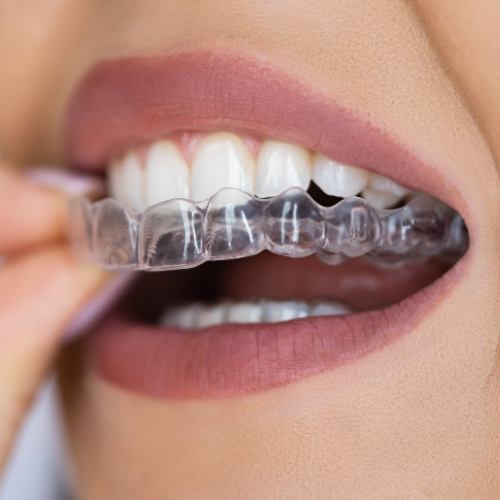
Clear aligners are medical devices. They apply controlled pressure to move teeth gradually. That movement is guided by a treatment plan created from digital impressions and clinical analysis.
But a plan alone isn’t enough.
As your teeth shift, small variations can occur. Attachments may respond differently. You may need reassurance about fit, wear time, or next steps. This is why structured treatment check-ins and consistent aligner support are built into responsible care models.
When people review the Smileie clear aligners process on the How It Works page, they often focus on the simplicity of getting started. That’s understandable. The at-home convenience is appealing.
What matters just as much is what happens after your first tray.
What Support Looks Like During Smileie Treatment
1. A Doctor-Reviewed Treatment Plan
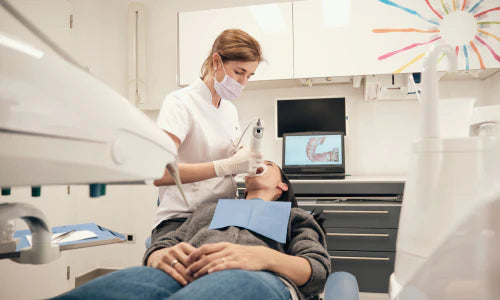
Before you ever receive aligners, your impressions or scan are evaluated and reviewed by licensed dental professionals. This isn’t automated guesswork. It’s clinical planning.
If you're curious about how the assessment begins, the Smileie Scan page explains how digital data is captured and evaluated. This early phase sets the foundation for accurate tooth movement.
When treatment begins, you're not just wearing trays. You’re following a professionally designed sequence.
2. Structured Treatment Check-Ins
One of the most overlooked aspects of remote orthodontics is follow-up.
Smileie clear aligners include scheduled treatment check-ins where you submit photos so professionals can review your progress. These check-ins aren’t symbolic. They’re functional.
They answer questions like:
-
Are the aligners tracking correctly?
-
Is tooth movement progressing as expected?
-
Do adjustments need to be made?
Treatment check-ins provide accountability and clinical oversight. They also give patients reassurance. Knowing someone is actively reviewing your progress changes the experience entirely.
3. Real Access to Aligner Support
There’s a difference between customer service and aligner support.
Customer service answers billing questions.
Aligner support answers clinical ones.
If an aligner feels too tight, if a tray isn’t seating properly, or if you’re unsure about wear time after missing a day, you need informed guidance. Smileie clear aligners include ongoing communication channels so you’re not left troubleshooting alone.
Most minor issues are easily resolved with simple adjustments or instructions. What matters is that someone qualified is there to guide you.
4. Clear Guidance on Wear and Care
Orthodontic success depends heavily on compliance.
Wearing aligners 20–22 hours per day is standard. Not doing so delays progress. Good support includes education on:
-
Proper insertion and removal
-
Cleaning protocols
-
Managing mild soreness
-
When to move to the next tray
These details might seem small. They aren’t.
When patients feel informed, they’re more consistent. And consistency produces results.
5. Monitoring Without Office Visits
Traditional braces require in-office visits for wire adjustments. With Smileie clear aligners, monitoring happens remotely through structured photo submissions and treatment check-ins.
For many adults, this is the difference between starting treatment and postponing it indefinitely. Work schedules, travel, childcare, life is busy.
Remote aligner support, when done responsibly, maintains clinical oversight without demanding frequent office visits.
Addressing Common Concerns Before Starting
“What if something goes wrong?”
Most issues during clear aligner treatment are minor and manageable. Aligners feeling tight is normal. Slight pressure is expected.
If trays stop fitting properly, that’s where treatment check-ins and support systems step in. Early identification prevents larger problems.
“Is remote support enough?”
This depends on the case and the structure behind it.
Smileie clear aligners are designed for mild to moderate alignment concerns. Cases requiring surgical correction or complex bite reconstruction should always be handled in-office.
For appropriate candidates, structured aligner support combined with doctor oversight provides a reliable and clinically responsible pathway.
“What happens after I finish?”
Retention is critical.
After active treatment, retainers maintain your new alignment. Teeth naturally want to shift back. Ongoing guidance ensures you understand how long and how often to wear retainers to protect your investment.
This phase is often ignored in discussions about aligners. It shouldn’t be.
Cost, Value, and Support
When people visit the Smileie pricing page, the first question is usually about affordability.
The better question is: What am I getting for this cost?
You’re not just purchasing plastic trays. You’re receiving:
-
Professional treatment planning
-
Structured treatment check-ins
-
Ongoing aligner support
-
Monitoring throughout the process
That framework is what protects your outcome.
Lower prices without oversight may seem appealing initially. But orthodontic movement is biological. Oversight matters.
Why Support Impacts Results
Orthodontic treatment isn’t passive. It’s collaborative.
The aligners apply force. You commit to wear time. The dental team monitors progress. Remove one of those pieces, and the system weakens.
This is one reason many prospective patients explore the Why Smileie page before deciding. They want reassurance that the brand isn’t just selling convenience, but delivering structured care.
Support builds trust. Trust builds consistency. Consistency builds results.
When You’re Deciding Whether to Start
If you’re still in the evaluation stage, the Assessment page offers a low-pressure next step. Understanding whether you're a good candidate removes guesswork.
Clear aligner treatment works best when expectations are realistic and support systems are clear. You shouldn’t feel uncertain about who is monitoring your teeth. You shouldn’t feel alone wearing trays. You shouldn’t wonder whether anyone is reviewing your progress.
Smileie clear aligners are designed to combine flexibility with clinical structure. For many adults, that balance makes treatment both accessible and reassuring.
FAQs
1. How are Smileie clear aligners monitored during treatment?
Progress is reviewed through scheduled photo submissions and treatment check-ins conducted by dental professionals to ensure aligners are tracking correctly.
2. What happens if my aligners don’t fit properly?
If a tray isn’t seating correctly, you contact aligner support. Most issues are resolved with simple adjustments or guidance. If needed, further evaluation is arranged.
3. Are treatment check-ins mandatory?
Yes. They’re an important part of monitoring progress and ensuring safe, predictable tooth movement.
4. Can I speak to someone if I have concerns during treatment?
Yes. Smileie provides access to aligner support so patients can ask questions and receive guidance throughout treatment.
5. How often do treatment check-ins happen?
Check-ins typically occur at structured intervals during treatment to review progress and confirm aligner tracking.
6. Is remote aligner support as effective as in-office visits?
For mild to moderate alignment cases, structured remote monitoring combined with professional oversight can be highly effective.
7. What support is provided after I finish treatment?
Post-treatment guidance includes instructions on retainer wear to maintain results and protect your new smile long term.

Latest Blog
-
 Sep 22, 2026
At-Home Impression Kit vs. In-Person 3D Scan: Which Should Encino Residents Choose?
Learn More -

-

-


