




 USA
USA Canada
 UK
UK Italy
Italy Sweden
 Australia

Smileie Invisible Braces: What Makes the Experience Simple

Smileie invisible braces feel simple because the steps are clear: start with an assessment or scan, follow an organized aligner schedule, and get guidance when you need it. It’s still orthodontics, but the process is designed to fit real life, less confusion, more structure, steadier progress.
Most people don’t put off straightening their teeth because they don’t care. They put it off because it feels like a lot. Appointments, uncertainty, the “what if it hurts,” the “what if it doesn’t work,” the time, the cost, the awkwardness of explaining it at work or at dinner. When patients tell me they want straighter teeth but “something simple,” they’re not asking for magic. They’re asking for a plan that’s clear, support that’s real, and a process that fits into a normal life.
That’s the lens to look through when we talk about Smileie invisible braces, how the experience is designed to remove friction, not responsibility. You still have a role (wear time matters), but the steps are easier to understand, easier to start, and easier to stick with. And that’s often what makes the difference between “I’ll do it someday” and “I actually finished.”
The simple part isn’t “less care.” It’s better structure.
People sometimes misunderstand “simple” in orthodontics. Simple shouldn’t mean casual or unmonitored. Teeth move because of planned, controlled forces. That planning has to be thoughtful, and follow-up needs to exist. What should be simple is everything around it: the start, the schedule, the communication, and the expectations.
A well-designed clear aligners journey usually comes down to a few fundamentals:
-
You understand what happens first, second, third
-
You know who to contact when something feels off
-
You’re not guessing about timelines, wear time, or results
-
Your treatment is built from accurate records and sensible staging
-
You can keep living your life while your teeth improve
That’s where Smileie invisible braces aim to feel different, less “figure it out,” more “we’ve already mapped this for you.”
Starting shouldn’t feel like a hurdle
A lot of decision-stage hesitation comes from the first step. People don’t mind the idea of clear aligners; they mind the effort required to begin. Time off work. Multiple visits. Not knowing what they’ll be told. Feeling pressured.
Smileie makes the start feel cleaner and more predictable by putting the entry point into a few straightforward paths. If you want to begin with an in-person scan, you’ll naturally end up looking at the Smileie Scan page. If you’re still deciding, the Assessment page is the kind of next step that feels low-pressure, more like gathering information than committing to anything.
What matters clinically is that the records are good. Great aligner planning depends on accurate impressions/scans, clear photos, and a sensible bite assessment. When that part is organized well, everything downstream gets easier.
Clear treatment flow reduces anxiety (and mistakes)
When patients are confused, they improvise. They wear trays “most days.” They change aligners early because they’re eager. They ignore a tight edge because they assume it’s normal. Confusion is where aligner treatment gets messy.
A simple experience means you always know the plan: how trays progress, when to switch, and what to do if something feels different. If you want to see how a structured process is typically laid out, the Smileie How It Works page is the natural reference point because it walks through the treatment flow in plain terms.
That’s one of the quiet strengths of modern easy orthodontics: the clearer the system, the easier it is to be consistent. And consistency is what makes aligners work.
The trays should fit your life, not the other way around
Let’s be honest: the biggest “make or break” variable with aligners is wear time. The science is simple, teeth need steady, gentle force to move predictably. If wear time is inconsistent, you’re more likely to feel extra tightness, slower tracking, or longer treatment.
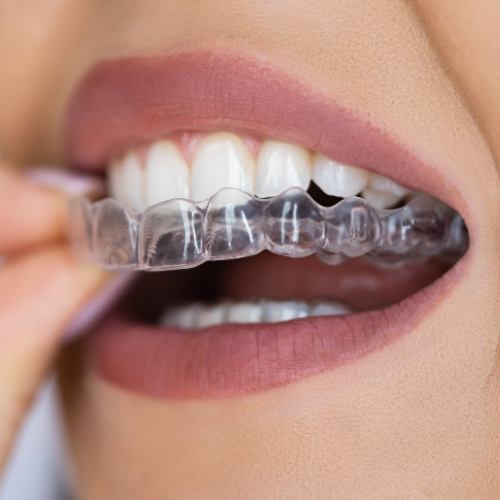
So when we talk about Smileie invisible braces being simple, we’re also talking about how realistic it is to follow. People choose clear aligners because they’re discreet, removable, and easier to integrate with work, travel, social events, and daily routines.
Here’s what a practical clear aligners journey often looks like when it’s going well:
You wake up, remove aligners, brush, eat breakfast. Aligners go back in. Meetings, commuting, calls, no one notices. Lunch happens; you rinse, brush if possible, pop them back in. Dinner is your longer “aligners out” window, and then you’re back to wearing them while watching a show or winding down. That rhythm becomes normal surprisingly fast.
That’s the promise of easy orthodontics when it’s done responsibly: low drama, steady progress, and a routine that doesn’t require your whole life to revolve around your teeth.
“Simple” also means fewer unpleasant surprises
Most people don’t fear aligners, they fear the unknown. Let’s address a few common doubts I hear, and what a well-managed approach usually looks like.
“Will it hurt?”
Expect pressure more than pain, especially in the first day or two of a new aligner. Mild tenderness is common. Sharp pain, gum cuts, or severe headaches aren’t something you should just “push through.” Simple treatment includes clear guidance on what’s normal and what’s not, plus a way to get help if something feels wrong.
“What if the trays don’t fit?”
A good aligner system anticipates this. Fit issues can happen if you’re not wearing them enough, if you changed trays too quickly, or occasionally due to staging challenges. The “simple” part is knowing exactly what to do next instead of guessing, whether that means additional wear time, using chewies more consistently, or getting a clinical check.
“Will I sound weird when I talk?”
A slight lisp can happen early on, particularly with “s” sounds. Most people adapt within days. Reading out loud for 10 minutes a day helps. It’s a small adjustment, and for most patients it’s one of those things that feels big for 48 hours and then disappears.
“Is it actually safe to do remotely?”
Remote monitoring can be safe when the case selection is appropriate and the oversight is real. Not everyone is an aligner candidate, and not every bite should be managed without in-person visits. The right approach is screening, good records, responsible planning, and access to help when needed. That’s the difference between convenience and cutting corners.
A quieter form of confidence: knowing who’s behind the plan
There’s a reason people look for trust signals before starting any orthodontic treatment. Teeth aren’t skincare, you can’t just “stop and reset” without consequences. So patients want to know: Who planned this? What standards are being followed? What happens if I have a problem?
When you’re evaluating Smileie invisible braces, the Why Smileie page is the natural place to understand how the brand thinks about quality, oversight, and the patient experience. And from an educator’s point of view, that matters. A simple experience is only reassuring if it’s backed by clinical discipline.
This is also where expectations become healthy. Aligners are excellent for many spacing and crowding issues, and they can address more complex concerns with proper planning. But they’re still orthodontics. “Simple” doesn’t mean “instant,” and it doesn’t mean “no effort.” It means the steps are clear and support is accessible.
Cost feels simpler when pricing is easy to understand
Cost isn’t just a number. It’s uncertainty. People hesitate because they don’t know what’s included, what changes the price, or what happens if treatment takes longer.
If you’re the kind of person who wants transparency early (many people are), it’s worth looking at the Smileie pricing page when you’re thinking about value. From a patient-education perspective, a simple system is one where you can understand what you’re paying for, treatment planning, aligners, follow-ups, and the support structure, without needing a long phone call.
And yes, it’s fair to compare approaches. Some options lean heavily on frequent in-person visits. Others prioritize convenience. The right choice depends on your bite, your schedule, and your comfort level. But a smoother clear aligners journey usually comes from predictability and honest boundaries, not from the lowest effort path.
What “easy orthodontics” looks like day-to-day
Here’s what I’d call a genuinely simple aligner experience, whether you choose Smileie invisible braces or another well-run provider.
-
You know your wear-time target and you can realistically meet it
-
Your aligners feel snug but not alarming
-
You have a clear switching schedule
-
You understand hygiene basics (clean trays, brush after meals, protect enamel)
-
You have a support channel for questions that actually get answered
-
You’re encouraged to check progress and report changes early
The patients who do best aren’t perfect. They’re consistent. They keep their aligners in, they don’t rush tray changes, and they speak up when something feels off. That’s why the “simple” part matters so much, when the process is easy to follow, people follow it.
And when people follow it, results are usually smoother, safer, and more predictable.
If you’re close to deciding, here’s the most sensible next step
If you’re still gathering information, start with the Assessment page so you can understand whether aligners are likely to suit your teeth and bite. If you’re ready to move forward and want clean records, the Smileie Scan page is the natural next step. And if you like knowing the logic behind a system before committing, the How It Works page and Why Smileie page tend to answer the “okay, but how does this actually work?” questions that people have right before they choose.
That’s what decision-making should feel like: calm, informed, and not rushed.
FAQs
1. How long does Smileie treatment usually take?
Treatment length depends on how much movement your teeth need and how consistently you wear your aligners. Many people notice visible improvements within a few months, while more involved cases can take longer. A personalised timeline is confirmed once your records and treatment plan are reviewed.
2. Is Smileie suitable for crowded teeth and gaps?
Smileie invisible braces can be very effective for common spacing issues and mild to moderate crowding. More complex bite concerns may still be treatable, but they require careful planning. That’s why completing an assessment first is so important.
3. Do I need to visit a clinic often during my clear aligners journey?
Not necessarily. Some people prefer occasional in-person visits, while others are comfortable with remote monitoring when their case allows for it. What matters most is having appropriate clinical oversight and knowing when to check in if something feels off.
4. What happens if I lose or break an aligner?
It’s more common than people think. In most cases, you’ll either temporarily wear the previous aligner or move ahead to the next one, depending on where you are in your schedule. Getting guidance quickly helps prevent unnecessary delays.
5. Will Smileie invisible braces affect eating or drinking?
Aligners are removed for meals, which many people find easier than fixed braces. Water is fine with aligners in, but hot drinks and sugary beverages should be avoided to protect both your aligners and your teeth.
6. Are clear aligners really considered easy orthodontics?
They can be, when expectations are realistic. Clear aligners simplify daily life because they’re removable and discreet, but they still require consistent wear, good hygiene, and a treatment plan that suits your bite. Easy orthodontics works best when structure and support are in place.
7. How do I start with Smileie?
If you’re still exploring options, beginning with an assessment is a sensible first step. If you’re ready to move forward, a Smileie scan helps create accurate records for your plan. Many people also review how the process works before deciding, so they know exactly what to expect.

Latest Blog
-
 Sep 22, 2026
At-Home Impression Kit vs. In-Person 3D Scan: Which Should Encino Residents Choose?
Learn More -

-

-


